
Planting
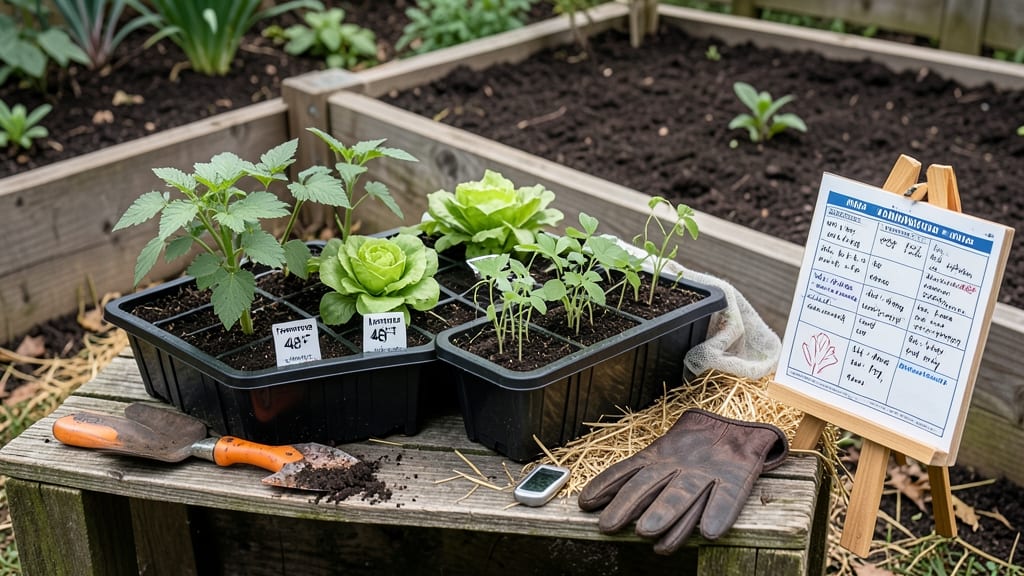
You can plant your garden in Michigan once soil temperatures hit 50°F and the last frost has passed — typically mid-April to mid-May for most of the state 🌱, though the Upper Peninsula runs 2–3 weeks later.
Michigan’s unpredictable spring weather can turn your gardening plans into a guessing game—unless you know the exact soil temperatures and USDA zone rules for planting success.
Whether you’re sowing cool-season crops like lettuce or waiting for warm-season tomatoes, timing is everything. Plant too early, and frost will nip your seedlings. Too late, and you’ll miss peak harvests.
Below, I break down the zone-by-zone planting windows, soil warmth tests, and tricks to extend your growing season—so you can finally stop second-guessing and start planting with confidence.
Michigan planting calendar by USDA zone: when to plant cool vs. warm-season crops
Michigan’s USDA zones 4a through 6a create dramatic differences in planting windows—just 30 miles apart. In zone 4a (Upper Peninsula), your last frost might hit May 20, while zone 6a (southern Michigan) sees frost-free soil by April 20.
These differences mean lettuce planted in April in Detroit could freeze in Marquette if started too early.
To succeed, focus on two critical factors: soil temperature (not air temperature) and crop type. Cool-season crops like spinach and peas thrive when soil hits 40°F, while warm-season crops (tomatoes, peppers) need 60°F+.
Below, I’ll break down planting windows by zone, plus regional examples to help you avoid costly mistakes.
Here’s how Michigan’s top 5 regions compare—note how microclimates (like urban heat islands in Detroit) can shift planting dates by 1–2 weeks:
Notice how zone 6a (Detroit) can start cool-season crops as early as <
How to test soil temperature in Michigan: DIY methods to avoid overplanting too early
Michigan’s spring weather can swing from freezing nights to 70°F days in a single week, making it critical to test soil temperature before planting. Cool-season crops like peas and lettuce thrive at 40–50°F, while warm-season favorites such as tomatoes and peppers need soil above 60°F for optimal growth.
Without accurate readings, you risk stunted plants or wasted seeds.
A soil thermometer is your best tool for precision. Affordable options under $20—like the Thermopro TP11 or Grower’s Solution models—are available at garden centers, Home Depot, or online.
For DIY testing, insert the probe 2–4 inches deep in bare soil (not mulch) on a sunny morning after the dew has dried. Check readings for 3 consecutive days to account for daily fluctuations.
🚨
- Nighttime frost damage: Even if daytime soil hits 60°F, nighttime temps can drop below freezing. Use row covers if planting early.
- Poor nutrient uptake: Warm-season crops like cucumbers planted in 50°F soil struggle to absorb phosphorus, leading to weak vines.
- Seed rot: Cool, damp soil encourages fungal diseases in seeds and seedlings.
Pro Tip: For Michigan’s USDA Zones 4–6, wait until soil consistently stays above 50°F for 10+ days before planting cool crops, and 60°F for warm crops.
Interpreting your readings requires understanding Michigan’s microclimates. A south-facing slope in Detroit (Zone 6a) may warm 2–3 weeks earlier than a shaded garden in Marquette (Zone 4b).
Test multiple spots in your garden—especially low-lying areas where cold air pools. If your soil warms unevenly, consider creating raised beds in cooler zones to speed up warming.
The 3 most common planting mistakes in Michigan gardens involve timing misjudgments:
- Planting peas too late: Peas need cool soil (40–50°F) and should go in 4–6 weeks before last frost. Waiting until May risks bolting or poor yields.
- Starting tomatoes indoors too early: Transplanting seedlings before soil hits 60°F shocks roots. Harden off seedlings gradually and delay outdoor planting until late May.
- Ignoring frost dates: Relying on almanac dates without soil checks leads to 50% of Michigan gardeners overplanting warm crops in April.
For warm-season crops, aim to plant when soil stays above 60°F for 5+ days in a row. Use a soil warming trick: Lay black plastic mulch 1–2 weeks before planting to raise soil temps by 5–10°F. Remove it before planting to avoid overheating roots. In cooler zones like the Upper Peninsula, opt for early-maturing varieties or use row covers to extend the season.
Remember, Michigan’s last frost dates vary widely—from mid-April in Southeast Michigan to early June in the Upper Peninsula. Always pair soil tests with local frost data to fine-tune your planting schedule. With the right tools and patience, you’ll avoid the heartbreak of frost-nipped seedlings and enjoy a bountiful harvest.