Planting
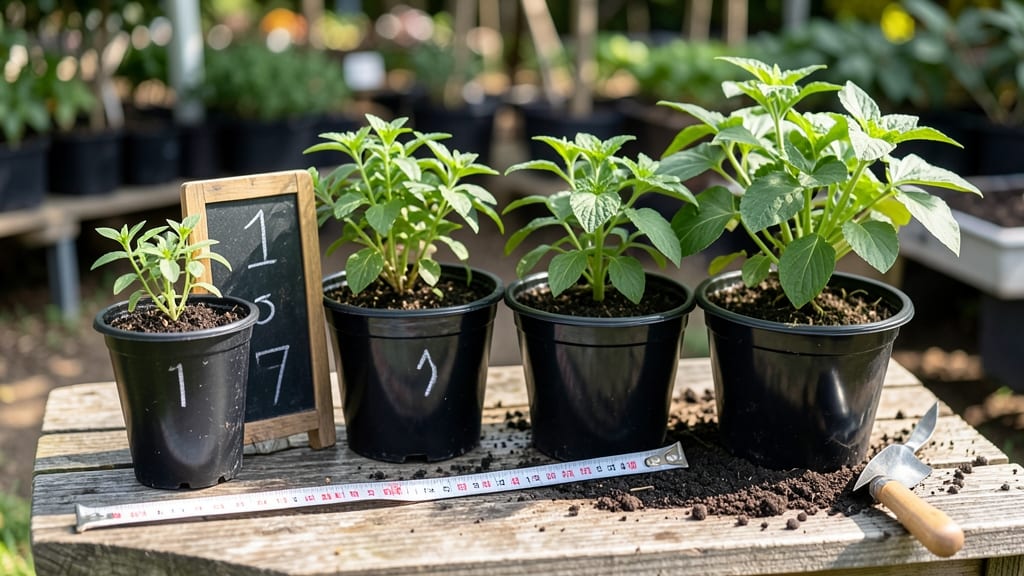
Choosing the right plant gallon sizes ensures proper root development and nutrient uptake: 1-gallon pots work for seedlings, 5-gallon containers accommodate small shrubs, and mature trees need 15+ gallon containers. Always match container size to your plant's root system and growth stage.
Container size directly impacts how well your plants grow by controlling root spread and nutrient access.
A 1-gallon pot gives young seedlings just enough space to establish roots before transplanting, while 5-gallon containers provide the stability needed for shrubs to develop strong root systems without becoming root-bound too quickly. 🌱 For larger plants, the rule of thumb is 1 gallon per 6-12 inches of plant height, but always verify specific needs—some tropical plants need extra drainage space.
Overpotting can lead to moisture retention issues, while underpotting restricts growth, so measuring your plant's mature size is key.
For example, herbs like basil thrive in 1-3 gallon containers but will outgrow them quickly, while citrus trees often need 10+ gallon pots to support their extensive root networks.
If you're repotting, aim for a container that's at least 2 inches larger in diameter than the current one to give roots room to expand without stressing the plant.
💡 In This Article
- How Gallon Sizes Affect Root Development and Plant Health
- Best Gallon Sizes for Popular Plants and Gardening Needs
How gallon sizes affect root development and plant health
Root growth thrives in containers that balance space and oxygen flow. A 1-gallon pot holds about 3.8 liters of soil, enough for seedlings to develop a root ball roughly 4-6 inches in diameter. When roots fill this space, they become root-bound, triggering stress signals that stunt growth.
Larger containers like 5-gallon buckets (about 19 liters) provide 12-18 inches of root expansion room, allowing shrubs to develop deeper, more robust systems that access nutrients more efficiently.
The science here involves three critical factors: oxygen availability, nutrient concentration, and moisture retention. Smaller containers dry out faster, forcing roots to grow densely near the surface where oxygen is plentiful but nutrients deplete quickly.
In contrast, 15+ gallon containers create a larger soil volume where roots can spread horizontally and vertically, accessing deeper moisture and nutrients while maintaining better aeration. 🌿 For example, a 7-gallon pot might support a tomato plant for a season, but its roots will eventually circle the container, reducing yield by up to 30% compared to a 10-gallon alternative.
Overpotting creates its own problems—excess soil retains too much moisture, leading to root rot in just 7-10 days if drainage isn't perfect. Underpotting, meanwhile, forces roots to compete aggressively for limited resources, often resulting in yellowing leaves or stunted stems.
The ideal container size should leave at least 1-2 inches of space between the root ball and container edge, allowing roots to expand without immediate stress. This "growth buffer" is especially critical for container-grown trees, where root systems can double in size within a single growing season.
Drainage holes play a surprising role in gallon size effectiveness. A 3-gallon pot with poor drainage can become waterlogged after just 2-3 waterings, while the same size container with adequate drainage maintains optimal moisture levels.
For plants like succulents or citrus, which need well-draining conditions, a 5-gallon fabric grow bag might be better than a rigid plastic pot—its breathable walls prevent compaction while allowing excess water to evaporate. The key is matching container type to plant needs as rigorously as you match gallon size.
Seasonal adjustments also matter. In summer, container plants transpire 20-30% faster due to heat, requiring larger containers to maintain moisture. A 1-gallon pot might suffice for spring basil but will need upgrading to 3 gallons by midsummer.
Conversely, winter slows growth, so you can often downsize temporarily without stressing the plant. This flexibility is why professional growers use modular container systems—adjusting gallon sizes seasonally can improve yields by 15-25%.
Consider this: A 5-gallon container for a pepper plant might seem generous, but if the plant's mature height is 3 feet, its roots could spread 18-24 inches wide.
That's why the 1-gallon-per-foot-of-height rule works for most vegetables but fails for broadleaf plants like rosemary, which need 2 gallons per foot of spread. Always check the plant's mature dimensions before committing to a container size—it's the difference between a thriving plant and one fighting for survival.