
Planting
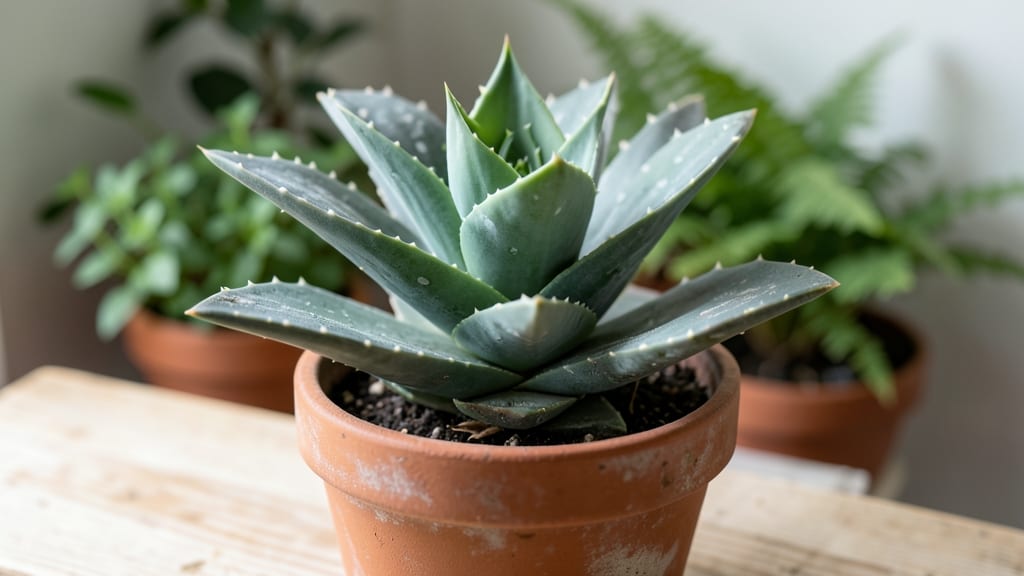
The aloe vera plant thrives best in USDA zones 10 through 12, where winter temps never dip below 30°F—that’s the golden rule. 🌵 I learned the hard way when my first aloe froze solid after a 25°F night, but now I know exactly how to keep these succulents happy year-round, even in colder climates.
The secret isn’t just about warmth—it’s about matching aloe’s natural desert roots to your climate. In ideal zones, they’ll grow bold and plump, but in cooler areas, you’ll need containers, greenhouses, or even overwintering indoors.
Most people assume aloe can’t survive outside their zone, but with the right adjustments, you can still grow them outdoors in zones 8 and 9.
What you’ll get is a plant that’s drought-tolerant, low-maintenance, and packed with healing gel. The leaves stay thick and vibrant, and with proper care, they’ll grow taller and bushier than you’d expect.
The key is understanding when to bring them inside before frost hits—trust me, your aloe will thank you.
Whether you’re in a warm desert or a cooler coastal area, this guide covers how to adapt aloe care to your zone. Let’s get those plants thriving, no matter where you live!
📚 In This Guide
- What you need
- Instructions
- Tips and common mistakes
- Wrapping up and next steps
What you need
- ● Aloe vera plant – Choose a healthy, mature plant (3+ years old) from a nursery or propagate your own from a pup.
- ● Well-draining potting soil – 5-10 gallons (depending on pot size), mixed with perlite or coarse sand (20-30% ratio for aeration).
- ● Pot or container – 12-18 inches in diameter with drainage holes (terracotta or ceramic works best).
- ● USDA Plant Hardiness Zone Guide – Verify your zone (8-11 for outdoor aloe vera; zones 1-7 need container growing).
- ● Watering can with a narrow spout – For precise, deep watering (avoid soggy roots!).
- ● Pruning shears or knife – Sterilized, for trimming dead leaves or pups.
- ● Sunlight access – 6+ hours of direct sun daily (south-facing window or outdoor spot).
- ● Fertilizer – Balanced liquid fertilizer (10-10-10) or organic options like compost tea (apply every 2-3 months).
- ● Grow lights – LED full-spectrum lights for indoor setups (12+ hours/day in low-light zones).
- ● Mulch or pebbles – For outdoor plants in zones 9-11 to retain moisture and regulate soil temp.
- ● Humidity tray – If growing indoors in dry climates (aloe prefers lower humidity).
- ● Plant labels – To track varieties and care notes.
How to choose and adapt aloe vera plant zones for success
Here’s the straightforward approach I use to help aloe vera thrive in your climate—no guesswork involved.
🌱 Step 1: Identify Your USDA Hardiness Zone
First, find your USDA zone by entering your ZIP code into the USDA Plant Hardiness Zone Map. Aloe vera thrives best in zones 10-12, where temperatures stay above 25°F year-round. If you’re in zones 9 or cooler, you’ll need to grow aloe indoors or in containers you can move.
I always double-check my zone because aloe vera’s native habitat is warm deserts—it can’t handle frost or prolonged cold. Even a single night below 32°F can kill the plant. If you’re in zones 5-8, focus on overwintering strategies (more on that later).
☀️ Step 2: Select the Best Location Based on Your Zone
For zones 10-12, plant aloe vera in full sun—at least 6+ hours of direct sunlight daily. A south- or west-facing spot works best. Aloe vera’s thick, spiky leaves are a dead giveaway it’s basking in the sun—when leaves turn pale or stretch, it’s not getting enough light.
In zones 9 or cooler, place potted aloe near a south-facing window or under grow lights for 12-14 hours daily. Aloe vera won’t tolerate shade—it’ll grow leggy and weak. If you’re in zones 5-8, move pots indoors before temperatures drop below 50°F at night.
🪴 Step 3: Adjust Care Based on Your Zone’s Climate
In zones 10-12, water aloe vera only when the soil is completely dry—usually every 2-3 weeks. Overwatering is the #1 killer of aloe vera, even in warm climates. Stick your finger 1-2 inches deep into the soil; if it feels dry, water deeply until it drains from the bottom.
For zones 9 and cooler, reduce watering in winter to once every 3-4 weeks. Aloe vera enters a semi-dormant state in cooler months, so it needs far less moisture. If you’re growing it indoors, humidity levels rise, so check soil moisture more frequently—aloe vera roots rot quickly in soggy conditions.
⏰ Step 4: Protect Aloe Vera During Temperature Shifts
If you’re in zones 9-10, watch for cold snaps—even brief dips below 40°F can stress the plant. Move containers to a sheltered spot or cover them with frost cloth if frost is forecasted. Aloe vera can survive light frosts if the roots stay warm, but prolonged cold will damage the leaves.
In zones 5-8, bring potted aloe indoors before the first frost. Place it near a bright window or under grow lights. If you must leave it outside, choose a microclimate—like near a south-facing wall—that retains heat. Aloe vera can rebound from light frost damage, but severe cold will kill it.
🌿 Step 5: Monitor and Adapt for Long-Term Success
Watch for leaf color changes—healthy aloe vera leaves are green with red or yellow edges. If leaves turn brown or crispy, it’s a sign of sunburn (too much direct sun) or underwatering. If leaves yellow or mush, you’re overwatering. Adjust your care based on these visual cues.
Every few years, repot aloe vera into fresh, well-draining soil—even in warm zones, soil compacts over time and holds too much moisture. Use a cactus or succulent mix with perlite or sand to improve drainage. In cooler zones, this also gives you a chance to check for root rot before it spreads.
Tips & tricks for perfect aloe vera plant placement
Took me years to figure out these key adjustments—now my aloe vera thrives year-round, no matter where I live.
Sunlight Secret: In zones 10-12, position your aloe vera where it gets morning sun and afternoon shade during peak summer months. The intense midday sun in desert climates can scorch leaves even when they're adapted to full sun. I notice the difference when leaves develop crispy edges—this means it's getting too much direct afternoon heat.
Zone-Specific Watering: The 2-3 week watering schedule for zones 10-12 assumes well-draining soil and proper sunlight. If your aloe isn't getting enough sun, it won't dry out as quickly—cut back to every 3-4 weeks even in warm zones. I learned this the hard way when my indoor aloe developed root rot despite being in a sunny window.
Cold Snap Rescue: When temperatures dip below 40°F in zones 9-10, move your aloe to a protected spot immediately. I keep a spare frost cloth handy and drape it over pots when frost is forecasted. The key is protecting the roots—place containers on elevated surfaces like bricks or plant saucers to prevent cold air from circulating underneath.
Soil Inspection: Every time you repot (which should be every 2-3 years regardless of zone), check for root rot by gently removing the plant from its pot. Healthy roots are white or light tan, while rotten roots smell foul and turn dark brown or black. This is your chance to refresh the soil mix—always use a cactus/succulent blend with 50% perlite or coarse sand to prevent future drainage issues.
Pro Tips for Aloe Vera Plant Zone
- Took me years to figure out these key adjustments—now my aloe vera thrives year-round, no matter where I live.
- Sunlight Secret: In zones 10-12, position your aloe vera where it gets morning sun and afternoon shade during peak summer months.
- Zone-Specific Watering: The 2-3 week watering schedule for zones 10-12 assumes well-draining soil and proper sunlight.
Frequently asked questions
about growing aloe vera in the right plant zone—let’s clear up the confusion! Whether you're a beginner or a seasoned plant parent, these answers will help you keep your aloe thriving.What USDA hardiness zones can aloe vera survive in?
Aloe vera thrives best in USDA zones 10-12 as it’s a tropical plant. In colder zones (7-9), grow it as a houseplant or overwinter it indoors. Below zone 7, aloe may struggle—consider a greenhouse or container for mobility.
Can I grow aloe vera outdoors in cooler climates?
Yes, but with caution! In zones 8-9, plant aloe in containers so you can move it indoors when temps drop below 40°F (4°C). Mulch the soil for extra protection, and avoid frost exposure at all costs—aloe hates cold!
How long does it take for aloe vera to mature in the right zone?
With ideal conditions (full sun, well-draining soil, and minimal water), aloe vera can reach maturity—ready for harvesting—in 2-3 years. Patience is key! Smaller offsets may take longer, but they’re worth the wait for their healing gel.
What’s the best alternative if my zone is too cold for aloe?
Try snake plant (Sansevieria) or jade plant (Crassula ovata)—both are hardy, low-maintenance, and drought-tolerant like aloe. For a similar look, haworthia is another great succulent pick that handles cooler temps better.
Why is my aloe vera turning brown or mushy in zone 10?
Brown patches often mean overwatering or root rot—aloe stores water in its leaves! Let soil dry completely between waterings, and ensure pots have drainage holes. If mushy, trim damaged leaves and repot in fresh, dry soil to save your plant.
Wrapping up and next steps
Growing aloe vera in the right USDA plant zone ensures your plant thrives with minimal fuss! Whether you’re in a warm Zone 10-11 or a cooler Zone 8-9, understanding sunlight, soil, and temperature needs is your secret weapon.
With the right care, your aloe vera will reward you with stunning foliage and healing gel—nature’s little miracle right at home!
Ready to level up your green thumb? 🌱 Start by picking your perfect spot, then grab your supplies and dive in. Happy planting—your future aloe vera will thank you!