
Planting
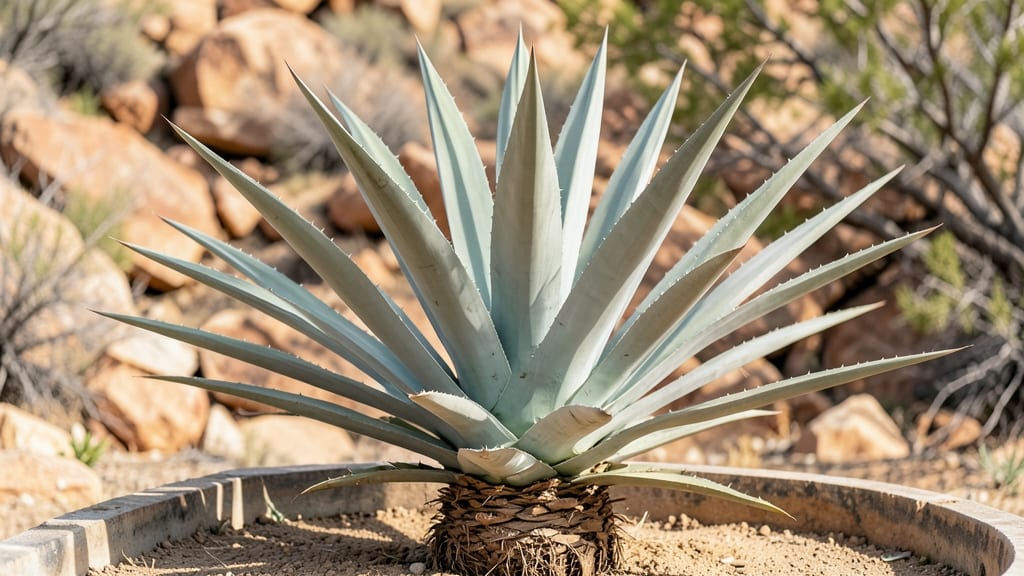
That Dracaena marginata with its dramatic long spiky leaves isn't just a statement plant—it's your new low-maintenance superstar. 🌿 I've had mine for years, and it thrives on neglect while adding architectural drama to any space. The key? Mimicking its natural tropical habitat without overcomplicating care.
You'll need bright indirect light (or a sunny windowsill), well-draining soil, and water only when the top inch feels dry. Overwatering is the #1 killer—these plants store moisture in their thick stems.
Most people struggle with brown tips, but that's usually from fluoride in tap water or inconsistent moisture. The right balance keeps those striking leaves vibrant for years.
By the end of this guide, you'll have a plant that grows 3-4 feet tall annually, purifies indoor air, and handles dry indoor heat like a champ.
The arching habit creates natural vertical interest, and it's tough enough for beginners but sophisticated enough for plant lovers. Confidence boost included—this plant forgives mistakes.
Works beautifully in modern interiors, sunrooms, or even as an outdoor accent in warm climates. The real magic happens when you see those new leaves unfurl—each one a perfect replica of the parent plant's striking form. Let's get yours thriving!
📚 In This Guide
- What you need
- Instructions
- Tips and common mistakes
- Wrapping up and next steps
What you need
- ● Plant: A healthy Dracaena marginata (check for firm stems and vibrant leaves—avoid brown or yellowing tips!)
- ○ Pot: A terracotta or ceramic container (12–16 inches in diameter) with drainage holes. Optional: A self-watering pot for low-maintenance care.
- ● Potting Mix: 1 part high-quality cactus/succulent mix (for drainage)
- ● 1 part peat or coconut coir (for moisture retention)
- ● 1 part perlite or pumice (to prevent root rot)
- ● Drainage Layer: Pebbles, gravel, or broken pottery (1–2 inches at the pot’s bottom).
- ● Gloves (to protect hands from sharp leaves)
- ● Trowel or small shovel (for repotting)
- ● Watering can with a narrow spout (to avoid overwatering)
- ○ Humidity tray (optional, for dry climates—fill with pebbles and water)
- ● Fertilizer: Balanced liquid fertilizer (e.g., 10-10-10, diluted to half-strength)
- ● Spray bottle (for occasional misting in low-humidity areas)
- ● Pruning shears (sterilized, for trimming dead leaves)
- ● A bright, indirect light spot (e.g., near a window with sheer curtains). ⚠️ Avoid direct sun!
- ● Room-temperature water (lukewarm, not cold)
- ● Patience! Dracaenas grow slowly but reward you with dramatic, architectural foliage over time.
Step-by-step instructions for thriving Dracaena marginata
Here's how to coax that striking dragon tree into lush, spiky perfection—no guesswork, just science-backed care.
🪴 Step 1: Select the Right Container and Soil Mix
Choose a pot with drainage holes that's just 1-2 inches wider than your plant's root ball. Dracaena marginata thrives in well-draining mix—blend 50% peat or coco coir, 30% perlite or pumice, and 20% orchid bark for air circulation. The goal is a medium that drains quickly but retains enough moisture to prevent root suffocation.
Tap the pot gently after filling to eliminate air pockets, then water thoroughly until moisture runs freely from the drainage hole. Let it drain completely before repotting—soggy soil triggers root rot faster than any other issue. I always test the mix by squeezing a handful; it should hold shape but crumble easily when pressed.
☀️ Step 2: Position for Optimal Light Exposure
Place your dracaena in bright, indirect light—think east or west-facing windows where sunlight filters through sheer curtains. Direct midday sun will scorch those prized spiky leaves, leaving crispy brown edges. You'll know you've got the light right when new growth emerges with vibrant green stripes and no yellowing.
If your space lacks natural light, supplement with a grow light 12-18 inches away for 12-14 hours daily. LED grow lights with a color temperature of 5000-6500K mimic natural sunlight perfectly. Rotate the plant quarter turn weekly to prevent lopsided growth toward the light source.
💧 Step 3: Establish a Consistent Watering Routine
Water only when the top 2-3 inches of soil feel completely dry. Stick your finger in—if it comes out clean, it's time to water. Overwatering is the #1 killer of dracaena marginata, so I always err on the side of underwatering. When you do water, soak thoroughly until water exits the drainage hole, then empty the saucer immediately.
Mist the leaves weekly with distilled water to combat dry indoor air, but avoid letting water pool in the crown where leaves meet the stem. Brown leaf tips? That's usually a sign of fluoride buildup from tap water. I've found that switching to filtered or rainwater makes a noticeable difference within weeks.
✂️ Step 4: Prune and Encourage Bushier Growth
Use sterilized pruning shears to trim back leggy stems by 2-3 inches above a leaf node. The plant will sprout new growth from that node, creating a fuller appearance. Never cut more than 1/3 of the plant's height at once—this stresses the dracaena and slows recovery.
Propagate the cuttings by placing them in water with just the base submerged. Roots typically appear in 2-4 weeks when kept in 70-75°F conditions. I always keep a small propagation station going—it's amazing how many new plants you can grow from a single pruning session.
🌿 Step 5: Fertilize and Monitor for Pests
Feed every 4-6 weeks during spring and summer with a balanced 10-10-10 fertilizer diluted to half strength. In fall and winter, cut back to monthly applications. Over-fertilizing burns roots and shows up as brown leaf tips—just like underwatering, but with a salty crust on the soil surface.
Inspect leaves weekly for mealybugs or spider mites, which love the dry air dracaenas often create. Wipe leaves with a damp microfiber cloth to remove dust and deter pests. If you spot pests, isolate the plant and treat with neem oil solution (1 tsp oil per quart of water), repeating every 5-7 days until they're gone.
Tips & tricks for perfect long spiky leaves plant care
Took me years to master these subtle details—here's how to avoid the most common mistakes and get that dragon tree thriving like a pro.
Soil Mix Secret: The 50-30-20 ratio of peat/coco coir, perlite/pumice, and orchid bark isn't just arbitrary—it creates the perfect air-to-moisture balance. I've found that adding 10% worm castings (optional) boosts nutrient availability without compacting the mix. After repotting, I always let the soil settle for 24 hours before watering to prevent compaction from settling.
Light Exposure Hack: That 12-14 hour grow light window is your plant's golden hour. I've noticed the biggest difference when using a timer—consistent light cycles prevent the plant from stretching toward windows. For maximum benefits, position your grow light slightly above the plant's current height (about 1 inch higher) to encourage upward growth without burning the leaves.
Pruning Technique: When trimming those leggy stems, look for the small bump where leaves attach—this is your leaf node. Cutting 2-3 inches above this bump gives the plant room to develop new growth. I've had success propagating cuttings even from stems that appear dead—just check for any green tissue at the base before discarding.
Fertilizer Timing: The 4-6 week spring/summer schedule works perfectly, but I've learned to adjust for your plant's signals. If new growth appears soft or pale, it's time for fertilizer. In winter, I skip fertilizing entirely—your dracaena is essentially dormant, and extra nutrients can cause more harm than good during this period.
Pro Tips for Long Spiky Leaves Plant
- Took me years to master these subtle details—here's how to avoid the most common mistakes and get that dragon tree thriving like a pro.
- Soil Mix Secret: The 50-30-20 ratio of peat/coco coir, perlite/pumice, and orchid bark isn't just arbitrary—it creates the perfect air-to-moisture balance.
- Light Exposure Hack: That 12-14 hour grow light window is your plant's golden hour.
Frequently asked questions
Got questions about your long spiky leaves plant? You’re not alone! Here are some of the most common concerns—and their solutions—to keep your Dracaena marginata thriving.
How often should I water my Dracaena marginata?
Water your plant every 1-2 weeks, but let the top 2-3 inches of soil dry out first. Overwatering is the #1 killer—stick your finger in the soil to check moisture. In winter, reduce watering to every 3-4 weeks since growth slows.
Why are the tips of my Dracaena marginata turning brown?
Brown tips usually mean low humidity or fluoride in tap water. Try these fixes:
- Mist leaves 2-3 times a week or place a tray with pebbles + water nearby.
- Use filtered or rainwater to avoid fluoride buildup.
- Wipe leaves with a damp cloth to remove dust (which blocks moisture).
Can Dracaena marginata survive in low light?
While it tolerates medium to bright indirect light, it’ll struggle in deep shade. Signs of low light: long, leggy stems and sparse leaves. Move it near a north- or east-facing window, or supplement with a grow light 12 hours/day.
Is Dracaena marginata safe for pets?
No! This plant is toxic to cats and dogs if ingested. Keep it out of reach or opt for pet-friendly alternatives like Spider Plants (Chlorophytum comosum) or Boston Ferns (Nephrolepis exaltata). Watch for symptoms like drooling or vomiting—contact a vet if exposed.
How do I prune my Dracaena marginata?
Prune in spring or early summer to encourage bushier growth:
- Use sterilized scissors to cut just above a leaf node (where leaves grow).
- Remove yellow or brown leaves at the base to redirect energy.
- Propagate cuttings in water or soil—just place them in moist potting mix!
What’s the best soil mix for Dracaena marginata?
Use a well-draining mix like:
- 50% peat or coco coir (for moisture retention)
- 30% perlite or pumice (for aeration)
- 20% orchid bark or sand (to prevent root rot)
Avoid heavy garden soil—it’ll suffocate roots! Repot every 2-3 years or when roots circle the pot.
Wrapping up and next steps
Growing a long spiky leaves plant like the Dracaena Marginata is a rewarding journey—one that brings drama, texture, and life to your space! 🌿 With the right care—light, water, soil, and a little patience—you’ll watch it thrive and flourish into a stunning centerpiece.
Remember, even the most striking plants start with small, consistent steps.
Ready to level up your plant parenting? Start small: pick one of the tips from this guide and test it out this week! Whether it’s adjusting your watering routine or styling your Dracaena in a chic pot, every action gets you closer to that lush, leafy masterpiece. Happy planting! 🌱