
Planting
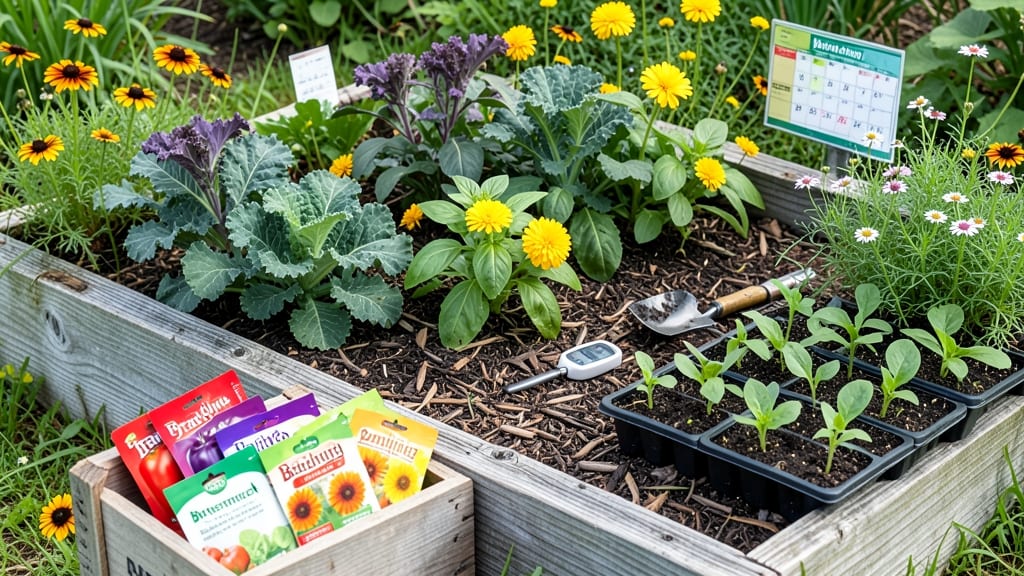
Planting your garden in West Virginia depends on when the last frost hits your zone — typically between March and May, but timing varies by elevation and valley.
Miss the window, and your tender seedlings could get fried by a late frost. Get it right, though, and you’ll enjoy a harvest that stretches from summer through fall.
The key is knowing your local frost dates and adjusting for microclimates like those in the Appalachians or along the Ohio River.
In this guide, I’ll break down the best planting times for vegetables, flowers, and perennials across West Virginia’s USDA Zones 5b–7a, plus how to tweak your schedule for highland vs. lowland areas.
You’ll learn exactly when to start seeds indoors, when to transplant warm-season crops, and how to protect young plants from unexpected cold snaps — so you can grow a thriving garden without the guesswork.
West Virginia planting zones and last frost dates by region
West Virginia spans USDA Hardiness Zones 5b through 7a, creating a unique gardening challenge with its mountainous elevations and river valley warmth. The last spring frost can vary by 3-4 weeks between highland and lowland areas, while the first fall frost arrives earlier in the mountains.
Understanding these regional differences ensures your garden thrives year-round.
In the northern panhandle (Zone 5b), gardeners often wait until mid-May for warm-season crops, while southern West Virginia (Zone 7a) may see last frosts as early as March 15.
The Appalachian highlands can experience late frosts into May, even while valleys below enjoy earlier planting windows. These variations mean local frost records are your best guide.
To navigate these differences, I recommend checking local weather stations or Almanac frost date maps for your specific county. The average first fall frost ranges from mid-September in the north to late October in the south, with mountain areas often seeing frost 2-3 weeks earlier than river valleys.
Here’s how these frost dates and zones translate into your planting schedule:
| Region | USDA Zone | Avg. Last Spring Frost | Avg. First Fall Frost | Warm-Season Planting Window | Cold-Hardy Planting Window |
|---|---|---|---|---|---|
| Northern Panhandle (e.g., Wheeling) | 5b | May 10–20 | September 20–October 5 | May 25–June 15 | March 15–April 30 |
| Central WV (e.g., Charleston) | 6a | April 15–May 5 | October 5–15 | May 1–June 10 | March 1–April 15 |
| Southern WV (e.g., Huntington) | td>6b–7aMarch 15–April 1 | October 15–31 | April 15–May 15 | February 15–March 15 | |
| Appalachian Highlands (e.g., Beckley) | 5b–6a | May 1–15 | September 10–20 | May 20–June 10 | March 10–April 15 |
For warm-season crops like tomatoes and peppers, wait until after your last frost date and when soil temperatures reach 60°F. In Zone 5b, this often means late May or early June, while Zone 7a gardeners can start as early as mid-April.
Use a soil thermometer to confirm readiness—cold soil delays germination.
Cold-hardy vegetables like spinach, peas, and lettuce can often be planted 4-6 weeks before your last frost. In northern WV, this means mid-March, while southern regions may start as early as late February. Succession planting these cool-season crops every 2-3 weeks ensures a continuous harvest.
Fall planting is equally critical. Broccoli, kale, and carrots thrive when sown 6-8 weeks before your first frost. In Zone 5b, this translates to late July, while Zone 7a gardeners can plant until early September.
Extend your harvest by using row covers or cold frames to protect tender crops.
Remember, microclimates matter. A south-facing slope warms up faster than a north-facing valley, and urban areas may experience 2-3°F warmer temperatures than rural zones. Adjust your planting dates accordingly—observe your garden’s unique conditions for the best results.
By aligning your planting schedule with local frost dates and USDA zones, you’ll avoid frost damage and maximize your garden’s potential. Start with these regional guidelines, then fine-tune based on your specific location and microclimate for a thriving WV garden.
Best planting times for common vegetables in West Virginia
Timing your garden in West Virginia means balancing warm-season and cool-season crops with the state's unpredictable frosts. Mountain regions like Pocahontas County (Zone 5b) have later last frosts than Charleston (Zone 7a), so adjust your schedule accordingly.
I’ve planted tomatoes too early in the past—only to watch them wilt when temperatures dipped below 50°F! The key is knowing which crops thrive in cooler springs and which need warm soil.
West Virginia’s average last frost dates range from mid-April in southern zones to late May in higher elevations. Meanwhile, first fall frosts hit as early as mid-September in the mountains but linger until early November in valleys.
This variability means succession planting is your best friend for a continuous harvest. Let’s break down the ideal windows for your most popular vegetables and herbs.
- 🌱 Cold-Hardy Crops (Plant Early)
Lettuce, Spinach, Peas, Kale: Start seeds 4-6 weeks before last frost (March-April in valleys, April-May in mountains). Use row covers for late spring protection. - 🌿 Warm-Season Starts (Indoor)
Tomatoes, Peppers, Eggplants: Begin seeds 6-8 weeks before last frost (February-March). Transplant outdoors after soil reaches 60°F (May-June). - ☀️ Direct-Sow Warm Crops
Beans, Corn, Cucumbers: Plant 2 weeks after last frost (late April-early May in valleys, May-June in mountains). These thrive in 70°F+ soil. - 🌱 Succession Planting
Sow lettuce, radishes, and beans every 2-3 weeks from spring to early summer for continuous harvests. Herbs like basil and cilantro benefit from staggered plantings too. - ✂️ Fall Planting for Cool Crops
Replant kale, spinach, and carrots in late July-August for fall harvests. Aim to harvest before first frost (September-November, depending on elevation).
For tomatoes, my go-to variety 'Celebrity' needs warm soil, so I wait until mid-May in the valleys and early June in the mountains.
I’ve learned to use black plastic mulch to warm the soil faster—this trick adds 1-2 weeks to your planting window. Peppers, being even more sensitive, often get started indoors in March and hardened off before transplanting in late May.
If you’re growing beans, opt for bush varieties like 'Blue Lake' for earlier harvests. They tolerate cooler soil better than pole beans, which need consistent warmth. For lettuce, I plant 'Romaine' in early spring and again in late summer for a fall crop.
The key is avoiding bolting—lettuce goes to seed when it gets too hot, so provide partial shade in July.
Herbs like basil and cilantro are my succession planting favorites. I sow basil every 2 weeks from May until July, ensuring a fresh supply all summer. Cilantro, however, bolts quickly in heat, so I plant it in early spring and fall only.
For continuous harvests, I also interplant radishes with slower-growing crops like carrots—the radishes mature first, leaving room for the carrots.
Pro tip: Keep a gardening journal to track your local frost dates and adjust next year. I’ve found that microclimates in WV can shift planting windows by 2-3 weeks even within the same county.
For example, a south-facing slope warms up faster than a north-facing valley. Use these timelines as a guide, but stay flexible—your garden will thank you! 🌱