
Planting
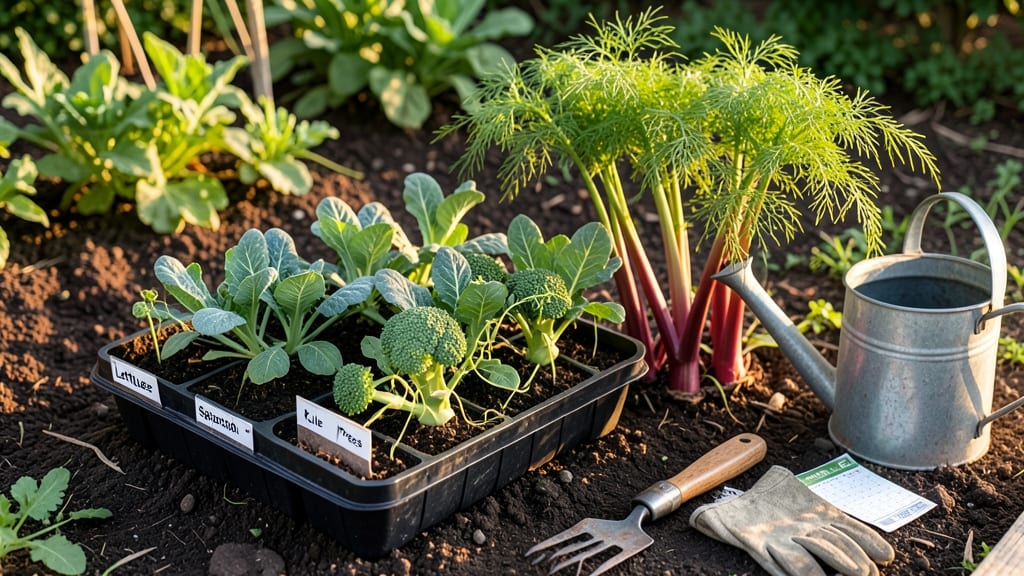
Planting your garden in Upstate NY at the right time means the difference between a bountiful harvest and a wasted season—and those frost dates shift every year.
Upstate New York’s unpredictable frost dates can turn a gardener’s excitement into frustration—unless you know exactly when to plant each crop for a thriving harvest. With Zone 5b-6b’s shifting climate, timing is everything.
Most gardeners here learn the hard way: planting too early risks losing seedlings to a late frost, while waiting too long means a shorter harvest before winter sets in. The key is matching your General Garden Plants 🌱 to the 150 frost-free days Upstate NY typically offers.
In this guide, I’ll break down the exact planting windows for spring and fall, which crops to start indoors, and how to adjust for microclimates—so you can avoid the common mistakes that leave gardens half-empty by summer.
Upstate NY frost dates & safe planting windows by month
Upstate New York’s USDA Zones 5b-6a create a delicate balance for gardeners. The average last spring frost typically arrives between April 15 and May 15, while the first fall frost hits around October 1-15.
These dates vary by microclimate, with cooler mountain regions like the Adirondacks often seeing frost 2-3 weeks later than the Finger Lakes area.
Understanding these frost-free windows is critical for cool-season crops like spinach and warm-season crops like tomatoes. Planting too early risks frost damage, while waiting too long shortens the growing season. Let’s break down month-by-month planting windows tailored to Upstate NY’s climate, ensuring your garden thrives despite the challenges.
🌱
| Month | Last Spring Frost | First Fall Frost | Cool-Season Crops | Warm-Season Crops |
|---|---|---|---|---|
| March | Risk of frost | N/A | Spinach, peas, kale (under row covers) | Start seeds indoors |
| April | Mid-April (varies) | N/A | Lettuce, radishes, carrots | Transplant seedlings (tomatoes, peppers) after last frost |
| May | Late April | N/A | Broccoli, cabbage, beets | Direct sow beans, cucumbers, squash |
| June | N/A | N/A | Succession plant lettuce | Plant corn, melons, late tomatoes |
| July | N/A | N/A | N/A | Succession plant beans, cucumbers |
| August | N/A | Late September | Kale, spinach, arugula (for fall harvest) | N/A |
| September | N/A | Early October | Radishes, turnips, garlic (for spring harvest) | N/A |
| October | N/A | Mid-October | Cover crops (clover, rye) | N/A |
The last spring frost is the most critical date for warm-season crops. In Upstate NY, this typically falls between April 15 and May 15, but always verify with your local Cooperative Extension office or use a frost-free date calculator.
For example, tomatoes and peppers should only be planted after this date, while cold-hardy crops like kale can handle light frosts.
For fall planting, aim to sow cool-season crops 6-8 weeks before the first frost (around September 1-15). This ensures they mature before winter sets in. Succession planting is key—sow lettuce or radishes every 2 weeks from April to August for continuous harvests.
🌿
Microclimates play a huge role in Upstate NY. Areas like the Finger Lakes (Zone 6a) often have 2-3 weeks longer growing seasons than the Adirondacks (Zone 5b). Use row covers or cold frames to extend spring and fall seasons in cooler areas. For instance, spinach can be planted in early March in the Finger Lakes but may need protection in the Adirondacks until April.
Soil temperature matters just as much as air temperature. Use a soil thermometer to confirm 50°F for cool-season crops and 60°F for warm-season crops before planting. This simple tool can save your garden from frost damage or poor germination.
🌡️
Pro tip: Keep a gardening journal to track your local frost dates. Over time, you’ll notice patterns that differ from the averages. For example, my garden in Syracuse (Zone 5b) had a late frost in May 2022, delaying tomato planting by 3 weeks.
Adjusting for these variations ensures your garden’s success year after year.
Best crops to plant in Upstate NY by season (with exact timing)
Upstate New York's short growing season demands precision when it comes to planting. Cool-season crops like kale and spinach thrive in early spring and fall, while warm-season favorites such as tomatoes and peppers need to wait until after the last frost.
The key is understanding your local frost dates—typically mid-April for spring and mid-October for fall—and adjusting for microclimates. For example, the Finger Lakes region may have 2-3 weeks earlier frost dates than the Adirondacks, so timing adjustments are crucial.
To maximize your harvest, plan for succession planting—sowing seeds every 2-3 weeks for crops like lettuce and beans. This ensures a continuous supply while working within Upstate NY's 150-day frost-free window.
Start with hardy crops in March, transition to warm-season plants in May, and finish with cool-season crops in August for fall harvests. Let’s break down the best crops to plant by season, including exact timing and spacing tips.
- 🌱 March-April: Plant potatoes (early varieties) and onions in cold frames. Direct-sow peas and spinach as soon as soil is workable.
- 🌿 Late April-May: Transplant tomatoes, peppers, and eggplants after last frost (typically May 10-20). Direct-sow beans, cucumbers, and squash when soil reaches 60°F.
- ☀️ June-July: Succession plant lettuce, kale, and radishes for fall harvests. Start broccoli and cauliflower indoors in June for late-summer transplants.
- 🌻 August-September: Plant garlic for next year’s harvest and turnips for fall/winter greens. Direct-sow carrots and beets for late harvests.
- ✂️ October: Harvest remaining kale, spinach, and brussels sprouts. Plant cover crops like clover or rye to protect soil.
For spring planting, focus on cool-hardy crops like potatoes and peas. Potatoes should be planted in early March under frost protection or by mid-April when soil warms to 45°F.
Peas thrive in cool temperatures and can be sown as early as March 15 in protected beds. Spinach and lettuce also do well in early spring, but avoid planting them too early—they’ll bolt in the heat.
When warm-season crops like tomatoes and peppers hit the garden in late May, use row covers or black plastic mulch to warm the soil faster.
Tomatoes need 6-8 hours of sun and should be staked or caged early to support their growth. Succession planting is key here: Sow beans every 2 weeks from June to July for a steady harvest.
For fall crops, start kale and broccoli indoors in late July to transplant by early August.
Don’t overlook fall planting—it’s a gardener’s secret to extending the season. Garlic planted in October will reward you with next year’s harvest, while turnips and radishes mature quickly in cooler weather. Even carrots can be direct-sown in August for a late harvest.
Just remember: soil prep is everything. Amend beds with compost in fall to improve drainage and fertility for next year’s plants.
Pro tip: Use frost cloth to protect tender plants like basil and cucumbers if late frosts threaten. And always check your local frost dates—they can vary by 1-2 weeks across Upstate NY.
With this timing guide, you’ll turn Upstate NY’s short season into a bountiful harvest from spring to fall. 🌱