
Plants
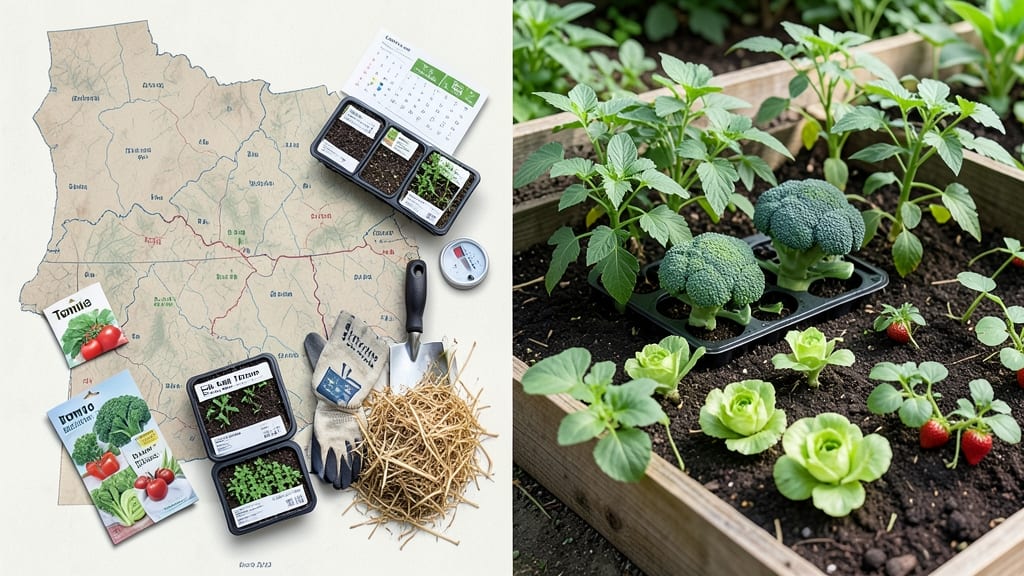
To plant in Kentucky, time your crops by last frost dates: cool-season vegetables like lettuce and peas should go in early spring (March–April), while warm-season plants like tomatoes and peppers need to wait until after mid-May. Verify your exact zone (5b–7a) to avoid frost damage.
Kentucky's diverse climate—ranging from USDA zones 5b to 7a—means frost timing varies dramatically across the state. 🌱 In northern regions like Louisville, gardeners often face late April to early May last frost dates, while southern areas near Bowling Green may see frost-free conditions by mid-April.
Microclimates (like sheltered valleys or exposed ridges) can shift planting windows by 1-2 weeks, so always check local records or use a frost calendar from your county extension office.
The key is balancing soil warmth with air temperature—cool-season crops thrive in 40-60°F soil, while warm-season plants need at least 60°F consistently.
For practical timing, I recommend starting cool-season crops 4-6 weeks before the average last frost date to ensure strong seedlings. Warm-season plants, however, need to wait until soil temperatures reach 60°F—typically 2-3 weeks after the last frost.
In Kentucky, this often aligns with late May for most regions. A helpful trick? Plant radishes as an early indicator—they germinate quickly and signal when soil is workable.
💡 In This Article
- Kentucky Frost Zones and Their Impact on Planting Times
- Best Planting Calendar for Kentucky Gardens by Season
Kentucky frost zones and their impact on planting times
Kentucky’s USDA zones—ranging from 5b in the north to 7a in the south—create a 10-14 day difference in last frost dates.
For example, northern counties like Hopkinsville (zone 6b) typically see their last frost around April 15, while southern areas like Paducah (zone 7a) often reach frost-free conditions by March 25.
This variation is critical because seeds like lettuce (40-50°F soil) or peas (45-75°F) need precise timing to germinate properly. 🌱
The science behind this revolves around soil temperature, which lags behind air temperature. Cool-season crops like broccoli or kale require 40-60°F soil to thrive, while warm-season plants like cucumbers or beans need 60-70°F to avoid stunted growth.
Kentucky’s 5b-7a zones mean northern gardeners must wait longer for soil to warm, often delaying warm-season planting until late May, whereas southern growers can start 2-3 weeks earlier. A soil thermometer is your best tool here—plant only when conditions match your crop’s needs.
Microclimates add another layer of complexity. Valleys, for instance, often experience 2-5°F warmer nights than ridges due to cold air settling, allowing earlier planting of frost-sensitive crops. Conversely, exposed hilltops may see frost 1-2 weeks later.
In Louisville (zone 6b), gardeners might plant tomatoes on May 10 in a sheltered valley but wait until May 24 on a windy ridge. Observing local patterns—like watching cherry blossoms (which bloom around last frost)—can help fine-tune your schedule.
Here’s how to apply this knowledge: Use the USDA Plant Hardiness Zone Map to confirm your zone, then check your county’s historical frost data (available from the UK Agricultural Weather Center).
For example, Lexington (zone 6a) averages its last frost on April 10, but a late frost in 2021 delayed planting by 3 weeks. Planning for these exceptions ensures your garden’s success. 💫
Pro tip: Start cool-season crops 4-6 weeks before the average last frost (e.g., spinach on March 1 in zone 7a) to give seedlings time to mature. For warm-season plants, wait until soil reaches 60°F—a simple $10 soil thermometer prevents costly mistakes.
In Kentucky’s transitional climate, this often means late May for tomatoes or peppers, but early April for hardy greens like arugula.
Remember: Frost isn’t just about temperature—it’s about duration. A 28°F night can kill tender seedlings, while a 32°F frost might only damage leaves. Use frost cloth for sensitive plants like basil or eggplant, which need 50°F minimum temps.
In zone 5b, this might mean waiting until June 1 for peppers, while zone 7a gardeners can plant by April 20. 🌿