Planting
Planting your fall garden in North Carolina between late July and mid-September sets you up for a harvest before the first frost—if you time it right.
Timing your fall garden in North Carolina can mean the difference between a bountiful harvest and a frost-damaged disappointment—especially with NC’s diverse climate zones and unpredictable weather patterns.
Miss the window, and you’ll either bake your seedlings in summer heat or watch them bolt before frost arrives. Get it right, though, and you’ll enjoy crisp greens, sweet radishes, and hearty greens straight from your backyard.
Below, I break down the exact planting dates by zone, the best crops for your region, and how to adjust for microclimates so you’re harvesting well into winter.
NC fall planting dates by hardiness Zone: exact weeks to start for maximum yield
North Carolina's diverse hardiness zones (6b, 7a, 7b, 8a) create unique planting windows for your fall garden. Getting the timing right ensures your cool-season crops mature before winter frost.
In Zone 6b, for example, you have about 8-10 weeks of growing time after your average first frost date (mid-October). Meanwhile, Zone 8a gardeners enjoy a longer harvest window until late November or even December.
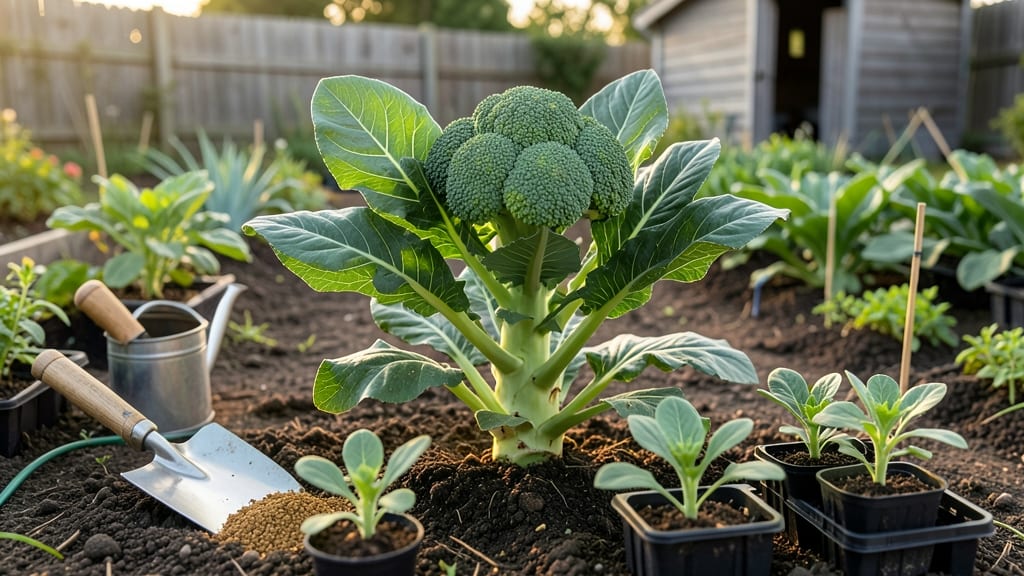
To maximize your fall harvest, start with heat-tolerant varieties like broccoli and kale, which handle late-summer heat better than delicate spinach or lettuce. Plant these cool-season crops 4-6 weeks before your first frost date to ensure they mature before winter sets in.
For example, in Zone 7a, that means planting by mid-August for a late October harvest.
Here’s a quick reference for your fall planting schedule by zone, including ideal planting dates and harvest windows:
For succession planting, sow fast-growing crops like radishes or green onions every 2-3 weeks after your initial planting. This keeps your harvest continuous and ensures you’re not overwhelmed with produce all at once.
For example, in Zone 7b, you can plant radishes in late August, again in early September, and even a final batch in mid-September for a staggered harvest.
If you’re growing broccoli or cauliflower, start seeds indoors 6-8 weeks before your fall planting date to give them a head start. These cool-season crops need time to establish strong roots before cooler temperatures arrive.
In Zone 6b, that means sowing seeds indoors by late June and transplanting outdoors by early August.
Don’t forget to use row covers or low tunnels to extend your harvest season into late fall. These simple tools can add 2-4 weeks to your growing season, allowing you to harvest spinach and lettuce well into November, even in Zone 7a.
Just be sure to remove covers during the day to prevent overheating and check for pests regularly.
Monitor your local frost dates using resources like the NOAA Frost/Freeze Forecast or your cooperative extension service. Adjust your planting schedule if early or late frosts are predicted.
For instance, if your Zone 8a area experiences an unexpected early frost in late October, shift your last planting date for spinach to early September instead of mid-September.
For heat-tolerant varieties, consider Southern Exposure Seed Exchange or Johnny’s Selected Seeds catalogs, which offer heat-resistant lettuce and broccoli varieties perfect for NC’s late-summer heat. These varieties can handle 90°F+ temperatures better than traditional cool-season crops, giving you a longer window to plant and harvest.
Plan your <
How to adjust planting dates for NC’s microclimates and soil conditions
North Carolina’s diverse geography—from the coastal plains to the Appalachian Mountains—creates microclimates that can shift planting windows by weeks. Urban heat islands in Raleigh or Charlotte may push back frost dates, while high-altitude areas like Asheville experience earlier freezes.
Adjusting your schedule based on these factors ensures your carrots, beets, and lettuce thrive.
Soil type also plays a critical role. Sandy soils warm faster in spring but dry out quicker, while clay soils retain moisture longer but can become waterlogged. Testing your soil’s drainage and organic matter content helps fine-tune your planting strategy.
For example, radishes in sandy soil may need weekly watering, whereas kale in clay can handle more drought once established.
⚠️ Warning: Frost Dates Aren’t Set in Stone
NOAA’s frost forecasts are averages, not guarantees. Check the 7-day outlook 2 weeks before your target planting date. In Zone 7b, your last planting window for spinach might shift from September 15 to October 1 if warm air lingers. Use a frost watch app to track real-time shifts.
For urban gardens, container plants like bush beans or green onions can be planted 2–3 weeks later than ground crops, thanks to heat absorbed by pavement.
If your yard sits in a low-lying area, cold air pools there—plant frost-sensitive crops like basil on higher ground or use row covers to extend the season.
High-altitude gardens (above 2,000 feet) often have 10–14 days fewer growing days than coastal areas. In the Blue Ridge Mountains, start broccoli by August 1 for a fall harvest, while coastal gardeners can wait until September 15.
Use heat-tolerant varieties like ‘De Cicco’ radishes to push back planting dates.
Adjust watering based on soil type: Sandy soil needs daily checks after planting, while clay soil may only require watering every 3–4 days. Mulch with straw or shredded leaves to stabilize soil temperature—critical for root crops like carrots and beets, which struggle in fluctuating temps.
Pro tip: Plant fast-maturing crops (like radishes or turnips) in succession every 2 weeks to stagger harvests. This minimizes frost risk and maximizes your garden’s productivity. Use a planting calendar tailored to your county for precision timing.