
Planting
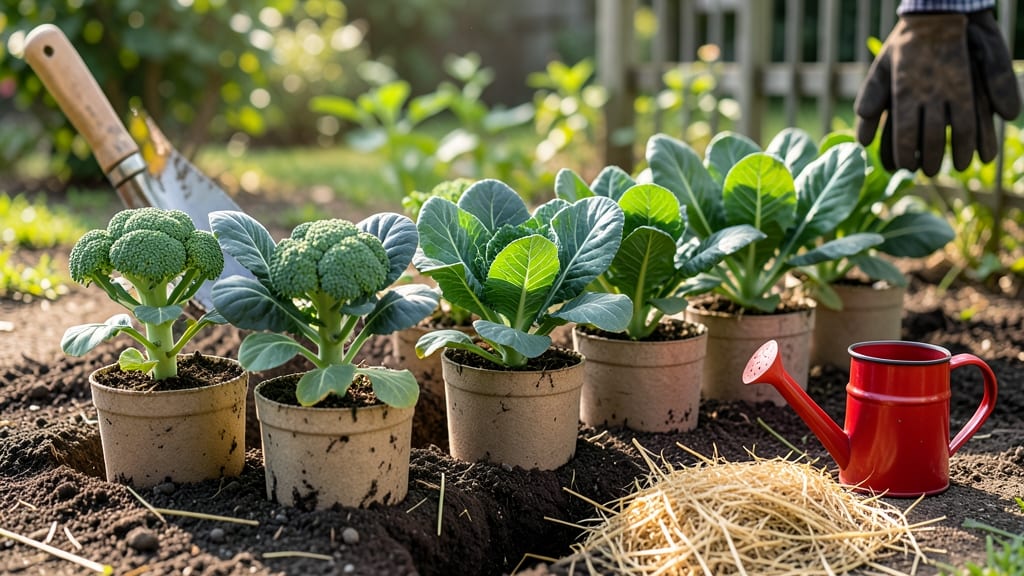
Planting a fall garden in Mississippi means timing your crops to thrive before the first frost—typically 8-12 weeks before average freeze dates, depending on your zone.
Mississippi’s long, hot summers can make fall gardening a game-changer—but planting too early or late risks stunted growth or frost damage. Timing is everything, and knowing the exact weeks before frost for your zone can mean the difference between a bountiful harvest and wasted effort.
In Mississippi’s USDA Zones 7a-8b, most gardeners aim for mid-August to early September starts, but regional variations matter. For example, Biloxi’s coastal warmth buys an extra week compared to Tupelo’s inland chill.
This guide breaks down the best planting windows, top cold-hardy crops, and pro tips to extend your harvest—so you can enjoy fresh greens and root veggies well into winter.
Mississippi fall planting calendar: exact weeks before frost by Zone
Fall gardening in Mississippi rewards patience with crisp harvests of broccoli, kale, and radishes—but timing is critical. Mississippi spans USDA zones 7a-8b, where first frost dates vary dramatically. Planting 4-8 weeks before frost ensures strong root systems before winter chill sets in.
For example, Jackson (Zone 8a) averages a first frost around November 15, while Tupelo (Zone 7b) sees frost by October 30.
Your planting window starts 8 weeks before frost for fast-growing crops like radishes and spinach, while slower growers like broccoli and cabbage need 6-7 weeks to mature. Miss timing, and you risk stunted plants or frost damage.
Use this calendar to align your planting with Mississippi’s cool-season growing window, which typically runs from mid-August to early October.
For Zone 7b areas like Tupelo, start planting late August to avoid heat stress. Fast-growing radishes and arugula can handle cooler temps better than broccoli, which needs 60+ days to mature.
In Zone 8a/8b (Jackson, Biloxi), you have flexibility until mid-October for slower crops like Brussels sprouts, which thrive in cool weather.
Mississippi’s humidity and heat can linger into September, so choose shade-tolerant varieties like Swiss chard or kale for late starts. Always check seed packets for days-to-maturity—this dictates your planting deadline.
For example, a 30-day radish needs 30 days of growth before frost, so plant it 30 days before your average frost date.
Soil temperature matters too. Aim for 60-70°F for cool-season crops. Test your soil’s pH (6.0-7.0 ideal) and amend with compost before planting. In Zone 7b, where frost arrives earlier, focus on fast-maturing varieties or use row covers to extend harvests by 2-3 weeks.
In Zone 8a/8b, you can push limits with cold frames or low tunnels.
Mississippi’s fall rainfall patterns also play a role. September often brings heavy rains, which can delay planting. If soil is waterlogged, wait for it to dry to 6 inches deep before sowing seeds. Drainage is critical—poorly drained soil leads to rotten roots in cool-season crops.
Raised beds help in clay-heavy areas like northern Mississippi.
Pro tip: Succession plant every 2 weeks for continuous harvests. For example, sow radishes on September 1, September 15, and October 1 to enjoy fresh greens all fall.
This works especially well in Zone 8a/8b, where the growing season stretches longer. In Zone 7b, stick to 1-2 succession plantings of faster crops.
Don’t forget pest pressure increases as temps drop. Flea beetles and cabbage worms target fall crops. Use row covers or neem oil
Best fall vegetables for Mississippi’s climate and how to extend their growing season
Mississippi’s mild fall climate lets you grow cold-hardy vegetables long after summer’s heat fades. The key is selecting cool-season crops that thrive in 50-70°F temperatures and using strategies to protect them from early frosts.
I’ve grown these same varieties in Zone 7b-8a, and they consistently deliver harvests well into November—or even December—with the right care.
Your fall garden should prioritize leafy greens, brassicas, and root vegetables that handle cooler temps better than tomatoes or peppers. These plants not only survive light frosts but often improve in flavor after a frost!
For example, kale and spinach become sweeter when exposed to 28-32°F nights. The trick is starting them at the right time and using season-extending tools like row covers or cold frames.
- Plant broccoli, cabbage, and Brussels sprouts 6-8 weeks before first frost (typically mid-August to early September in Mississippi). These cool-season brassicas need consistent moisture but hate soggy soil.
- Sow spinach, lettuce, and radishes 4-6 weeks before frost (late August to early October). These fast growers tolerate light frosts and can be successively planted every 2 weeks for continuous harvests.
- Use floating row covers to protect carrots, beets, and turnips from 25°F temps. These covers raise soil temps by 5-8°F and shield crops from wind while allowing sunlight.
- Extend harvests with cold frames for kale, collards, and Swiss chard. A simple Plexiglas box can push harvests 4-6 weeks later by trapping heat during the day and insulating at night.
- Avoid planting heat-lovers like peppers or eggplants after mid-August. They’ll bolt or rot in 80°F+ soil, wasting your effort and space.
- Mulch heavily with straw or leaves to insulate soil and retain moisture. This prevents temperature fluctuations that stress young plants.
- Harvest leafy greens before hard frosts (25°F or below). Cut-and-come-again varieties like baby spinach regrow quickly if you leave 2-3 inches of stem.
One of my favorite fall garden hacks is succession planting every 2 weeks. For example, I’ll sow radishes in late August, then again in early September and October.
The first batch matures by mid-September, while the last batch harvests just before frost. This ensures a steady supply without overwhelming your space.
Don’t overlook root vegetables like carrots and beets—they store well in cool, dark conditions. After harvesting, I’ll cure them in a shady spot for 24 hours, then store them in sand-filled crates in my garage.
This keeps them crisp for 2-3 months after the ground freezes. For leafy greens, I’ll harvest outer leaves first to encourage regrowth, extending their productivity.
If you’re new to fall gardening in Mississippi, start small with 5-6 cold-hardy varieties and focus on soil prep. Amend your beds with compost and aged manure before planting—cool soil drains poorly, and waterlogged roots lead to rot.
I’ll also add a balanced fertilizer (10-10-10) at planting time to give seedlings a strong start.
With the right plant selection, timing, and protection, your Mississippi fall garden can be just as productive as spring. My top 3 performers every year are kale, collards, and radishes—they handle our mild winters like champs and reward me with harvests well into December.
Now grab your seeds, mark your calendar, and get planting!