Planting
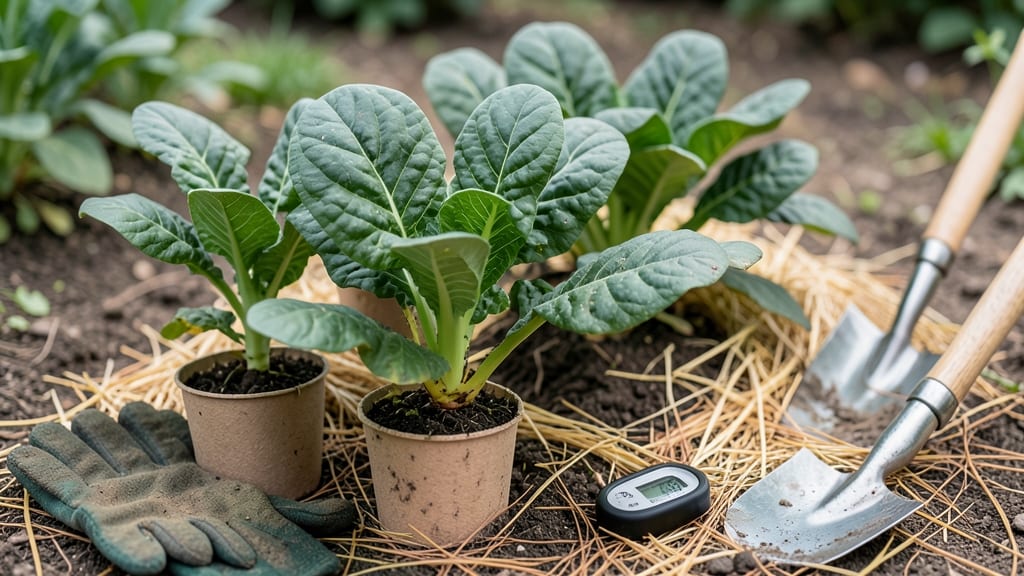
Planting a fall garden in Louisiana means working with the state’s heat and humidity until the first frost—typically between mid-November and early December, depending on your region.
If you’ve ever watched your summer crops bolt or struggle under lingering summer heat, you know timing is everything. But with the right schedule, Louisiana’s long growing season can still deliver a bountiful harvest of heat-tolerant greens, root vegetables, and more before winter sets in.
This guide breaks down the exact windows for planting fall crops, from soil prep to hurricane-proofing your garden, so you can beat the climate and enjoy fresh produce well into the cooler months.
Discover which vegetables thrive in Louisiana’s fall conditions, how to extend their season, and the key mistakes to avoid—so you can grow a garden that outlasts the heat.
Louisiana’s fall planting calendar: exact dates for heat-tolerant crops before frost
Louisiana’s fall frost dates vary dramatically from the humid North to the warmer Gulf Coast, but with the right timing, you can grow a thriving garden before the first freeze.
Unlike northern states, Louisiana’s fall planting window starts earlier—often as soon as late July or early August—for heat-tolerant crops that need time to mature before the average first frost (typically mid-November in North Louisiana and December in South Louisiana).
Key to success is understanding your USDA Hardiness Zone (7a-9b) and adjusting for soil temperature thresholds. Most fall crops thrive when soil temps drop below 85°F but stay above 50°F.
In this guide, I’ll break down the exact planting dates for Louisiana’s North, Central, and South regions, plus the best heat-tolerant crops to prioritize for maximum yield.
📅 Regional Frost Averages (First Frost):
- North Louisiana (Zone 7b-8a): November 15–20
- Central Louisiana (Zone 8a-8b): November 25–December 5
- South Louisiana (Zone 9a-9b): December 15–January 10
Now, let’s dive into the planting calendar with a summary table for quick reference, followed by detailed crop-specific advice for each region.
For North Louisiana gardeners, the window is tight—start leafy greens like kale by August 1 to ensure they mature before the November frost. Root vegetables (carrots, radishes) can handle slightly warmer soil, so plant them as early as mid-July for a late fall harvest.
Use row covers to extend the season by 2–3 weeks.
In Central Louisiana, where frosts arrive later, you have flexibility to plant brassicas like broccoli until mid-September. These crops thrive in 65–75°F soil and benefit from mulching to regulate temperature swings. Succession planting every 2 weeks ensures a continuous harvest.
Gardeners in South Louisiana can push boundaries with heat-tolerant crops like Malabar spinach and sweet potatoes, which can be planted as late as October. These varieties handle warmer soil temps and even light frosts. Pair them with collards, which become sweeter after a light frost.
Pro tip: Always test soil temperature with a soil thermometer before planting. Aim for 60–80°F for most fall crops. If soil is too hot (above 85°F
Top 5 heat-tolerant fall vegetables for Louisiana gardens (and how to extend their season)
Louisiana’s fall gardens thrive when you plant heat-tolerant vegetables that can handle the lingering summer heat while still maturing before the first frost. The key is selecting varieties that perform well in 85-90°F temperatures and using smart techniques to delay frost damage.
These five crops are my top picks for extending your harvest well into November.
Each of these vegetables has unique spacing and care requirements, but they all share one thing: resilience in hot, humid conditions.
From Malabar spinach that loves the heat to sweet potatoes that thrive in Louisiana’s soil, these crops will reward you with a bountiful fall harvest if planted at the right time and given proper care.
- 1. Malabar Spinach - Plant August 15-September 15 for harvests through November 15. Space 12-18 inches apart in full sun to partial shade. Thrives in 90°F+ and tolerates poor soil better than traditional spinach.
- 2. Okra - Sow June 1-July 15 for fall harvests. Plant 18-24 inches apart in full sun. Use row covers after October 15 to extend harvest until December 1 in South Louisiana.
- 3. Sweet Potatoes - Plant slips May 1-June 15 for fall harvests. Space 12-18 inches apart in full sun. Mound soil around plants to prevent sweet potato scabs and use black plastic mulch to retain heat.
- 4. Collards - Transplant August 1-September 15 for harvests through December 15. Space 12-18 inches apart in full sun. Apply 3 inches of straw mulch to protect from early frosts and improve flavor.
- 5. Black-Eyed Peas - Plant August 15-September 30 for fall harvests. Space 3-4 inches apart in full sun. Succession plant every 2 weeks for continuous harvests until November 30.
To extend the season for these heat-tolerant crops, I recommend using row covers after October 15 to protect tender leaves from light frosts.
For sweet potatoes and okra, apply a thick layer of straw mulch to insulate roots and maintain soil warmth. Succession planting every 2-3 weeks ensures a steady supply of fresh produce.
One of my favorite tricks is planting collards alongside black-eyed peas—the peas fix nitrogen in the soil, giving the collards a nutrient boost. This companion planting strategy works especially well in Louisiana’s clay-heavy soils, where nutrients can leach away quickly during heavy rains.
Remember, Louisiana’s first frost dates vary by region: North Louisiana (around November 15), Central Louisiana (November 25), and South Louisiana (December 10).
Adjust your planting schedule accordingly, and don’t hesitate to use frost cloth for an extra layer of protection when temperatures dip below 35°F.
With these heat-tolerant crops and a few simple techniques, you can enjoy a prolonged fall harvest that keeps your kitchen stocked with fresh, homegrown vegetables long after summer fades. Happy gardening! 🌱🍠