
Planting
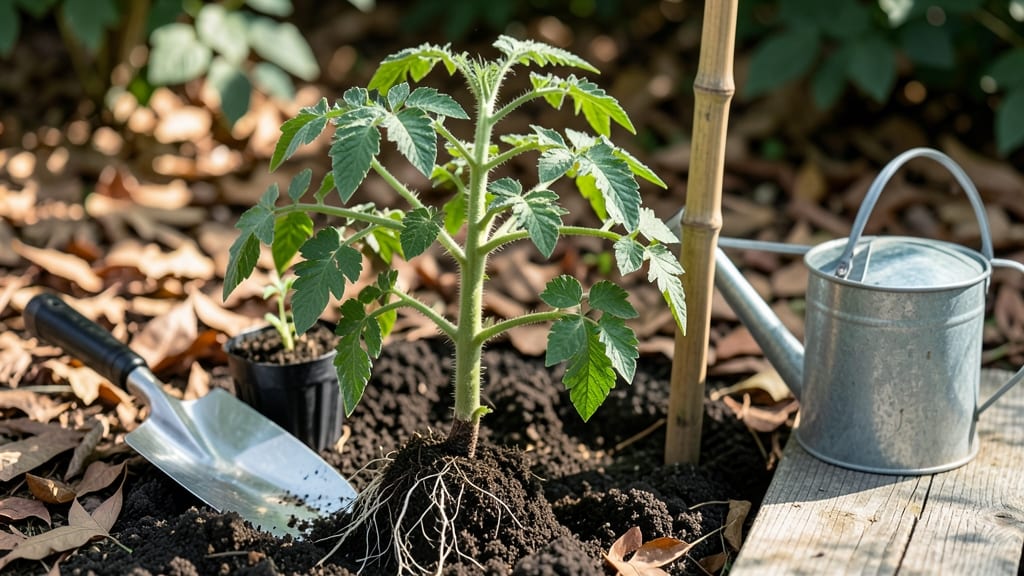
Your transplanted tomatoes wilting doesn’t mean they’re dead—just shocked. 🌱 I’ve nursed back dozens of droopy plants with these same steps, and the key is acting fast before stress becomes permanent.
The first 48 hours after transplanting are critical, where even minor issues like overwatering or root disturbance can trigger wilting that looks like failure but isn’t.
Most wilting stems from one of three problems: root damage during transplanting, sudden environmental changes, or improper watering. I’ve seen gardeners drown plants with good intentions, or let them dry out too quickly after moving them.
The fix starts with checking the soil—it should feel like a damp sponge, not bone-dry or soggy. If roots are exposed or tangled, they’ll struggle to absorb moisture, making wilting worse.
Here’s the game-changer: a mix of gentle watering, temporary shade, and root support. Give plants a deep drink right after transplanting, then keep soil consistently moist (not soggy) for the first week.
A light shade cloth during hot afternoons prevents stress, and a staked tomato cage keeps floppy plants upright while roots recover. Within 3-5 days, you’ll see leaves perk up as the plant adjusts.
Prevent future wilting by hardening off seedlings for 7-10 days before transplanting, using containers with drainage, and choosing cloudy days for moving plants.
If wilting persists after a week—especially with yellowing leaves or spots—it could signal disease or pests, and that’s when you’ll need to dig deeper (literally) to check roots or call in reinforcements like neem oil.
Root of the Problem
Understanding why your transplanted tomatoes are wilting starts with recognizing the delicate balance between their roots, environment, and care. When you move tomato plants from a nursery pot or seedling tray to the ground, their roots undergo significant stress.
This stress can trigger wilting if not managed properly. Below are the most common causes, explained in clear scientific terms, along with actionable insights to help you diagnose the issue.
When tomato seedlings are transplanted, their roots are often pruned or disturbed during the process. Even if handled gently, the disruption can cause transplant shock, a physiological response where the plant temporarily loses its ability to absorb water and nutrients efficiently.
- Why it happens:
- Roots are sensitive to physical trauma, and cutting or bending them during transplanting can damage root hairs and mycorrhizal fungi (beneficial soil microbes that help with nutrient absorption).
- The plant’s vascular system (xylem and phloem) may struggle to transport water and sugars, leading to wilting.
- If the roots were root-bound (circled tightly around the pot), they may struggle to expand into new soil, limiting water uptake.
- Actionable fix:
- Water thoroughly before transplanting to reduce root disturbance.
- Avoid over-pruning roots—gently loosen them if root-bound but avoid aggressive trimming.
- Use a root stimulator (like mycorrhizal fungi or a diluted seaweed extract) to encourage faster recovery.
Tomatoes have shallow root systems, especially when young, making them highly sensitive to water stress. Wilting often occurs when the soil dries out too quickly after transplanting, or when water isn’t distributed evenly around the roots.
- Why it happens: - Underwatering: If the soil isn’t consistently moist (but not soggy), the plant can’t absorb enough water to maintain turgor pressure in its cells.
This causes leaves to droop. - Overwatering (less obvious): While too little water is obvious, too much water can also suffocate roots by displacing oxygen, leading to root rot and wilting. - Uneven moisture: If water pools in one area but leaves other roots dry, the plant may wilt despite being in "wet" soil.
- Actionable fix:
- Water deeply at the base of the plant (1–2 inches of soil should stay moist).
- Mulch heavily (2–3 inches of straw or shredded leaves) to retain moisture and regulate soil temperature.
- Water in the morning to allow foliage to dry, reducing fungal risks.
Transplanted tomatoes are vulnerable to temperature fluctuations, wind, and sunlight exposure, especially if moved during extreme weather or without acclimation.
- Why it happens:
- Heat stress: Sudden exposure to intense sunlight (especially after being in a shaded nursery) can cause sunburn on leaves, leading to wilting and scorch marks.
- Cold shock: Transplanting into cold soil (below 50°F/10°C) slows root growth and nutrient uptake, causing wilting.
- Wind damage: Strong winds dry out leaves faster than roots can replace moisture, leading to wilting.
- Poor air circulation: Crowded plants or dense foliage trap humidity, promoting fungal diseases (like early blight) that weaken the plant.
- Actionable fix:
- Acclimate seedlings gradually (harden off) before transplanting by exposing them to outdoor conditions for 1–2 weeks.
- Transplant on a cloudy day or provide shade cloth for the first few days.
- Space plants properly (18–24 inches apart for determinate varieties, 24–36 inches for indeterminate) to improve airflow.
- Use windbreaks (like burlap screens or tall plants) if your garden is exposed.
The quality and composition of your soil play a critical role in a tomato’s ability to recover after transplanting. Poor soil structure, pH imbalances, or compacted soil can strangle roots and prevent water/nutrient uptake.
- Why it happens: - Compacted soil: Heavy or clay-based soil doesn’t allow roots to expand, limiting water and oxygen access. - Wrong pH: Tomatoes thrive in slightly acidic soil (pH 6.0–6.8).
Soil that’s too alkaline (pH >7.0) locks out essential nutrients like phosphorus and iron, causing deficiency symptoms (including wilting). - Lack of organic matter: Sandy or nutrient-poor soil drains too quickly, leaving roots dehydrated. - Salt buildup: Over-fertilization or poor-quality water can create a salinized soil layer, inhibiting root function.
- Actionable fix:
- Test your soil (use a home kit or send a sample to a local extension office).
- Amend soil with compost (2–3 inches mixed into the top 6–12 inches) to improve structure and fertility.
- Add sulfur if soil is too alkaline or lime if it’s too acidic (follow package instructions).
- Avoid fresh manure near roots—it can burn them; compost it first.
Wilting can also be a symptom of hidden pests or pathogens that attack the roots or vascular system of your tomato plants.
- Why it happens:
- Root pests: Grubs, cutworms, or nematodes chew on roots, reducing the plant’s ability to absorb water.
- Fungal infections: Diseases like Fusarium wilt or Verticillium wilt clog the plant’s xylem vessels, preventing water transport.
- Bacterial infections: Bacterial wilt (spread by infected seeds or sap-sucking insects) causes sudden wilting, often starting in one branch.
- Actionable fix:
- Inspect roots when transplanting—look for chewed edges, discoloration, or slimy residues.
- Use row covers early in the season to block pests like flea beetles.
- Rotate crops annually to prevent soil-borne diseases.
- Apply neem oil or beneficial nematodes as a preventive measure against pests.
Pro Tip 💡: If your tomatoes wilt afternoon, it’s often due to water stress—check soil moisture. If wilting happens morning to evening, it could be root damage or disease—inspect carefully!
Revive Your Tomatoes Fast
When your transplanted tomatoes start wilting, quick action can save them! Below are targeted solutions for the most common causes—plus prevention tips to keep your plants thriving. Follow these steps to diagnose and fix the issue before it’s too late.
Signs: Yellowing leaves, soggy soil, mushrooms or mold at the base.
How to Fix It: 🔥 Stop watering immediately—let the soil dry out for 1–2 days. 🍳 Improve drainage by mixing in perlite or coarse sand (1 part to 3 parts soil). 👨🍳 Repot if needed—if roots are rotting, transfer to fresh, well-draining potting mix. ⏰ Water deeply but less often—tomatoes prefer dry soil between waterings.
Prevention Tips: ✔ Use pots with drainage holes. ✔ Water at the base (not overhead) to avoid fungal growth. ✔ Test soil moisture with your finger—water only when the top 1–2 inches are dry.
Signs: Scorched leaves, wilting in hot afternoons, crispy edges.
How to Fix It: 🌡️ Provide afternoon shade with a light cloth or move pots to partial shade (6–8 hours of morning sun is ideal). 💡 Mulch heavily to keep roots cool (use straw or shredded leaves). 🎯 Water deeply in the morning to reduce evaporation stress.
Prevention Tips: ✔ Choose heat-tolerant varieties like ‘Solar Fire’ or ‘Heatmaster’. ✔ Avoid transplanting during peak summer heat—opt for early spring or fall. ✔ Use reflective mulch (like white plastic) to deflect excess heat.
Signs: Sudden wilting within days of transplanting, stunted growth.
How to Fix It: 🔪 Trim damaged roots (if visible) when repotting—use clean scissors. 🥘 Fertilize lightly with a balanced liquid fertilizer (half-strength) to boost recovery. 🌱 Water thoroughly after transplanting to help roots re-establish.
Prevention Tips: ✔ Harden off seedlings before transplanting (gradually expose to outdoor conditions for 7–10 days). ✔ Transplant in the early morning or evening to reduce stress. ✔ Bury stems deeper than the original pot to encourage new root growth.
Signs: Dark spots on leaves, wilting despite proper watering, stunted stems.
How to Fix It: 💡 Remove infected leaves immediately and destroy them (don’t compost). 🔥 Apply copper fungicide or neem oil spray every 7–10 days for prevention. 🌱 Improve airflow by pruning crowded foliage and spacing plants 18–24 inches apart.
Prevention Tips: ✔ Rotate crops—don’t plant tomatoes in the same spot yearly. ✔ Sterilize pots and tools with a 10% bleach solution between uses. ✔ Water at the base, avoiding wet leaves.
Pro Tip: 🌿 If wilting persists after 3–5 days, the plant may be beyond saving—focus on preventing the issue in future transplants!
Frequently asked questions about transplanted tomatoes wilting
Why do my tomato plants wilt immediately after transplanting?
This is classic transplant shock—your plants are reacting to root disturbance and environmental changes. The roots get damaged when you remove them from containers, and the sudden exposure to sunlight, wind, or temperature shifts stresses the plant. Water thoroughly after transplanting and provide temporary shade to help them recover within 3-5 days.
Is it better to water before or after transplanting tomatoes?
Always water before transplanting to reduce root damage, then water immediately after to help settle the soil around roots. Give them a deep drink (about 1 inch of water) to encourage root expansion. Avoid overhead watering—stick to the base to prevent fungal issues.
How can I tell if wilting is from underwatering or overwatering?
Check the soil: if it's bone-dry 2 inches deep, you're underwatering. If it's soggy and smells musty, you're overwatering. For wilting plants, press your finger into the soil—it should feel like a damp sponge. Adjust your watering schedule accordingly (morning watering helps prevent fungal diseases).
Should I prune my tomato plants if they're wilting?
Only prune if you see yellow leaves or signs of disease. Otherwise, leave them alone—they're conserving energy to recover. If you must prune, remove only the lowest leaves (within 6 inches of the soil) to improve airflow and prevent soil-borne diseases.
When should I give up on a wilting tomato plant?
If wilting persists after 5-7 days of proper care (consistent moisture, shade, and no signs of improvement), the plant may be beyond saving. Look for other signs like yellowing leaves, spots, or mushy stems—these indicate disease or irreversible damage. Focus on preventing this with future transplants!