
Planting
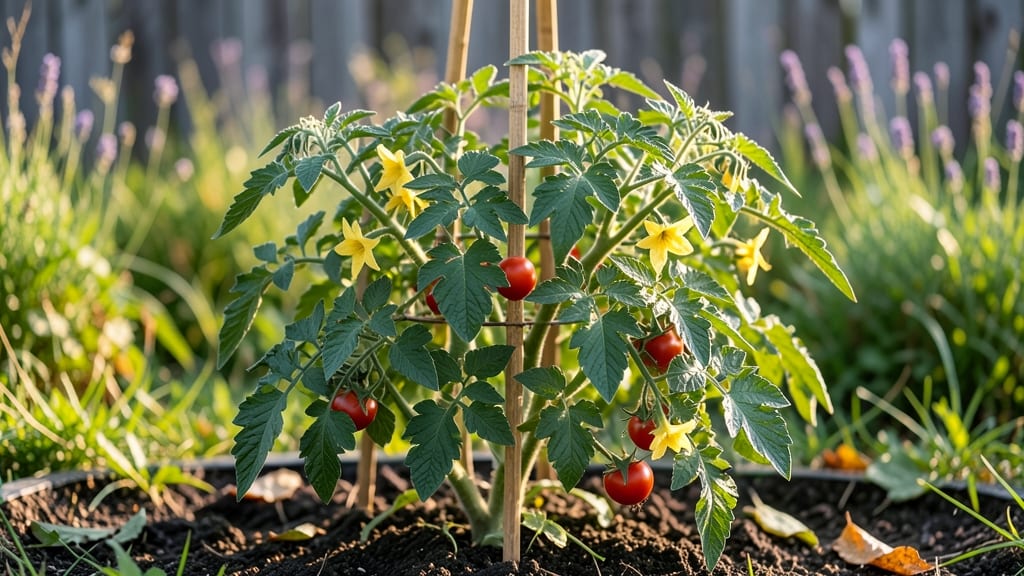
The Topsy-Turvy tomato plant thrives where space is tight but flavor isn't. 🌱 This compact, bushy variety packs a punch with nonstop fruit in just 2 feet of height—no sprawling vines or staking nightmares.
I grew mine last summer in a 5-gallon container, and it outproduced my sprawling heirlooms by mid-July. The secret lies in its determinate growth habit: it sets fruit along the stem, then stops growing taller. Plant it in full sun (6+ hours daily) and well-draining soil, then water consistently—never soggy.
Prune only to remove diseased leaves, and you'll avoid the common pitfall of over-pruning these prolific producers. By late summer, you'll be harvesting cherry-sized tomatoes every 2-3 days. The flavor? Sweet with just enough acidity to keep your mouth watering.
I froze extras for winter salsa, but fresh is always better. Works in containers, raised beds, or in-ground plots. Perfect for balconies, small yards, or gardeners who hate dealing with tall stakes. Let's get growing!
📚 In This Guide
- What you need
- Instructions
- Tips and common mistakes
- Wrapping up and next steps
What you need
- ● Topsy Turmeric tomato seeds or seedlings: 1–3 plants (check seed packets for spacing recommendations).
- ● Containers or garden bed: Containers: 5-gallon pots or larger (at least 12" deep) with drainage holes. Quantity: 1 per plant.
- ● Garden bed: Full sun (6+ hours/day), well-draining soil. Spacing: 18–24" apart.
- ● High-quality potting mix: 1 bag (look for moisture-retentive, organic blends like Miracle-Gro or FoxFarm).
- ● Balanced fertilizer: 10-10-10 or 5-10-10 (follow package instructions for dosage).
- ○ Tomato cages or stakes: 4–6 ft tall (1 per plant). Optional: Use burlap strips to secure vines to stakes.
- ● Watering can or hose with a gentle spray nozzle: For consistent moisture without disturbing roots.
- ● Pruning shears: Sharp, clean pair (sterilize with rubbing alcohol between cuts).
- ○ Mulch (optional but recommended): Straw or shredded leaves to retain moisture and suppress weeds.
- ● Grow lights: LED or fluorescent (if growing indoors or in low-light conditions).
- ● Soil moisture meter: To monitor watering needs without over/under-watering.
- ● Epsom salt: 1 tbsp per plant (every 2–3 weeks) for magnesium boost.
- ● Compost or worm castings: For nutrient-rich soil amendments.
- ● Row covers or shade cloth: To protect from pests or harsh sun (especially in hot climates).
Step-by-step instructions for growing a Topsy Turmeric tomato plant
This compact wonder delivers a summer-long harvest without the sprawl of traditional vines.
🌱 Step 1: Select the Right Location and Prepare the Soil
Topsy Turmeric thrives in full sun—at least 6-8 hours daily—so choose a south-facing spot or use grow lights if container-growing. The soil must drain freely; amending with compost improves fertility and structure. I dig in 2-3 inches of compost mixed with the top 6 inches of native soil to create a nutrient-rich zone.
Test the pH—ideal range is 6.0-6.8. If your soil runs acidic, work in dolomitic lime; for alkaline soil, add elemental sulfur. Topsy Turmeric's compact roots need loose soil to spread, so avoid heavy clay without amendment. A simple scratch test reveals texture: if soil clumps tightly when dry, it needs more organic matter.
🪴 Step 2: Plant at the Correct Depth and Spacing
Set the plant so its topmost set of leaves sits just above soil level—burying too deep causes rot, while leaving stems exposed weakens the plant. Space plants 18-24 inches apart in rows 24-30 inches apart; their bushy growth habit prevents crowding. I plant mine in a grid pattern for even sunlight exposure and airflow.
Water deeply after planting to settle the soil and eliminate air pockets. The first watering should penetrate 6-8 inches deep—stick a dowel into the soil until resistance stops; that's your moisture depth. Mulch with 2-3 inches of straw or shredded leaves to retain moisture and suppress weeds, but keep mulch 2 inches away from stems to prevent rot.
☀️ Step 3: Provide Consistent Water and Fertility
Topsy Turmeric's compact growth means it needs 1-1.5 inches of water weekly, delivered at the base—not overhead—to prevent disease. I water in the morning so foliage dries quickly. Let the top 1-2 inches of soil dry between waterings; wilting leaves signal thirst, but soggy soil invites blight.
Feed every 2-3 weeks with a balanced 10-10-10 fertilizer or tomato-specific formula, following label rates. Too much nitrogen produces lush leaves but few fruits. I switch to a 5-10-10 blend when flowers appear to boost fruiting. Yellowing lower leaves often mean it's time to fertilize again.
✂️ Step 4: Prune for Bushy Growth and Fruit Production
Unlike indeterminate varieties, Topsy Turmeric doesn't need aggressive pruning, but I remove suckers (shoots in leaf axils) to direct energy to fruit. Pinch off any that appear below the first flower cluster. The plant's natural bush shape means you'll spend less time staking—just a small cage or 3-foot stake supports the occasional heavy cluster.
Deadhead spent flowers by snipping the stem ¼ inch above the next leaf to encourage continuous blooming. I prune in the morning when stems are stiff and wounds seal faster. Avoid heavy pruning late in the season—you want foliage to photosynthesize through first frost.
🍅 Step 5: Harvest and Extend the Season
Harvest when fruits are fully colored and slightly soft to touch. Topsy Turmeric's compact size means you'll pick from the ground up—no ladder needed. I use a small knife to cut stems cleanly, leaving a ¼ inch of stem attached to prevent disease entry.
To prolong harvest, protect plants with frost cloth when nighttime temps drop below 50°F. A cold frame or row cover extends the season by 2-4 weeks. Store ripe tomatoes at 55-60°F for up to 2 weeks—never refrigerate until fully ripe, or flavor suffers.
Tips & tricks for perfect Topsy Turmeric tomato growth
These game-changing insights will help you coax the most fruit from your compact Topsy Turmeric plants—without the common pitfalls.
Soil Prep Secret: The 2-3 inches of compost mixed into the top 6 inches of soil isn't just about nutrients—it's about creating the perfect air-soil balance. I take it a step further by adding a handful of perlite to the mix for the first 6 inches. This prevents compaction and gives those compact roots room to breathe, especially important since Topsy Turmeric's root system is more sensitive to waterlogging than sprawling varieties. Think of it as giving your plant's roots a spa day.
Planting Depth Visual: For that perfect planting depth where the topmost set of leaves sits just above soil level, I use a simple trick: hold the plant at arm's length and line up the top leaves with your wrist crease. This gives you that ¼-inch clearance without guessing. Too deep, and you risk rot; too shallow, and the plant struggles to establish. The wrist crease method works every time for me—no more second-guessing.
Watering Strategy: That 1-1.5 inches of water weekly might seem like a range, but here's how I interpret it: for the first 3 weeks after planting, I aim for the higher end (1.5 inches) to help roots establish. After that, I stick to 1 inch unless we have a heatwave over 90°F, then I bump back up. The key is checking soil moisture at the 1-2 inch depth—if it's dry, water; if it's damp, wait. A simple screwdriver inserted into the soil gives me instant feedback without overwatering.
Fertilizer Timing: When switching from 10-10-10 to 5-10-10 at flowering, I make the change right when the first flower buds appear—not when flowers open. This timing shift gives your plant that phosphorus boost when it needs it most for fruit development. And here's a pro move: I mix my fertilizer with water first, then water the plants with this solution. This ensures even distribution without burning the roots, especially important for compact plants where every nutrient counts.
Pro Tips for Topsy Tomato Plant
- These game-changing insights will help you coax the most fruit from your compact Topsy Turmeric plants—without the common pitfalls.
- Soil Prep Secret: The 2-3 inches of compost mixed into the top 6 inches of soil isn't just about nutrients—it's about creating the perfect air-soil balance.
- Planting Depth Visual: For that perfect planting depth where the topmost set of leaves sits just above soil level, I use a simple trick: hold the plant at arm's length and line up the top leaves with your wrist crease.
Frequently asked questions
Got questions about growing the Topsy Turmeric tomato plant? You’re not alone—this compact, high-yielding variety has gardeners buzzing! Below, we’ve tackled the most common queries to help you grow like a pro.
What makes the Topsy Turmeric tomato different from other varieties?
The Topsy Turmeric is a determinate (bush) tomato with a unique golden-orange hue and a sweet, tangy flavor. Unlike indeterminate vines, it grows in a compact 2–3 ft. bush, making it perfect for containers, small spaces, or urban gardens. Plus, it’s disease-resistant and produces nonstop fruit all season!
How long does it take for Topsy Turmeric tomatoes to ripen?
From transplanting, expect 55–70 days to harvest, depending on your climate. Start seeds indoors 6–8 weeks before the last frost, or buy transplants for a head start. Heat waves can speed up ripening, while cool springs may delay it—just keep an eye on those color shifts!
Can I grow Topsy Turmeric in containers? If so, what size pot should I use?
This variety thrives in 5-gallon containers or larger (at least 12–18 inches deep). Use a well-draining potting mix with added compost, and place pots in full sun (6+ hours daily). Pro tip: Stake or cage the plant early to support its weight as fruit develops.
What pests or diseases should I watch for, and how do I prevent them?
Topsy Turmeric is resistant to common tomato diseases like early blight and fusarium wilt, but watch for aphids, hornworms, and whiteflies. Preventative tips:
- Rotate crops yearly to avoid soil-borne issues.
- Use neem oil or insecticidal soap for pests.
- Prune lower leaves to improve airflow and reduce humidity.
Can I save seeds from Topsy Turmeric tomatoes for next year?
Yes! Let a few tomatoes fully ripen and soften on the vine, then scoop out the seeds and ferment them in water for 2–3 days. Rinse, dry, and store in a cool, dark place. Note: Seed-saving may affect flavor consistency over generations, but it’s worth a try for heirloom lovers.
What’s a good alternative if I can’t find Topsy Turmeric?
If this variety’s sold out, try these compact, disease-resistant bush tomatoes:
- ‘Patio Princess’ – Cherry-sized, sweet, and prolific.
- ‘Roma’ – Classic paste tomato for sauces.
- ‘Tiny Tim’ – Mini indeterminate with a fun twist.
Wrapping up and next steps
Growing a Topsy Turmeric tomato plant is a rewarding journey—it’s compact, prolific, and perfect for small spaces! With the right care, you’ll enjoy a bountiful harvest of sweet, flavorful tomatoes without needing a sprawling garden. 🌱
Ready to turn your green thumb into action? Start by planting your Topsy Turmeric seeds or seedlings this season—follow the steps above, and soon you’ll be savoring homegrown tomatoes straight from your garden. Happy growing!