
Planting
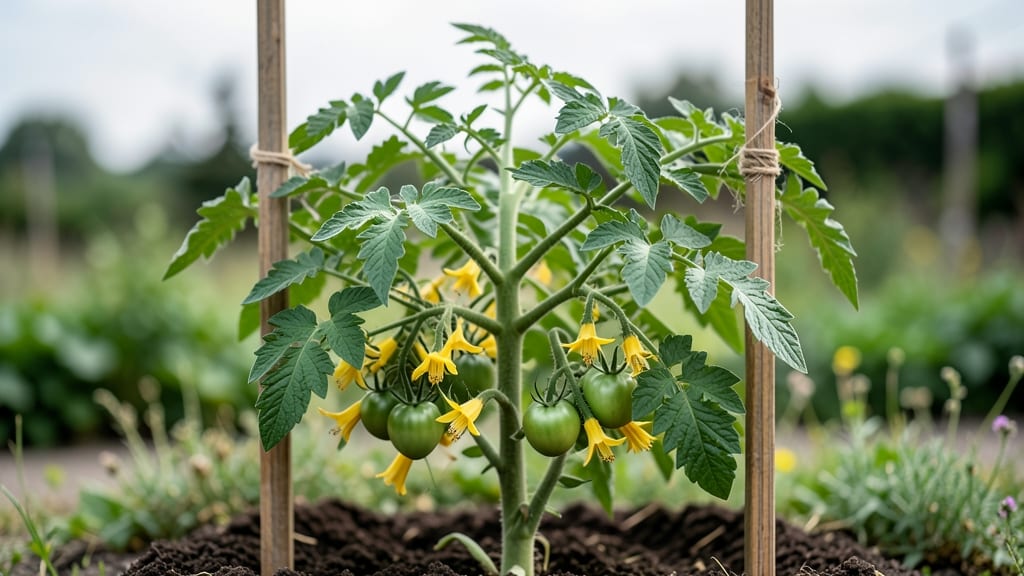
When your tomato plant’s leaves suddenly droop like a tired gardener after a long day, tomato plant help starts with three simple checks—water, sun, and roots. 🌱 I’ve revived more plants than I’ve lost, and the first step is always ruling out the obvious: thirst or heat stress.
A quick finger test in the soil tells you everything you need to know.
The real game-changer? Most drooping comes from uneven watering—either too much (root suffocation) or too little (wilting). After fixing that, check for pests hiding on the undersides of leaves or signs of disease like brown spots.
A strong blast of water from the hose often does the trick for aphids, while fungal issues need a copper fungicide spray.
Within 24 hours of proper care, your plant should perk up noticeably. The key is consistency: water deeply at the base in the morning, mulch to lock in moisture, and prune any damaged leaves to redirect energy.
By the end of the week, you’ll see new growth—and maybe even a few tomatoes on the way.
If the drooping persists after a week despite your best efforts, it might be time to dig deeper (literally). Root rot or severe disease could be at play, and that’s when calling a local extension office for a soil test is your best move.
Most issues, though, are fixable with patience and these basic steps.
📚 In This Guide
- What you need
- Instructions
- Tips and common mistakes
- Wrapping up and next steps
What you need
- ○ Watering can or hose – A gentle spray nozzle helps avoid shocking the plant. (Optional: Add a moisture meter for precision!)
- ● Balanced liquid fertilizer (10-10-10 or 20-20-20) – 1 tablespoon per gallon of water. (Diluted to half-strength for stressed plants.)
- ● Pruning shears or clean scissors – Sharp and sterilized to avoid disease spread.
- ● Household items for DIY solutions: 1 cup hydrogen peroxide (3%) (for root health)
- ● 1 tablespoon sugar or molasses (boosts microbial activity)
- ● 1 tablespoon Epsom salt (for magnesium deficiency)
- ● Container or bucket – For mixing solutions (5+ gallons recommended).
- ○ Plastic wrap or clear bag – To create a mini greenhouse effect (optional but helpful for humidity).
- ● Gloves – Protect your hands from thorns and soil-borne pathogens.
- ● pH test kit – Ideal soil pH for tomatoes: 6.0–6.8.
- ● Stake or support structure – If branches are weak, secure them to prevent further stress.
- ● Notebook & pen – Track progress, symptoms, and treatments applied.
- ● Identify the cause of drooping (underwatering, overwatering, pests, disease, or nutrient deficiency).
- ● Choose a shady spot for recovery (if leaves are severely wilted, direct sun can stress the plant further).
- ● Work during early morning or late afternoon to avoid midday heat stress.
Step-by-step guide to reviving your tomato plant
Here’s how I bring drooping tomato plants back to life—no drama, just action.
💧 Step 1: Check and Adjust Watering
Drooping leaves often mean your tomato is thirsty or drowning. Stick your finger 1-2 inches deep into the soil—if it feels dry, water deeply until it drains from the bottom of the pot or garden bed. If it’s soggy, withhold water and let the top 3 inches dry out before watering again.
Tomatoes hate inconsistent moisture. I water mine in the morning so the leaves dry quickly, preventing fungal diseases. Overwatering is just as bad as underwatering—roots need air to breathe. If the soil smells musty, you’ve overdone it.
☀️ Step 2: Assess Sunlight and Relocate if Needed
Leaves that droop in the afternoon heat are begging for shade. Move your plant to a spot with morning sun and afternoon shade if it’s wilting during peak heat. Tomatoes need 6-8 hours of sunlight daily, but intense afternoon sun can scorch leaves.
Check for yellowing leaves—this often means too much sun. If your plant is in a container, rotate it daily so all sides get even light. Leggy growth (long, weak stems) means it’s stretching for light. If that’s the case, move it closer to a bright window or under a grow light.
🌿 Step 3: Inspect for Pests and Prune Damaged Foliage
Flip over the leaves to check for pests like aphids or spider mites. A strong spray of water usually knocks them off, but if they return, treat with neem oil or insecticidal soap. Drooping can also signal disease—look for brown spots or mold, which mean you’re overwatering or the air isn’t circulating.
Snip off any yellow or brown leaves with clean scissors. This might seem counterintuitive, but removing damaged foliage helps the plant focus energy on healthy growth. Prune in the morning so the cuts have time to heal before evening moisture sets in.
⏰ Step 4: Fertilize Lightly for a Quick Boost
If your tomato’s drooping isn’t from water or sun, it might be hungry. Use a balanced liquid fertilizer (10-10-10) diluted to half strength and apply it to the soil, not the leaves. Avoid high-nitrogen fertilizers—they encourage leafy growth at the expense of fruit.
I fertilize every 2-3 weeks during the growing season, but if your plant is struggling, a single light feeding can perk it up fast. Water the soil first to prevent fertilizer burn. If you’re unsure, skip this step—over-fertilizing stresses plants just as much as neglect.
Tips & tricks for reviving drooping tomato plants
Here's what nobody tells you about bringing tomato plants back from the brink—these tricks save more than a few sad-looking plants each season.
Soil Test Trick: Before you water, do the "squeeze test" on the soil. Gently press it between your fingers—if it crumbles easily, your plant needs water. If it stays clumped, wait another day. I learned this the hard way after drowning three tomato plants in one summer. That top 3 inches of dry soil is your golden rule for knowing when to water again.
Sunlight Strategy: If your tomato is wilting in the afternoon, move it to a spot with morning sun and afternoon shade—this is non-negotiable during heatwaves. For container plants, rotate them daily so all sides get even light exposure. I use a small marker on the pot to track which side faces which direction—it makes a huge difference for even growth.
Pruning Wisdom: When you're removing damaged leaves in Step 3, don't just snip anything yellow or brown. Look for leaves that are more than 25% damaged—healthy leaves help the plant recover faster. And here's a pro move: always prune in the morning. The cuts have time to dry out before evening moisture sets in, which prevents fungal infections.
Fertilizer Timing: That 2-3 week fertilization schedule is perfect, but if your plant is already struggling, skip it entirely for the first week. You want to give it time to recover from whatever stress it's under before adding more nutrients. Once it's showing signs of bouncing back—like new growth or perked-up leaves—then go ahead with that half-strength 10-10-10 fertilizer.
Pro Tips for Tomato Plant Help
- Here's what nobody tells you about bringing tomato plants back from the brink—these tricks save more than a few sad-looking plants each season.
- Soil Test Trick: Before you water, do the "squeeze test" on the soil.
- Sunlight Strategy: If your tomato is wilting in the afternoon, move it to a spot with morning sun and afternoon shade—this is non-negotiable during heatwaves.
Frequently asked questions
Got questions about reviving your tomato plant? You’re not alone! Here are some of the most common concerns—and quick fixes—to keep your plants thriving.
Why are my tomato plant leaves drooping even after watering?
Drooping leaves can mean overwatering (root rot) or underwatering. Check the soil: it should feel moist but not soggy. If the soil is dry, water deeply at the base. If it’s waterlogged, let it dry out and improve drainage with perlite or sand.
How long does it take to revive a tomato plant with drooping leaves?
With proper care, you’ll often see improvement in 24–48 hours. Severe cases (like root rot) may take 1–2 weeks to recover. Monitor soil moisture, prune damaged leaves, and keep the plant in bright, indirect light for best results.
Can I save a tomato plant if the stems are mushy?
If stems feel mushy or black, root rot has likely set in. Unfortunately, the plant may not recover. However, you can prune healthy stems, repot the roots in fresh, sterile soil, and adjust watering habits to prevent future issues.
What’s the fastest way to fix tomato leaves turning yellow?
Yellow leaves often signal nutrient deficiency (like nitrogen) or overwatering. Feed your plant with a balanced fertilizer (10-10-10) and flush the soil with water to remove excess salts. Avoid wetting leaves to prevent fungal diseases.
Will my tomato plant recover if it’s been neglected for a week?
Even neglected plants can bounce back! Start by trimming dead leaves, adjusting watering, and moving the plant to a shadier spot if stressed by heat. If roots are healthy, recovery is possible—but act fast to avoid permanent damage.
Wrapping up and next steps
Giving your tomato plants a little TLC can make all the difference—reviving drooping leaves is easier than you think! 🌱 With the right tools, patience, and these stress-free steps, your plants will bounce back stronger than ever.
Remember, even seasoned gardeners face setbacks, but your green thumb is growing with every effort.
Now that you’re armed with knowledge, pick one step today—check the soil moisture, trim those damaged leaves, or give your plant a nutrient boost. Watch your tomato plant thrive, and soon, you’ll be harvesting juicy, homegrown tomatoes to enjoy! 🍅✨