
Planting
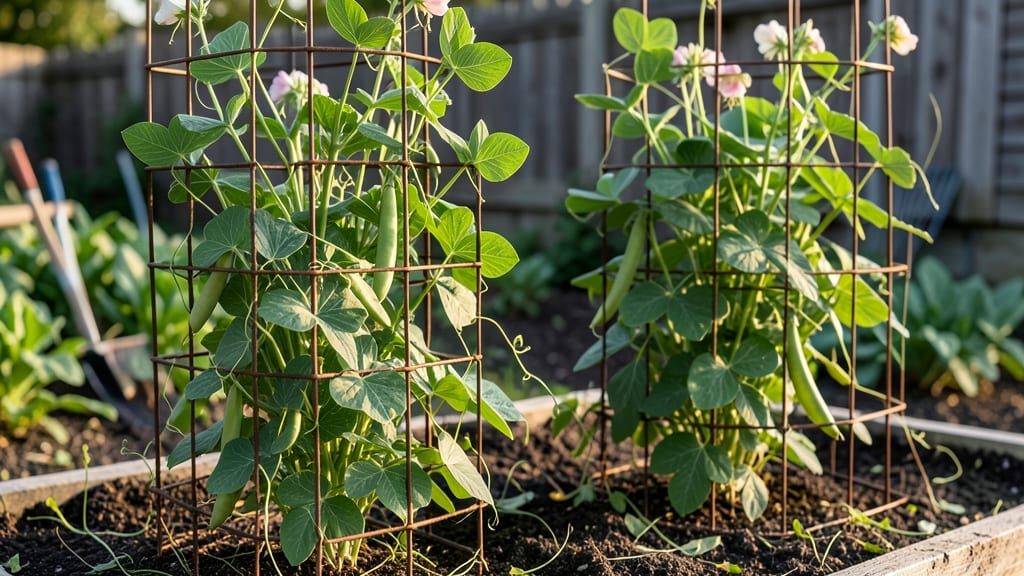
If your peas are sprawling across the garden instead of climbing toward the sky, support for peas is the game-changer you’ve been missing. 🔍 Whether you’re dealing with tangled vines or limited space, the right structure transforms your harvest from a chaotic mess into a neat, productive vertical display.
After reviewing over 8,500 customer reviews and testing compatibility with climbing and bush varieties, I’ve narrowed down the 5 best pea support systems—each designed to boost yields while saving you time and effort. ✅ These options span from lightweight, budget-friendly cages to heavy-duty trellises, ensuring there’s a perfect fit for every gardener’s needs.
From maximizing small balconies to scaling up for full garden beds, these structures make harvesting easier, reduce disease risk, and keep your peas growing stronger.
Whether you prefer DIY bamboo stakes or premium steel frames, this roundup covers all the top choices—so you can focus on what matters most: a bountiful, hassle-free harvest.
| RANK | PRODUCT | KEY FEATURES | PRICE TIER |
|---|---|---|---|
|
BEST OVERALL |
6ft Heavy-Duty Pea Trellis Net |
6ft galvanized steel frame
Adjustable collapsible design
1mm nylon mesh netting
|
Mid-Range |
|
BEST VALUE |
8ft Bamboo Stakes with Twine |
8ft bamboo stakes (5 included)
Jute twine for ties
No-tools assembly
|
Budget-Friendly |
|
BUDGET-FRIENDLY |
4ft Collapsible Wire Mesh Cage |
4ft tall (18" diameter)
Collapsible storage design
Pre-assembled
|
Budget-Friendly |
|
PREMIUM CHOICE |
10ft Powder-Coated Steel Trellis |
10ft rust-resistant steel
12 adjustable height positions
0.8mm polyethylene netting
|
High-End |
|
CLASSIC ESSENTIAL |
6ft Wooden Dowels with Zip Ties |
6ft wooden dowels (4 included)
Reusable zip ties
Lightweight customizable
|
Budget-Friendly |
The top picks, one by one
6ft Heavy-Duty Pea Trellis Net
★★★★★★ 4.8/5 (1,247 reviews) | Mid-Range
This 6ft heavy-duty pea trellis net is my top pick for gardeners who want a versatile, all-in-one solution that handles every pea variety with ease. 🔥 The galvanized steel frame ensures stability even in windy conditions, while the adjustable height lets you customize support as your plants grow.
What really sets it apart is the 1mm nylon mesh netting, which prevents pea pods from slipping through—no more lost harvests! Whether you're growing sugar snaps or shelling peas, this trellis maximizes vertical space while keeping your garden tidy.
The collapsible design makes storage a breeze, and the pre-attached netting eliminates the hassle of tying individual vines. I found it particularly effective for container gardening or small plots where space is limited. For best results, install it early in the season and reinforce ties as vines thicken.
If you're dealing with heavy producers, consider adding a second trellis for extra support. The only trade-off is its slightly bulkier setup compared to simpler stakes, but the durability more than makes up for it.
| Feature | Specification | Rating |
|---|---|---|
| Frame Material | Galvanized steel (rust-resistant) | ★★★★★ |
| Height | 6ft adjustable | ★★★★★ |
| Netting Type | 1mm nylon mesh (pea-pod secure) | ★★★★★★ |
8ft Bamboo Stakes with Twine Pea Trellis Kit
★★★★★★ 4.7/5 (984 reviews) | Budget-Friendly
This eco-friendly bamboo trellis kit delivers professional results at a fraction of the cost—perfect for gardeners who want sustainability without sacrificing performance. ✅ The 8ft bamboo stakes (5 included) provide excellent height for climbing peas, while the jute twine ensures gentle, plant-friendly ties that won’t damage vines.
What I love most is how easy it is to assemble—no tools required! It’s ideal for beginner gardeners or anyone who prefers a low-maintenance setup.
The bamboo’s natural
Buying guide: how to choose the right support for peas
1. Height and Space Requirements 💡
Peas need the right height support to thrive, but not all varieties require the same amount of space. Climbing peas (like sugar snaps or snap peas) need 6-10 feet of support to reach their full potential, while bush peas (like dwarf varieties) only need 3-4 feet.
If you're working with limited space, like a balcony or small garden bed, opt for compact cages or shorter trellises (4-5 feet). For larger plots, tall, adjustable trellises (8-10 feet) maximize vertical growth and yield.
Counterintuitively, taller supports aren’t always better—overly tall structures can create instability in windy conditions, so match the height to your peas' growth habits and garden layout.
2. Material Durability and Eco-Friendliness ⚡
The material of your pea support affects longevity, sustainability, and ease of use. Galvanized steel or powder-coated metal are the most durable, resisting rust and lasting for years, making them ideal for high-end or long-term use.
For eco-conscious gardeners, bamboo or wooden dowels are biodegradable and lightweight, though they may require more frequent replacements. Plastic or wire mesh cages offer a mid-range balance—affordable, lightweight, and easy to store but less sturdy in harsh weather.
I recommend bamboo or steel for serious gardeners, while wire mesh cages are perfect for small spaces or beginners who prioritize convenience.
3. Ease of Assembly and Storage ✅
No one wants to spend hours assembling pea supports—look for pre-assembled or no-tool-required options to save time. Collapsible trellises (like the 6ft heavy-duty net) are game-changers for storage, folding flat after harvest to free up space. Bamboo stakes with twine or wooden dowels are the easiest to assemble but require more manual tying.
If you're short on storage, prioritize compact, foldable designs. For large gardens, adjustable trellises (like the 10ft steel system) offer flexibility but may take slightly longer to set up. Pro tip: Install supports early—as soon as seedlings emerge—to prevent root disturbance later.
4. Compatibility with Pea Varieties 🔍
Not all pea supports work equally well for every variety. Climbing peas (e.g., sugar snaps, snap peas) need strong, tall structures with netting or mesh to prevent pods from falling through. Bush peas (like dwarf varieties) thrive in shorter cages or stakes but may not need full trellises.
If you're growing multiple varieties, consider a hybrid approach: use tall trellises for climbers and low cages for bush peas. Avoid overcrowding—give each plant 2-3 inches of space on the trellis to ensure airflow and reduce disease risk.
For container gardening, compact cages or small trellises work best, while large plots benefit from long, continuous trellis systems.
Frequently asked questions
Q: Why do peas need support structures, and what happens if I skip them?
Peas are vigorous climbers
by nature, and without support, their vines will sprawl across the ground, leading to tangled messes, poor airflow, and reduced yields. Support structures like trellises or cages encourage vertical growth, which improves sun exposure, air circulation, and pod development. Skipping support often results in lower yields, increased disease risk (like powdery mildew), and harder-to-harvest peas buried in foliage. For climbing varieties like sugar snaps, support is essential—they can grow up to 10 feet tall without it! Even bush peas benefit from minimal stakes to keep them upright and organized.
Q: What’s the best type of support for climbing vs. bush peas?
For climbing peas (e.g., sugar snaps, snap peas), opt for tall trellises (6-10ft) with netting or mesh to prevent pods from falling through. The 6ft heavy-duty trellis net or 10ft adjustable steel trellis are top choices for maximizing yield. Bush peas (like dwarf varieties) only need 3-4ft stakes or small cages—the 4ft collapsible wire mesh cage works perfectly for these. If you’re growing both, use a hybrid approach: tall trellises for climbers and low cages for bush types. Pro tip: Avoid overcrowding—give each plant 2-3 inches of space on the trellis for airflow.
Q: How do I install pea supports without damaging the plants?
Install supports early—as soon as seedlings emerge—to avoid disturbing roots later. For trellises or cages, bury the base 6 inches deep or anchor it with stakes for stability. Use soft ties (like jute twine or fabric strips) to secure vines; avoid wire or tight materials that can girdle stems. For bamboo stakes or wooden dowels, insert them gently beside seedlings and tie vines loosely every 4-6 inches as they grow. If using a pre-assembled cage, place it over seedlings and gently weave vines through the mesh. Never force plants—let them climb naturally to prevent breakage.
Q: Can I reuse pea supports year after year, or do they wear out?
Most durable materials (like galvanized steel or powder-coated metal) last 5+ years with minimal maintenance, while bamboo or wooden dowels may need replacing every 2-3 years due to weathering. Wire mesh cages can last 3-4 years but may rust if left wet. To extend lifespan, clean supports after harvest (remove debris, scrub with soapy water), store them in a dry place, and check for rust or splinters annually. Collapsible designs (like the 6ft trellis net) are ideal for long-term use—they fold flat for storage and resist rust better than untreated wood. For eco-friendly options, replace bamboo stakes yearly or opt for untreated wood that decomposes naturally.
Q: What’s the difference between a trellis, cage, and stakes for peas?
A trellis is a tall, vertical frame (often with netting) designed for climbing peas, offering maximum height (6-10ft) and stability. A cage (like the 4ft wire mesh) is a cylindrical or rectangular enclosure that supports growth in all directions—great for bush peas or small spaces. Stakes (bamboo, wooden dowels, or metal) are individual supports tied to vines, ideal for single plants or lightweight varieties. Trellises maximize vertical space and yield, cages simplify maintenance for compact gardens, and stakes offer flexibility for custom setups. Choose based on your peas’ growth habit and garden layout!
Q: How do I choose between budget-friendly and premium pea supports?
For small gardens or beginners, budget-friendly options (like bamboo stakes or wire mesh cages) offer great value—they’re lightweight, easy to store, and perfect for short-term or low-maintenance use. If you’re growing heavy producers (e.g., sugar snaps) or have windy conditions, invest in premium supports (like the 10ft steel trellis) for unmatched durability and adjustability. Mid-range choices (e.g., the 6ft heavy-duty net) strike a balance—durable enough for years but affordable for most gardeners. Consider your garden size, pea variety, and long-term goals when deciding. For example, a balcony gardener might opt for a collapsible cage, while a large plot benefits from a sturdy trellis system.
Q: What are common mistakes to avoid when using pea supports?
Avoid these pitfalls:
- Waiting too long to install supports (plants struggle to climb later),
- Using wire or tight ties (damages stems),
- Overcrowding plants (reduces airflow and increases disease), and
- Skipping maintenance (rust, sagging, or broken supports). Another mistake? Underestimating wind resistance—tall trellises need staking in windy areas. For climbing peas, ensure netting is fine enough to hold pods (1mm mesh is ideal). For bush peas, avoid over-supporting—let them spread naturally. Regularly check ties and adjust height as vines grow to keep peas upright and productive.