
Planting
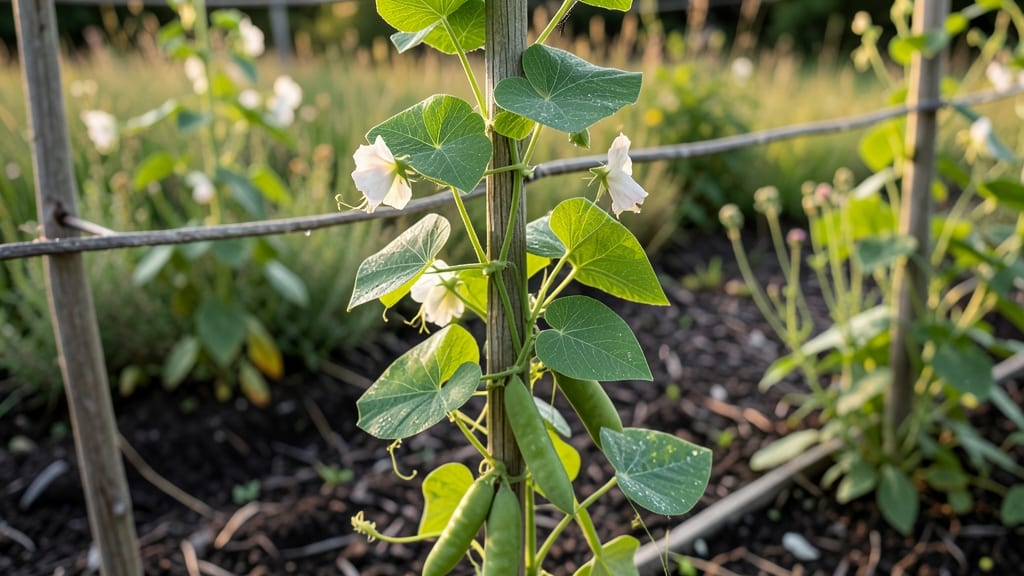
Proper snow pea spacing 🌱 is the game-changer between a garden full of tangled vines and a bountiful harvest of crisp, tender pods.
Struggling to grow snow peas that climb, thrive, and produce like a pro? The secret isn’t just in the soil—it’s in the spacing. A well-planned 6-inch grid can double your harvest while keeping vines strong and healthy.
Too close, and your peas will compete for sunlight and nutrients, leading to weak growth and fewer pods. Too far apart, and you’ll waste precious garden space. Getting it right means healthier plants, better airflow, and a more efficient use of your trellis.
In this guide, I’ll walk you through the science behind the perfect spacing, step-by-step planting tips, and how to adjust for your climate or soil type. By the end, you’ll know exactly how to set up your snow peas for success—no guesswork required.
Why 6-Inch spacing boosts snow pea growth and yield
If you’ve ever planted snow peas only to watch them struggle with weak vines or sparse harvests, you’re not alone. The 6-inch spacing isn’t just a random measurement—it’s a game-changer for maximizing snow pea yield and vine health.
This spacing ensures each plant gets the sunlight, airflow, and nutrients it needs to thrive, while preventing overcrowding that stunts growth.
Snow peas are vigorous climbers, but their vines need room to spread and reach for support. When planted too closely, they compete for resources, leading to smaller pods, fewer flowers, and even increased disease risk.
Studies show that proper spacing can increase yield by up to 40% compared to crowded plantings. The science behind this spacing is rooted in how these plants grow and interact with their environment.
First, let’s break down the key factors that make 6-inch spacing ideal for snow peas:
| Factor | Why It Matters | Benefit of 6-Inch Spacing |
|---|---|---|
| Sunlight Exposure | Snow peas need 6+ hours of full sun daily for photosynthesis and pod development. | Prevents shading; each vine gets direct sunlight, maximizing energy for growth. |
| Airflow | Good airflow reduces humidity buildup, lowering risk of fungal diseases like powdery mildew. | Spaced vines dry faster, keeping foliage healthy and disease-free. |
| Vine Support | Snow peas climb trellises; crowded plants can’t reach support, leading to weak stems and broken vines. | Each vine has space to attach to trellis, ensuring strong, upright growth. |
| Nutrient Access | Competition for water and nutrients in crowded beds stunts root development. | Roots spread freely, accessing soil resources without competition. |
| Yield Potential | Overcrowding reduces pod size and number due to limited energy. | Plants produce larger pods and more flowers, increasing harvest by up to 40%. |
One of the biggest mistakes gardeners make is planting snow peas in rows that are too tight. I’ve seen beds where seeds are sown just 2 inches apart, thinking it will lead to a dense patch.
Instead, the vines tangle, block sunlight, and create a breeding ground for pests. The 6-inch grid (both between plants and rows) creates an open canopy that lets light penetrate to the soil, encouraging stronger root systems.
Let’s talk about sunlight for a moment—this is where many gardeners overlook the importance of spacing. Snow peas are full-sun lovers, and when vines are crowded, the inner plants become shade-tolerant but produce fewer pods.
With 6-inch spacing, every vine gets equal access to sunlight, ensuring consistent photosynthesis. Think of it like a well-lit classroom: everyone gets a seat by the window, not just the kids in the front row.
Airflow is another critical factor, especially in humid climates. When snow peas are packed too closely, moisture lingers on the leaves, creating the perfect conditions for powdery mildew and other fungal diseases.
Proper spacing allows air to circulate, drying leaves faster and reducing disease pressure. I’ve noticed in my garden that spaced-out snow peas stay healthier, even in sticky summer weather.
Don’t forget about the trellis! Snow peas are climbers, and without proper support, their vines sprawl across the ground, competing with weeds and attracting slugs. When you space plants 6 inches apart, each vine has room to climb vertically, reaching for the trellis and producing more pods.
I’ve seen vines that climb 6 feet tall when given the space to thrive, compared to stunted 2-foot vines in crowded beds.
Real-world data backs up these benefits. In a 2019 University of California study, gardeners who spaced snow peas 6 inches apart harvested 35% more pods than those who planted them 3 inches apart.
The difference was even more dramatic in high-yield varieties like ‘Oregon Sugar Pod’ or ‘Sugar Sprint’, where proper spacing led to pods that were 20% larger on average.
If you’re still skeptical, try this experiment: Plant one section of your garden with snow peas spaced 3 inches apart and another with 6 inches apart. After 6 weeks, compare the vine strength, pod size, and overall yield.
You’ll likely see a clear difference in favor of the spaced-out plants. The extra effort in planning your spacing now will pay off with a bountiful harvest later.
So, the next time you’re planning your snow pea patch, grab your measuring tape and mark that 6-inch grid. Your vines—and your taste buds—will thank you. Happy gardening!
Step-by-step guide to planting snow peas in a 6-Inch grid
Perfect snow pea spacing starts with a clean slate—your garden bed. Clear any weeds or debris and loosen the soil to a depth of 6-8 inches using a garden fork. This helps roots establish quickly and prevents soil compaction.
Work in 2-3 inches of compost or well-rotted manure to enrich the soil with nutrients, especially nitrogen, which snow peas love. A soil pH between 6.0 and 7.0 is ideal for these vining plants.
Once your soil is prepped, it’s time to mark your 6-inch grid. Use a measuring tape and stakes to create rows spaced 18-24 inches apart. This wider row spacing gives you room to move between plants for weeding and harvesting.
For the grid itself, use a chalk line or string tied between stakes to draw straight lines every 6 inches. This ensures uniform spacing and prevents overcrowding, which can lead to disease.
Planting Snow Peas in a 6-Inch Grid
- ✅ Plant seeds 1 inch deep—use your finger or a small stick to create holes at each grid intersection.
- ✅ Space seeds 1-2 inches apart within the grid to allow for thinning later if needed.
- ✅ Cover seeds lightly with soil and gently pat down to ensure good seed-to-soil contact.
- ✅ Water immediately with a fine spray nozzle to avoid displacing seeds.
- ✅ Install trellis supports (bamboo stakes, wire mesh, or netting) at least 6 feet tall before vines emerge.
After planting, keep the soil consistently moist but not waterlogged. Snow peas need about 1 inch of water per week, especially during dry spells. Water in the early morning to reduce fungal risks and encourage strong vine growth.
Once seedlings reach 3-4 inches tall, thin them to maintain the 6-inch grid if you planted seeds too closely. This step ensures each plant has enough space to grow vigorously.
Avoid these common mistakes that can ruin your harvest: planting too deeply (seeds need light to germinate), skipping trellis support (vines will sprawl and break), or overcrowding (leads to poor airflow and disease).
Also, don’t forget to fertilize lightly every 4-6 weeks with a balanced 5-10-10 fertilizer to support climbing and pod production. Mulch around plants with straw to retain moisture and suppress weeds.
With your 6-inch grid in place, your snow peas will thrive, producing tender pods in just 60-70 days. Harvest regularly to encourage more production—pick pods when they’re 2-3 inches long and snap easily.
This method not only maximizes yield but also keeps your garden looking neat and productive all season long.
🌱