
Planting
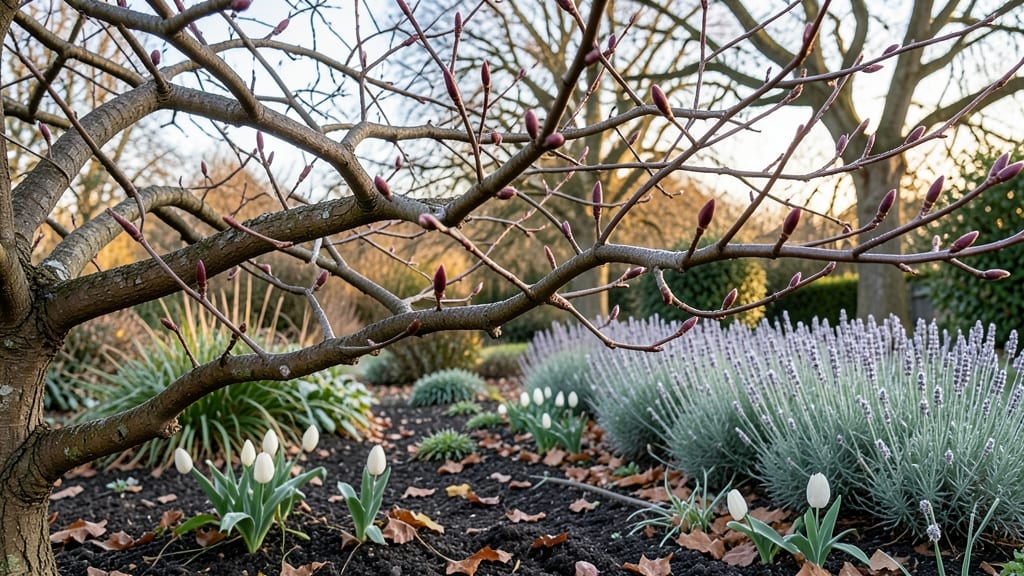
Growing plants in areas where snow falls even in summer zones means choosing frost-resistant varieties like alpine strawberries, Siberian peashrubs, and hardy perennials, then using raised beds, heavy mulching, and wind protection to shield roots from freezing temperatures.
Snow in summer zones might sound impossible, but it happens in high-altitude or northern regions where summer temperatures can still dip below freezing at night.
The key is selecting plants bred for extreme cold tolerance—like alpine strawberries that thrive in rocky, chilly conditions or Siberian peashrubs that survive -40°F winters. 🌨️ These varieties enter dormancy during cold snaps, protecting their core systems while roots stay insulated beneath mulch layers.
Raised beds elevate plants above frost pockets, while windbreaks made of evergreens or straw bales create microclimates that trap warmth.
Timing matters too: planting in early fall gives roots time to establish before winter, while spring planting should wait until soil temperatures stabilize. I’ve found that straw mulch (at least 6 inches deep) acts like a blanket, keeping roots 10°F warmer than ambient air.
For extra protection, use cloche tunnels or row covers during late-season snow events—just remove them on sunny days to prevent overheating.
💡 In This Article
- Understanding Cold-Hardy Plant Survival in Snow Zones
- Planting and Maintenance Hacks for Snow-Prone Gardens
Understanding cold-hardy plant survival in snow zones
Cold-hardy plants survive snow-prone zones through a combination of biological adaptations and environmental strategies. Alpine species like alpine strawberries and Siberian peashrubs evolved in high-altitude regions where temperatures fluctuate dramatically.
Their survival hinges on dormancy mechanisms—when temperatures drop below 32°F, these plants enter a metabolic slowdown, preserving energy while protecting critical tissues.
The waxy coating on leaves, for example, reduces water loss during freezing conditions, while deep root systems anchor plants in insulated soil layers that stay 5-10°F warmer than surface air.
The science behind hardiness zones (like USDA Zone 3) explains why some plants thrive where others fail. A Zone 3 plant can tolerate down to -40°F, but microclimates—small areas with unique conditions—can shift this dramatically.
A south-facing slope might stay 5°F warmer than a north-facing valley, allowing you to grow plants one zone harder than your official rating. 🌿 For instance, rhubarb (Zone 3) can survive in Zone 4 if planted near a brick wall, which absorbs and radiates heat.
This is why gardeners in marginal zones focus on root insulation (mulch) and above-ground protection (cloches).
Plant origins play a crucial role in cold tolerance. Alpine plants from the Himalayas or Andes Mountains, like edelweiss or rock cress, have adapted to thin, rocky soils and freezing winds.
Their shallow but dense root networks maximize water absorption from brief thaws, while their compact growth habits minimize wind exposure. In contrast, tropical plants (like tomatoes or peppers) lack these adaptations and will succumb to 32°F without protection.
This is why Siberian peashrubs, native to Russia’s harsh winters, can handle snowfall better than their temperate cousins.
One often-overlooked factor is snow itself. A thick snow blanket (at least 6 inches) acts as a natural insulator, keeping soil temperatures stable. Studies show that snow cover can raise soil temps by 10-15°F compared to exposed ground.
However, this only works if snow stays put—wind or melting cycles can disrupt this insulation. That’s why windbreaks (like evergreen hedges) are essential: they trap snow, creating a microclimate where plants can survive temperatures 10°F colder than the surrounding area.
For gardeners, understanding these mechanisms means prioritizing plants with deep root systems (like asparagus) or woody stems (like currants), which store energy reserves. Avoiding tender annuals (like basil) in favor of perennials (like hardy kiwi) ensures long-term success.
The key takeaway? Cold-hardy plants don’t just tolerate snow—they leverage it as part of their survival strategy.