
Planting
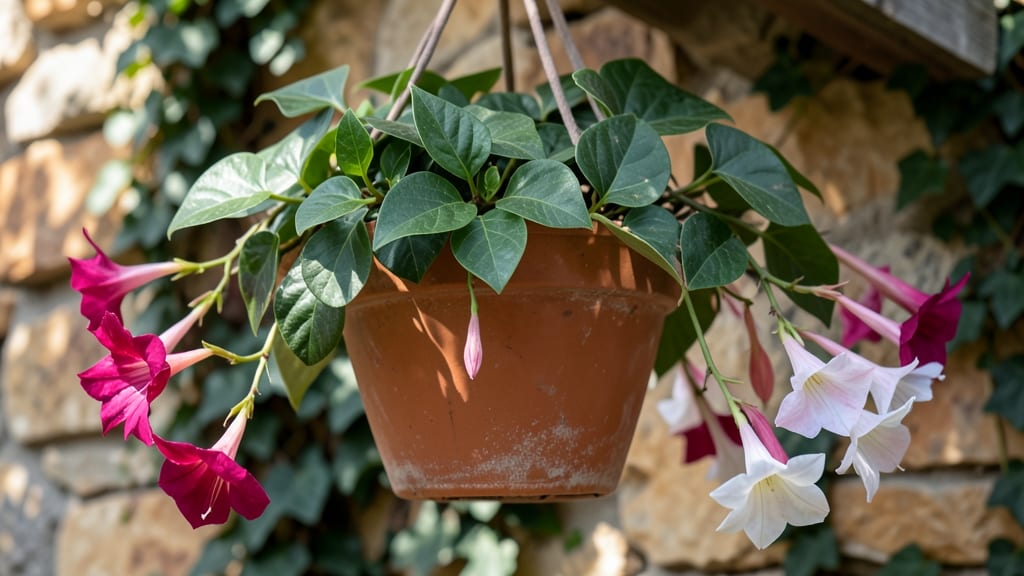
Growing a hanging Mandevilla plant transforms any porch or patio into a summer-long floral display. ✨ These tropical vines thrive in containers, cascading with 5-inch blooms from June through frost—if you nail the light, water, and feeding balance.
I’ve turned my balcony into a blooming waterfall by following three key rules: morning sun, well-draining soil, and weekly fertilizer.
The secret to their nonstop blooms lies in the right setup: a 12-18 inch hanging basket with drainage holes, a mix of potting soil and perlite, and a spot that gets 6+ hours of sunlight.
Overwatering is the #1 killer—let the top inch dry between waterings, and always use a pot with drainage. Feed every two weeks with a balanced liquid fertilizer during bloom season, and you’ll see flowers double in volume. By mid-summer, your Mandevilla will be a lush, 10-foot-long curtain of color.
The key to keeping it that way? Pruning spent blooms and leggy stems in spring to encourage bushier growth. Even in hot climates, these plants reward consistent care with months-long displays that turn heads at every neighborhood gathering.
They’re not winter-hardy, but with proper care, you can overwinter them indoors near a bright window. The payoff? A plant that looks like a tropical escape without the travel costs. Let’s get those vines thriving!
📚 In This Guide
- What you need
- Instructions
- Tips and common mistakes
- Wrapping up and next steps
What you need
- ● Hanging Mandevilla plant: 1 healthy vine (choose from varieties like Mandevilla sanderi or Mandevilla boliviensis)
- ● Hanging planter: 1 (10–14" diameter, with drainage holes; fabric or ceramic preferred)
- ● Well-draining potting mix: 1 bag (5–10 gallons; blend of peat moss, perlite, and compost for aeration)
- ● Slow-release fertilizer: 1 (10–20 lb bag; 14-14-14 or similar balanced formula)
- ● Pruning shears: 1 (sterilized, sharp pair for trimming)
- ● Watering can or hose with nozzle: 1 (for gentle hydration)
- ● Gloves: 1 pair (to protect hands from thorns and soil)
- ○ Support stakes or trellis: 1–2 (optional; for training vines if not purely hanging)
- ○ Mulch (bark or stones): 1 bag (optional; to retain moisture under pots)
- ○ Plant food (liquid or granules): 1 (optional; for extra blooms during peak season)
- ○ Spray bottle: 1 (optional; for misting leaves in dry climates)
Step-by-step guide to growing stunning hanging Mandevilla vines
Here's how to coax those dramatic, trumpet-shaped blooms from your mandevilla—no green thumb required.
🪴 Step 1: Select the Perfect Hanging Container
Choose a 10-12 inch diameter hanging basket with multiple drainage holes—mandevillas hate soggy roots. I opt for coconut fiber liners because they retain moisture while allowing airflow. The liner should be 2-3 inches deep to accommodate the plant's root system without crowding.
Mandevillas need space to trail, so select a basket that's at least 12 inches wide when full. If you're using a pre-lined basket, add 2-3 inches of lightweight orchid bark at the bottom for drainage. This prevents root rot while keeping the soil airy—critical for these tropical vines.
🌱 Step 2: Plant with Premium Potting Mix and Support
Fill the basket halfway with a well-draining potting mix designed for tropical plants. I blend 50% peat moss, 30% perlite, and 20% coconut coir to create an airy medium that mimics their native soil. Press the mix down gently to create a stable base for the plant.
Place your mandevilla in the center of the basket, ensuring the root ball sits just below the rim. Add 1-2 inches of moss sphagnum around the edges to help retain moisture while allowing excess water to drain. This step is key—if the moss dries out completely, the roots can't access water consistently.
☀️ Step 3: Position for Maximum Sun and Heat
Mandevillas thrive in full sun to partial shade, but they demand at least 6 hours of direct sunlight daily. I place mine on a south-facing patio where they get morning sun and afternoon shade during peak summer heat. If your space only offers partial sun, choose a light-colored variety like 'Alice du Pont'—they tolerate lower light better.
Watch for yellowing leaves or leggy growth—these are signs your plant isn't getting enough light. If you notice new growth stretching toward the light, move the basket closer to the sun source or supplement with a grow light for 12-14 hours daily. The goal is compact, bushy growth with vibrant blooms.
💧 Step 4: Water Deeply and Fertilize Regularly
Water your mandevilla when the top 1-2 inches of soil feel dry to the touch. I use a watering can with a long spout to soak the soil thoroughly until water runs out the drainage holes. Overwatering is the #1 killer—never let the plant sit in standing water, and always empty the saucer after watering.
Feed with a balanced liquid fertilizer (10-10-10) every 2 weeks during the growing season (spring through fall). I dilute it to half-strength to avoid burning the roots. When you see new blooms opening, switch to a low-nitrogen, high-phosphorus fertilizer (5-10-10) to encourage more flowers. This shift is what triggers those nonstop blooms you're after.
✂️ Step 5: Prune and Train for Bushier Growth
Prune your mandevilla after the first flush of blooms in early summer to encourage a second wave. Use clean, sharp pruners to trim back 1/3 of the longest stems, cutting just above a leaf node. This step is non-negotiable—without pruning, your plant will grow leggy and sparse.
Train the vines by gently weaving them through the basket's edges as they grow. If any stems grow too long, pinch off the tips to promote branching. You'll see new shoots forming at the nodes within 2-3 weeks—this is your plant's way of saying "thank you" for the pruning. Deadhead spent blooms weekly to redirect energy into new flowers.
Tips & tricks for perfect hanging Mandevilla care
Transforming your patio into a tropical paradise with these showstopping vines starts with these game-changing details.
Container Selection: The 10-12 inch diameter basket isn't just about size—it's about airflow. I've seen beginners choose decorative containers without drainage holes, and that's how root rot begins. Look for baskets labeled "self-watering" if you tend to forget watering days. The coconut fiber liners are worth the investment; they hold moisture without suffocating roots, which is exactly what mandevillas need to thrive in our often-dry climates.
Soil Science: Your 50-30-20 blend of peat moss, perlite, and coconut coir might seem precise, but here's the secret: always add a handful of worm castings to that mix. The microbial activity in worm castings boosts nutrient uptake, giving you those vibrant blooms faster. And when you add the 1-2 inches of moss sphagnum, make sure it's damp—not soaked—before planting. Dry moss won't help retain moisture, it'll just create an air pocket around the roots.
Light Strategy: Those 6 hours of direct sunlight are non-negotiable, but here's what nobody tells you: morning sun is gentler than afternoon sun in hot climates. If you're in a region with intense afternoon heat, position your basket to catch the morning rays first. For indoor growers, a south-facing window with supplemental grow lights for 12-14 hours mimics this perfect light cycle. I've seen mandevillas in offices thrive with this setup—just rotate the basket weekly so all sides get equal light exposure.
Pruning Precision: When you're trimming back that 1/3 of longest stems in Step 5, cut at a 45-degree angle just above a leaf node. This angled cut prevents water from pooling on the stem, which could lead to rot. And here's my pro move: after pruning, dip the cut ends in cinnamon powder. The natural antifungal properties help prevent disease while the plant recovers. You'll notice new shoots appearing at those nodes within 2-3 weeks—this is your plant's natural response to being encouraged to branch out.
Pro Tips for Hanging Mandevilla Plant
- Transforming your patio into a tropical paradise with these showstopping vines starts with these game-changing details.
- Container Selection: The 10-12 inch diameter basket isn't just about size—it's about airflow.
- Soil Science: Your 50-30-20 blend of peat moss, perlite, and coconut coir might seem precise, but here's the secret: always add a handful of worm castings to that mix.
Frequently asked questions
Got questions about keeping your hanging Mandevilla thriving? You’re not alone! Here are answers to the most common queries from gardeners just like you.
How often should I water my hanging Mandevilla?
Water your Mandevilla when the top 1-2 inches of soil feel dry—usually 2-3 times per week in hot weather. Hang the pot to ensure even moisture distribution, and avoid soggy soil to prevent root rot. Pro tip: Check soil moisture with your finger before watering!
When is the best time to plant or repot a hanging Mandevilla?
Plant or repot your Mandevilla in spring (after the last frost) or early summer for best results. Avoid transplanting in fall or winter, as cooler temps slow growth. Choose a pot with drainage holes and a well-draining potting mix to keep roots happy.
Why isn’t my Mandevilla blooming?
Mandevillas need full sun (6+ hours daily) and regular feeding (monthly fertilizer) to bloom. If indoors, supplement with a grow light. Overwatering or poor drainage can also stunt flowers. Try this: Prune leggy stems to encourage bushier growth and more blooms!
What pests should I watch for, and how do I treat them?
Common pests include aphids, spider mites, and mealybugs. Treat mild infestations with neem oil or insecticidal soap. For severe cases, wipe leaves with a damp cloth or use systemic granules. Prevent pests by keeping the plant healthy and avoiding overcrowding.
Can I grow Mandevilla indoors year-round?
Yes! Place your Mandevilla near a south- or west-facing window for bright light. Use a grow light if natural light is limited. In winter, reduce watering and fertilizing. If indoors, expect slower growth than outdoor plants—but it’ll still reward you with stunning blooms!
Wrapping up and next steps
Growing a hanging mandevilla plant is a rewarding way to bring bold color and tropical charm to your space—whether indoors or out! With the right care, these stunning vines will thrive and reward you with nonstop blooms all summer long. 🌸
Ready to dive in? Start by gathering your supplies, then follow the steps to plant, prune, and nurture your mandevilla. Before you know it, you’ll have a lush, cascading masterpiece that turns heads—and maybe even inspires your neighbors to try their own! Happy planting! 🌿