
Planting
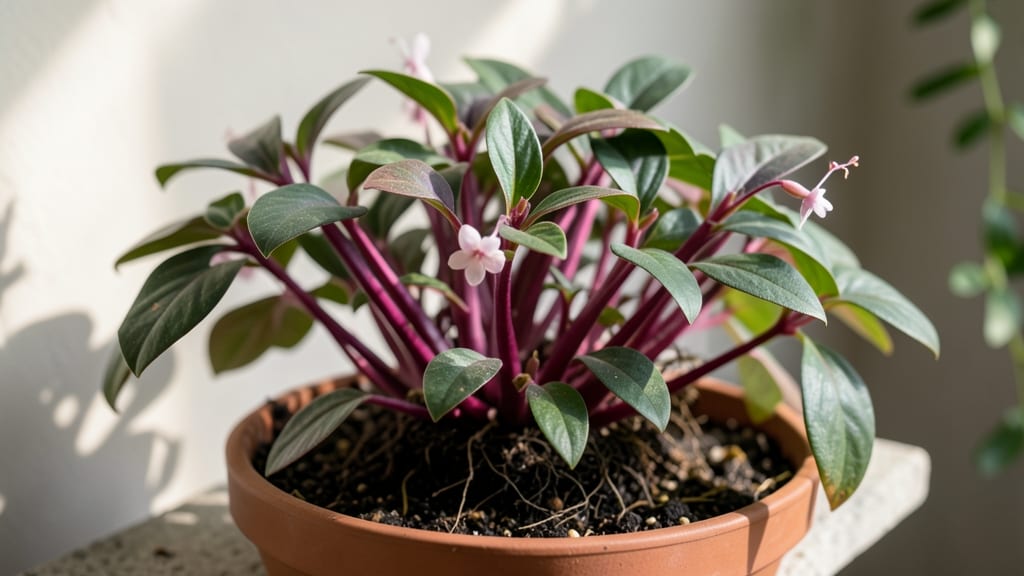
Understanding the purple heart plant's zone requirements means focusing on USDA zones 9 through 11, where it naturally thrives with temperatures down to 25°F (-4°C). While it may survive brief cold snaps in marginal zones, proper winter protection is essential to prevent dieback.
The purple heart plant (Tradescantia pallida) is a tropical beauty that struggles outside its preferred USDA zones 9-11 range. 🌡️ Its succulent stems and vibrant foliage freeze at 28°F (-2°C), causing irreversible damage to its delicate cell structures.
What makes this plant fascinating is its resilience—even if it appears dead after a hard frost, the roots often survive, allowing regrowth once temperatures warm.
For gardeners in zones 8 and below, strategic overwintering techniques like heavy mulching or container relocation can make all the difference in preserving this striking perennial year after year.
This plant's cold sensitivity stems from its tropical origins, where consistent warmth is the norm. The key to success in cooler climates lies in understanding its microclimate needs—protected spots near south-facing walls or under eaves can provide that extra degree of warmth during critical cold snaps.
I've found that even a few inches of mulch can raise soil temperatures by 5-10°F, creating a buffer zone that makes the difference between survival and loss.
💡 In This Article
- USDA Zone Breakdown for Purple Heart Plant Growth
- Winter Care Tips to Extend Purple Heart’s Lifespan
USDA zone breakdown for purple heart plant growth
The purple heart plant's struggle in zones below 9 stems from its tropical biology. This plant's cell membranes contain high levels of unsaturated fats that remain fluid only above 50°F (10°C).
When temperatures drop below 28°F (-2°C), these membranes stiffen, disrupting water transport and causing cellular dehydration—visible as blackened, mushy stems. 🌡️ The 'Purple Heart' cultivar (Tradescantia pallida) is particularly vulnerable because its thick, waxy leaves concentrate heat loss during cold snaps.
Zone 9 gardeners face the greatest risk during sudden cold fronts, where temperatures can plummet from 60°F (15°C) to 25°F (-4°C) within 24 hours. The plant's roots may survive down to 20°F (-7°C) if protected, but the above-ground growth will inevitably freeze.
What's fascinating is how cultivar variations affect cold tolerance—some purple heart hybrids with thicker stems can tolerate 23°F (-5°C) for short periods, while others show damage at 30°F (-1°C).
This frost sensitivity explains why purple heart thrives in zones 10-11 where winter lows rarely dip below 30°F (-1°C). The plant's natural habitat in Mexico and Central America receives consistent warmth, and its growth cycle accelerates when nighttime temperatures stay above 55°F (13°C).
In cooler zones, gardeners must replicate these conditions through microclimate engineering—placing plants near heat-retaining structures or using protective covers during critical freeze periods.
The science behind this intolerance involves osmotic regulation—purple heart cells maintain high internal water pressure to keep stems upright. Cold temperatures disrupt this balance, causing plasmolysis (cell collapse) within hours. 💧 What's counterintuitive is that overwatering in cold weather accelerates damage by preventing the plant from entering dormancy.
The roots continue absorbing water while the stems freeze, creating internal pressure that ruptures cell walls.
Consider these key zone-specific growth patterns:
- Zone 9: Purple heart grows vigorously but requires winter mulching (6-8 inches) to prevent soil temperature drops below 40°F (4°C)
- Zone 8: Only container-grown plants survive winters, needing insulated pots and vernacular protection during freezes
- Zone 7 and below: Treat as annuals or overwinter indoors, as outdoor survival rates drop below 10%
What most gardeners don't realize is how humidity levels interact with cold tolerance. Purple heart thrives in 60-80% humidity but becomes more frost-sensitive when air moisture drops below 40%.
This is why coastal zone 9 gardens often support purple heart better than inland locations—marine air provides natural humidity buffers during cold snaps. 🌊