
Planting
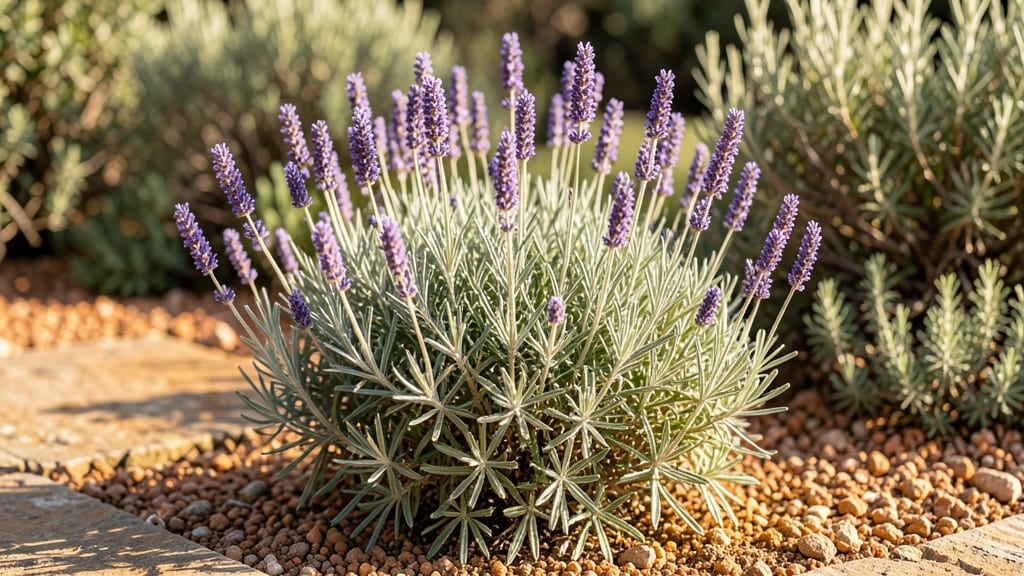
The plant that has purple flowers you need to transform your garden into a buzzing summer wonderland is already out there—waiting to be discovered. 🌸 I've filled my borders with these showstoppers, and they never fail to draw hummingbirds, bees, and butterflies like nothing else.
The secret isn't just their color—it's how they pair together to create nonstop blooms from spring through fall.
Think beyond just lavender. Petunias spill over containers in jewel tones, clematis climbs trellises with dramatic blooms, and coneflowers stand tall with pollinator-loving centers. My favorite combo? Purple salvia paired with silver foliage—it's like a living painting that keeps getting better as the season progresses.
You'll end up with a garden that buzzes with life and stays vibrant for months. The key is mixing heights, textures, and bloom times so there's always something in peak season. Even a small patio can become a purple paradise with the right plant choices.
Perfect for creating focal points, borders, or container gardens that pop. Let's dive into the top 10 purple flowers that will transform your outdoor space into a pollinator hotspot—no green thumb required.
📚 In This Guide
- What you need
- Instructions
- Tips and common mistakes
- Wrapping up and next steps
What you need
- ● Purple-flowering plants: Choose from seeds or young plants like Lavender, Cleome, Salvia, Petunias, or Coneflowers (10–20 plants, depending on garden size).
- ● High-quality potting soil: 5–10 bags (1–2 cubic feet each), well-draining and rich in organic matter.
- ● Organic fertilizer: 1–2 bags of balanced 10-10-10 or slow-release granules (follow package instructions).
- ● Mulch: 1 bag of wood chips or straw to retain moisture and suppress weeds.
- ● Garden trowel or shovel (for planting and soil prep).
- ● Pruning shears (to trim dead blooms and encourage growth).
- ● Watering can or hose with a gentle spray nozzle (for even hydration).
- ● Garden gloves (to protect your hands while working).
- ● Measuring tape or ruler (for spacing plants correctly).
- ● Pollinator-friendly companion plants: Marigolds, sunflowers, or basil to boost biodiversity.
- ● Decorative garden stakes or trellises (for climbing plants like Sweet Peas or Morning Glories).
- ● Slow-release watering system (like drip irrigation for low-maintenance care).
- ● Garden journal (to track blooming seasons and plant care notes).
How to cultivate stunning purple-blooming pollinator plants
Here's how to create a buzzing garden with four of nature's most vibrant purple bloomers.
🌱 Step 1: Select Your Pollinator Powerhouses
Start with these four purple-flowering superstars that attract bees, butterflies, and hummingbirds: lavender (Lavandula), purple coneflower (Echinacea purpurea), Russian sage (Perovskia atriplicifolia), and salvia (Salvia nemorosa). Each brings different textures and bloom times—lavender for early summer fragrance, coneflower for mid-season structure, Russian sage for late-season height, and salvia for continuous color.
I always plant them in clusters of three to five plants per variety to create visual impact and ensure continuous nectar flow. Check your USDA hardiness zone—lavender thrives in zones 5-9, while Russian sage handles 3-9. Coneflower and salvia adapt well to zones 4-8, making them versatile choices for most gardens.
☀️ Step 2: Prepare the Perfect Planting Site
Purple pollinators love full sun (6+ hours daily) and well-draining soil. Test your soil's pH—lavender and Russian sage prefer alkaline to neutral (6.7-7.3), while coneflower and salvia tolerate slightly acidic to neutral (6.0-7.0). Amend heavy clay soil with 2-3 inches of compost and a handful of sand to improve drainage.
Here's the thing—these plants hate soggy roots. If your garden has poor drainage, consider raised beds or mounds. I plant mine on 6-inch-high berms to prevent water pooling. Space lavender 18-24 inches apart, coneflower 18-24 inches, Russian sage 24-36 inches, and salvia 24-36 inches to allow airflow and prevent fungal diseases.
💧 Step 3: Plant and Establish for First-Year Success
Dig holes twice as wide as the root ball but only as deep. Place each plant so the top of the root ball sits just below soil level—burying the stem crown too deep invites rot. Backfill with native soil mixed with 1 cup of compost per hole, then water deeply to settle the soil.
Don't overwater after planting. These drought-tolerant beauties prefer deep, infrequent watering—about 1 inch per week during establishment. You'll know they're happy when new growth appears within 3-4 weeks. Mulch with 2 inches of gravel or coarse bark (not organic mulch) to preserve moisture and deter weeds without suffocating roots.
✂️ Step 4: Maintain for Continuous Blooms
Deadhead spent blooms every 2-3 weeks to encourage reblooming. For lavender, trim back one-third of the plant right after flowering to maintain shape and prevent woody stems. Russian sage and salvia benefit from a light pruning in early spring to remove dead growth and shape the plant.
Fertilize lightly—too much nitrogen reduces flowering. In early spring, apply a balanced 10-10-10 fertilizer at half the recommended rate. I skip fertilizer entirely for lavender, as it prefers lean soil. Watch for powdery mildew on salvia—improve airflow by thinning plants if needed, and treat with neem oil if spots appear.
🐝 Step 5: Create a Pollinator Oasis
Plant your purple bloomers in layers with complementary colors: pair lavender with silver foliage plants like lamb's ear, coneflower with goldenrod for contrast, and salvia with black-eyed Susan for a cottage-garden look. Add a small water source like a shallow dish with pebbles—bees and butterflies will visit daily.
Real talk: Your garden will transform from a quiet corner to a humming, buzzing ecosystem. I've seen monarch butterflies, bumblebees, and hummingbirds all within hours of planting. For extra impact, stagger plantings so blooms overlap—start with early lavender, then coneflower, followed by Russian sage and salvia for a three-month purple parade.
Tips & tricks for perfect purple pollinator gardens
These simple yet game-changing strategies will help you create a thriving purple paradise that keeps bees buzzing all season long.
Plant Pairing Strategy: The key to continuous blooms lies in strategic layering. Start with lavender in early summer (it blooms first), then add coneflower for mid-season structure, followed by Russian sage for late-season height, and finally salvia for continuous color. This creates a three-month purple parade that never leaves pollinators without nectar. I've seen gardens double their bloom time by staggering plantings this way.
Soil Science Matters: Lavender and Russian sage demand alkaline soil (pH 6.7-7.3), while coneflower and salvia tolerate slightly acidic to neutral. Test your soil before planting—amending with crushed eggshells or wood ash can raise pH for lavender lovers. For heavy clay soil, mix in 2-3 inches of compost and sand to create that perfect well-draining environment these drought-tolerant beauties crave.
Watering Wisdom: The 1-inch-per-week rule during establishment is non-negotiable, but here's what nobody tells you: water deeply but infrequently. I use soaker hoses placed at the base of plants to deliver moisture directly to roots without wetting foliage (which invites fungal diseases). For the first 3-4 weeks, check soil moisture by sticking your finger 2 inches down—if it's dry, water again.
Pruning Precision: When deadheading every 2-3 weeks, use clean, sharp pruners and cut just above a set of healthy leaves. For lavender, that one-third post-bloom trim is crucial—it prevents woody stems and maintains that perfect compact shape. Russian sage and salvia respond well to early spring pruning too, but never cut into old wood unless you're rejuvenating a neglected plant.
Pro Tips for Plant That Has Purple Flowers
- These simple yet game-changing strategies will help you create a thriving purple paradise that keeps bees buzzing all season long.
- Plant Pairing Strategy: The key to continuous blooms lies in strategic layering.
- Soil Science Matters: Lavender and Russian sage demand alkaline soil (pH 6.7-7.3), while coneflower and salvia tolerate slightly acidic to neutral.
Frequently asked questions
Got questions about purple-flowering plants? You’re not alone!
Whether you're a beginner gardener or a seasoned green thumb, these answers will help you pick, grow, and enjoy the best pollinator-magnet blooms.
What are the easiest purple flowers to grow for beginners?
Start with petunias, cleome (spider flower), or salvia—they’re hardy, fast-growing, and thrive in full sun. Lantana is another winner: drought-tolerant and packed with nectar for bees! Just ensure well-draining soil and regular watering until established.
When is the best time to plant purple flowers?
Most purple annuals (like impatiens or zinnia) can go in after the last frost in spring. Perennials (e.g., coneflowers) prefer early spring planting, while bulbs (like tulips) need fall. Check your USDA zone for exact timing—cool seasons often yield stronger roots!
Which purple flowers attract the most pollinators?
Top picks: bee balm (monarda), purple coneflower (echinacea), and lavender. These plants are rich in nectar and pollen, drawing bees, butterflies, and hummingbirds. Plant in clusters for maximum impact—pollinators follow visual cues!
What if my purple flowers aren’t blooming?
Check these fixes: Deadhead spent blooms to encourage new growth, fertilize lightly with bloom-boosting formula, and ensure 6+ hours of sun. Overcrowding or poor soil? Thin plants or amend soil with compost. Some varieties (like cleome) bloom best in heat!
Can I mix purple flowers with other colors for a striking look?
Pair purples with yellows (e.g., marigolds) for high contrast or whites (like shasta daisies) for elegance. For a bold garden, try purple salvia + orange zinnias. Just avoid clashing shades (e.g., neon pink)—aim for complementary hues on the color wheel!
Pro tip: Add mulch around purple perennials to retain moisture and suppress weeds, keeping your pollinator paradise thriving with minimal effort!
Wrapping up and next steps
Adding purple-flowering plants to your garden isn’t just about beauty—it’s a game-changer for pollinators like bees and butterflies! 🐝 From hardy lavender to vibrant cleomes, these blooms attract wildlife while boosting your garden’s charm.
Whether you’re a beginner or a seasoned gardener, these plants are easy to grow and packed with benefits.
Ready to transform your outdoor space? Start small: pick one or two purple favorites, gather your supplies, and plant them this weekend. Watch your garden—and its visitors—thrive! 🌸