
Planting
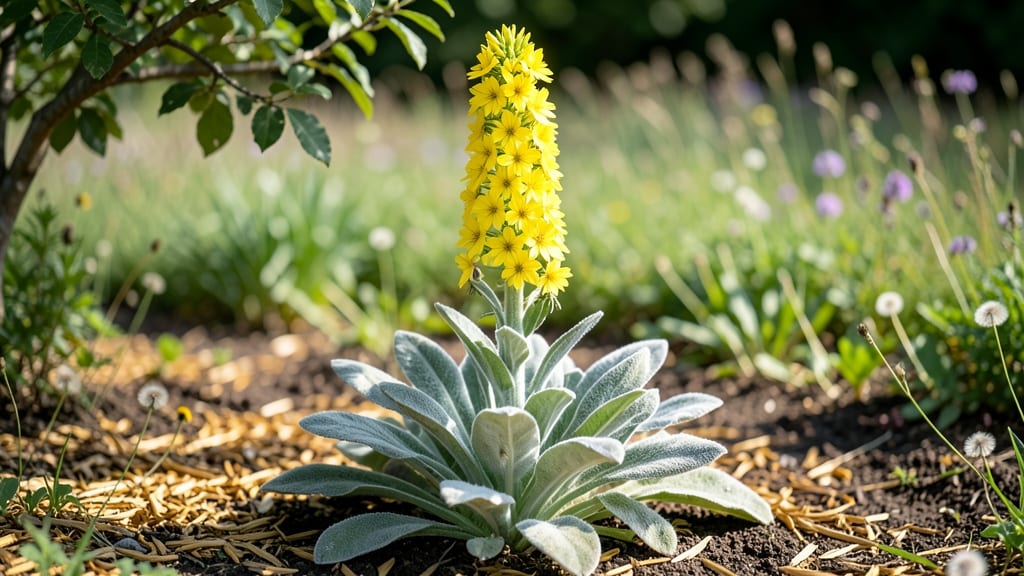
Growing mullein leaf is like inviting a tough, velvety survivor into your garden—it thrives where other plants fail. 🌿 I’ve watched this hardy perennial pop up in cracks of pavement and still produce those iconic fuzzy leaves year after year, needing almost no care.
The secret lies in its adaptability: it’s drought-resistant, pest-proof, and blooms with golden candles that hum with pollinators. You’ll need full sun (at least 6 hours daily) and well-draining soil—even rocky or poor soil works. Plant seeds directly in spring or fall, pressing them just below the surface.
Water lightly until established, then let nature take over. Mullein’s deep roots mean it rarely needs extra water once settled. By midsummer, you’ll harvest those broad, soft leaves for tea, salves, or even as a culinary garnish.
The leaves taste slightly bitter but pack medicinal benefits, from soothing sore throats to healing minor burns. Plus, the plant’s striking height (up to 5 feet) adds vertical interest to any garden bed. Perfect for pollinator gardens, medicinal herb collections, or even as a low-maintenance border.
Once planted, mullein practically grows itself—just step back and admire its resilience.
📚 In This Guide
- What you need
- Instructions
- Tips and common mistakes
- Wrapping up and next steps
What you need
- ● Mullein seeds – 1–2 packets (about 100–200 seeds per packet; non-GMO, organic preferred)
- ● Well-draining soil – Loamy or sandy soil with pH 6.0–8.0 (amend with compost if needed)
- ● Sunlight access – Full sun (6+ hours/day) or partial shade
- ● Watering can or hose – For consistent, moderate watering
- ○ Garden gloves – Optional but recommended (to protect hands from prickly stems)
- ● Garden trowel or transplanter – For sowing seeds or transplanting seedlings
- ● Seed-starting tray (if indoors) – 4–6 inch pots or biodegradable seed pods
- ● Mulch (straw or wood chips) – To retain moisture and suppress weeds
- ● Pruning shears – For harvesting leaves or shaping plants
- ● Labeling tags – To track planting dates (mullein can self-seed!)
Step-by-Step instructions for planting mullein leaf
Here’s how to grow this hardy perennial with minimal fuss—just follow these simple steps.
🌱 Step 1: Choose the Right Location and Prepare the Soil
Mullein thrives in full sun—pick a spot that gets at least 6-8 hours of direct sunlight daily. This plant tolerates poor soil but grows best in well-draining, slightly rocky ground. If your soil is heavy clay, mix in sand or gravel to improve drainage.
I like to test the soil by squeezing a handful—if it clumps tightly, it’s too dense. Loosen the top 6 inches with a garden fork or tiller. Mullein’s deep roots appreciate airy soil, so avoid compacting it further after planting.
🌿 Step 2: Plant Seeds or Transplants at the Right Time
Sow seeds in early spring or late summer for best results. Scatter them lightly on the soil surface—mullein seeds don’t need deep planting. Press them into the top ¼ inch of soil and space them 12-18 inches apart for mature plants.
If using transplants, dig holes slightly wider than the root ball and plant at the same depth. Water deeply after planting to settle the soil. You’ll see first true leaves in 2-3 weeks—don’t rush watering until then, as damp soil can cause rot.
☀️ Step 3: Water Sparingly and Let It Grow Wild
Mullein is drought-tolerant once established, so water deeply once a week during the first growing season. After that, only water if the soil feels bone-dry 2 inches down. Overwatering is the biggest mistake—this plant prefers dry conditions.
Watch for yellowing leaves—this usually means too much moisture. If you live in a rainy climate, plant mullein on a slight slope to prevent waterlogging. Once mature, it rarely needs extra care beyond occasional weeding around the base.
✂️ Step 4: Harvest Leaves When Needed
Harvest leaves in early spring or late summer before the plant bolts. Use clean scissors to cut just above a leaf node—this encourages new growth. Never take more than ⅓ of the plant at once to keep it thriving.
Dry leaves quickly in a shady, well-ventilated area. They’re ready when crisp and brittle. Store in an airtight container for up to 1 year. Mullein’s medicinal properties peak when leaves are fully mature but still flexible.
⏰ Step 5: Enjoy Year-After-Year Growth
Mullein is a perennial, so it’ll return stronger each year. In late winter, trim back dead foliage to make room for new growth. This plant spreads slowly, so you can divide clumps every 3-4 years if needed.
Here’s the thing—mullein thrives on neglect. Once established, it needs almost no maintenance. Just let it grow wild, and you’ll have a low-effort, high-reward perennial for decades.
Tips & tricks for perfect mullein leaf planting
A few simple strategies will help you get the most out of this low-maintenance perennial.
Sunlight Secret: While mullein thrives in full sun, I've found that 6-8 hours of direct sunlight is the sweet spot for optimal leaf production. If your garden gets partial shade, choose the sunniest spot available—even just a few hours less can reduce leaf quality. Consider using reflective surfaces like light-colored walls or mulch to bounce extra sunlight onto the plants.
Soil Preparation Insight: The 6-inch deep loosening mentioned in Step 1 is crucial for mullein's deep taproots. Don't be tempted to skip this—compacted soil will stunt root growth and reduce the plant's drought tolerance. If you're working with heavy clay, mix in sand or gravel to improve drainage, but avoid adding organic matter which can make the soil too rich and encourage excessive leaf growth at the expense of root development.
Planting Timing Tip: The 2-3 week window for first true leaves to appear is your best indicator of successful planting. If you don't see these within that timeframe, gently check for moisture—either too much or too little can prevent germination. Remember, mullein seeds don't need deep planting, so keep them just ¼ inch below the surface for best results.
Harvest Strategy: When harvesting, always cut just above a leaf node to stimulate new growth. I've found that harvesting in early spring gives you the most tender leaves, while late summer harvests yield leaves with higher medicinal properties. Never take more than ⅓ of the plant at once—this ensures the plant can continue growing strong for years to come.
Pro Tips for Plant Mullein Leaf
- A few simple strategies will help you get the most out of this low-maintenance perennial.
- Sunlight Secret: While mullein thrives in full sun, I've found that 6-8 hours of direct sunlight is the sweet spot for optimal leaf production.
- Soil Preparation Insight: The 6-inch deep loosening mentioned in Step 1 is crucial for mullein's deep taproots.
Frequently asked questions
about growing plant mullein leaf—because even the hardiest perennials have their quirks! Here are answers to the most common queries to help you cultivate this resilient beauty with confidence.Can mullein grow in containers or just in the ground?
Mullein thrives in both! While it’s happy in open garden beds, it also adapts well to containers—just ensure the pot has drainage holes and is at least 12 inches wide. Use a well-draining soil mix, and place it in full sun for best results. Pro tip: Add a layer of gravel at the bottom to prevent root rot in pots.
How long does it take for mullein leaves to become large enough to harvest?
Patience pays off! Mullein grows slowly but steadily. You’ll see noticeable leaf growth after 4–6 weeks, but harvestable-sized leaves (6–12 inches long) typically take 2–3 months from sowing. First-year plants focus on root development, so harvest lightly or wait until the second year for full-sized leaves.
What’s the best way to harvest mullein leaves without harming the plant?
Harvest selective leaves from the base of the plant, leaving the younger growth intact. Use clean scissors or pruners to avoid tearing. Avoid cutting more than 1/3 of the foliage at once—mullein is drought-tolerant but benefits from gentle care. Best time: Early morning after dew has dried for maximum potency.
Is mullein safe for pollinators like bees and butterflies?
Mullein is a pollinator magnet—its fuzzy stems and flowers attract bees, butterflies, and beneficial insects. Unlike some invasive plants, it doesn’t harm ecosystems and even supports biodiversity. Bonus: Plant it near other pollinator-friendly species for a thriving garden hub!
Does mullein die back in winter, and how do I protect it?
Yes, mullein is deciduous and turns brown in cold climates (below 20°F/-7°C). No need to cover it—its woody base survives winter. In extreme cold zones, mulch lightly with straw or leaves to insulate roots. Spring surprise: New growth emerges early, often by late winter!
Can I use mullein leaves as a substitute for other herbs like comfrey?
While mullein shares some medicinal properties (e.g., respiratory support), it’s not a direct substitute for comfrey. Mullein is milder and better for external uses (e.g., poultices) or teas. For comfrey’s high potassium content, stick with that herb. Alternative tip: Try mullein in salves or infused oils for skin irritations!
Wrapping up and next steps
Growing plant mullein leaf is a rewarding journey—this hardy perennial thrives with minimal effort while offering so many benefits for your garden and wellness routine. Whether you’re drawn to its striking blooms, medicinal properties, or pollinator-friendly nature, mullein is a low-maintenance superstar that even beginner gardeners can master. 🌱
Ready to dive deeper? Start by planting a few seeds or seedlings this season and watch your mullein flourish! For extra inspiration, explore how to harvest and use mullein leaves in teas, salves, or garden remedies—your green thumb (and toolkit) will thank you. Happy growing! 🌿