
Planting
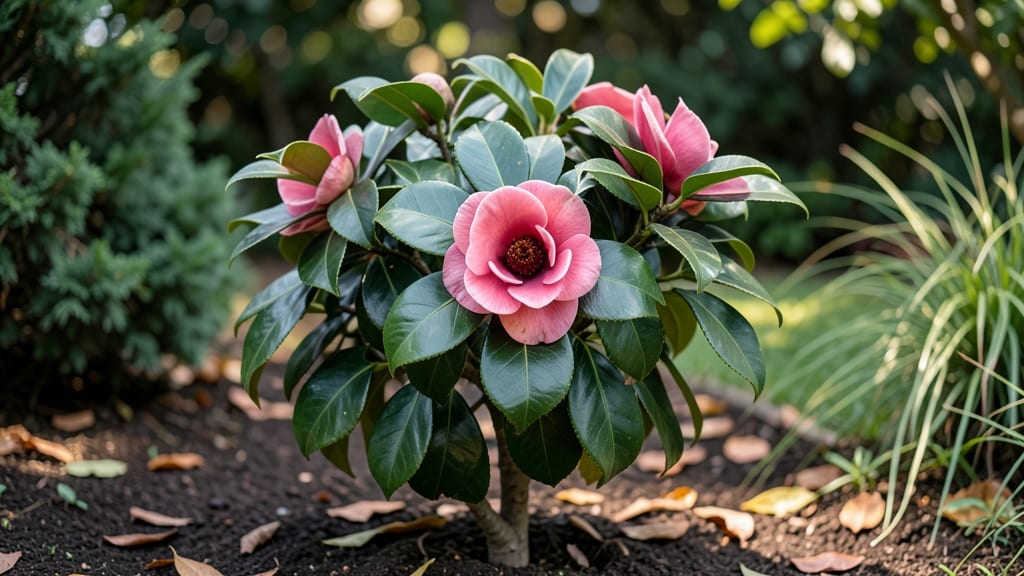
Growing a Korean tea plant means waking up to glossy, dark-green leaves that smell like a quiet forest morning. 🌿 These elegant shrubs—like Camellia japonica or Camellia sasanqua—thrive in temperate climates where winters dip below freezing but summers stay mild.
Unlike finicky houseplants, they reward patience with fragrant blooms and silvery undersides that shimmer in the breeze.
The secret to their success is simple: well-draining soil, morning sun, and consistent moisture—never soggy roots. I’ve watched mine flourish in partial shade too, especially in hotter zones where afternoon sun would scorch leaves.
Prune lightly after flowering to shape them, and you’ll avoid the leggy, bare-stem look that frustrates new growers.
By late spring, you’ll notice new growth pushing through old wood, and those first delicate blossoms appear—often scented like honey or citrus. The leaves stay lush all year, even in winter, and pests rarely bother them.
My plant’s only complaint? The neighbor’s cat insists on using it as a scratching post.
Whether you grow them for tea (yes, some varieties work!) or just love their glossy foliage, these plants handle neglect better than most. Start with a 5-gallon container if your zone’s cold, or plant directly in slightly acidic soil for best results.
The hardest part? Deciding which variety to try first.
📚 In This Guide
- What you need
- Instructions
- Tips and common mistakes
- Wrapping up and next steps
What you need
- ● Seeds or Saplings: 1–3 organic, non-GMO Korean tea plant seeds (or a 6–12-inch sapling from a nursery)
- ● Pro tip: Saplings grow faster but cost more; seeds are budget-friendly but slower to mature. 💡
- ● Growing Containers (if indoor/container gardening): 1–2 10–15 gallon pots with drainage holes (or a raised bed for outdoor planting)
- ○ Optional: Self-watering pots for convenience. 💧
- ● Soil: 5–10 gallons of well-draining, acidic soil (pH 5.0–6.0)—mix equal parts: Peat moss or coco coir
- ● Perlite or sand (for aeration)
- ● Compost (for nutrients)
- ● Fertilizer: 1–2 cups of balanced organic fertilizer (10-10-10 or 5-5-5 NPK ratio)
- ○ Optional: Slow-release granules or liquid seaweed fertilizer for extra nutrients. 🌿
- ● Basic Tools: 1 hand trowel (for transplanting)
- ● 1 pruning shears (sterilized with rubbing alcohol)
- ● 1 spray bottle (for misting seedlings)
- ○ Optional (But Helpful): Soil pH test kit (to monitor acidity)
- ● Humidity dome or plastic wrap (for seed germination)
- ● Drip irrigation system (for consistent moisture)
- ● Climate: USDA Zones 7–9 (or indoor grow lights for cooler climates)
- ● Light: 6+ hours of indirect sunlight daily (or full sun in partial shade)
- ○ Optional: Grow lights for indoor setups. 💡
- ● Water: Consistent moisture (avoid soggy soil—tea plants hate "wet feet")
- ● Patience: Tea plants take 2–3 years to produce harvestable leaves!
Step-by-step instructions for cultivating a thriving Korean tea plant
Here’s how I grow fragrant, healthy Korean tea plants with minimal fuss—once you get the basics right.
🌱 Step 1: Select the Right Location and Pot Size
The Korean tea plant (Rubus coreanus) thrives in partial shade to dappled sunlight, making it perfect for understory plantings or containers near a north-facing window. Choose a 5-7 gallon pot with drainage holes—these plants hate soggy roots. I use terracotta because it breathes and helps prevent root rot, especially in humid climates.
Fill the bottom third of the pot with well-draining soil mix (equal parts potting soil and perlite). The key here is avoiding compacted soil—Korean tea plants have delicate roots that need air circulation. If planting in ground, amend the soil with compost to improve drainage and fertility. You’ll see the difference in leaf vigor within weeks.
☀️ Step 2: Plant and Position for Optimal Growth
Place your Korean tea plant in the prepared pot or ground, ensuring the root ball sits just below the soil line—never deeper than it was in the nursery pot. Gently firm the soil around the roots to eliminate air pockets, but don’t compact it. Water immediately after planting to settle the soil and encourage root contact.
Position the plant where it receives morning sun and afternoon shade, especially in hotter climates. Too much direct sun scorches the leaves, while too little shade weakens growth. You’ll notice the plant’s glossy leaves develop a deeper green within 2-3 weeks—that’s your sign it’s happy. If leaves yellow, it’s getting too much sun.
💧 Step 3: Water and Fertilize for Lush Growth
Water the Korean tea plant once a week during the growing season, allowing the top 1-2 inches of soil to dry out between waterings. Overwatering is the fastest way to kill these plants—roots rot quickly in waterlogged soil. I use a moisture meter to check, but sticking your finger in the soil works just as well. In winter, reduce watering to every 2-3 weeks as growth slows.
Feed with a balanced liquid fertilizer (10-10-10) every 4-6 weeks during spring and summer. Dilute to half-strength to avoid burning the roots. The plant’s fragrant leaves will tell you if it’s thriving—rub a leaf between your fingers and inhale. A strong, sweet tea-like aroma means you’re doing it right. Weak or no scent? It’s time to adjust light or fertilizer.
✂️ Step 4: Prune and Maintain for Year-Round Fragrance
Prune in early spring to shape the plant and encourage bushier growth. Cut back leggy stems by one-third to promote branching. Always use clean, sharp pruners to avoid tearing the stems. Remove any dead or yellowing leaves immediately—they drain energy from the plant. I also pinch back new growth tips in summer to keep the plant compact and encourage dense foliage.
Mulch around the base with 2-3 inches of organic mulch (like shredded bark) to retain moisture and suppress weeds. This also protects roots from temperature swings. In containers, mulch isn’t necessary, but a layer of orchid bark on top of the soil helps retain moisture without compacting. Your goal? A plant that looks lush and smells amazing year-round.
⏰ Step 5: Overwinter for Next Year’s Growth
As temperatures drop below 40°F, move potted Korean tea plants to a cool, bright location (like an unheated garage or porch). Reduce watering to every 3-4 weeks and avoid fertilizing entirely. The plant enters dormancy naturally, so don’t worry if growth slows. In ground plants in mild climates may need a light mulch layer to insulate roots.
Prune lightly in late winter to remove any dead growth before new shoots emerge. This clears space for fresh, fragrant leaves. By early spring, you’ll see new growth—water lightly to encourage roots to establish in the new season. The cycle repeats, and with each year, your plant grows stronger and more fragrant.
Tips & tricks for perfect Korean tea plant cultivation
Mastering the care of these fragrant plants takes less effort than you'd think—here's how to avoid the common pitfalls that turn lush growth into leafy disappointments.
Soil Mixture Matters: The well-draining soil mix of equal parts potting soil and perlite is non-negotiable for Korean tea plants. I've learned the hard way that even a small amount of compacted soil can suffocate those delicate roots. If you're planting in ground, that compost amendment is crucial—think of it as giving your plant's roots a breath of fresh air. For container growers, I recommend adding a handful of orchid bark to the mix for even better aeration.
Light Positioning: That morning sun and afternoon shade balance is everything. I've seen plants go from vibrant green to sad yellow in just a week when moved to full sun. Here's my trick: if you're unsure about your location, test it for a few days first. Place a sheet of white paper near the spot—if it shows burn marks after a day in summer, it's too harsh. The leaves should stay glossy and dark green, never dull or pale.
Fertilizer Timing: The 4-6 week feeding schedule during spring and summer is perfect, but timing matters. Always fertilize in the morning when the plant is actively photosynthesizing. I also recommend mixing your fertilizer with water first, then applying—this prevents salt buildup that can burn those sensitive roots. And remember, half-strength is key; stronger concentrations will shock your plant rather than nourish it.
Pruning Strategy: When you're cutting back those leggy stems by one-third in early spring, don't just hack away. Make clean cuts just above a leaf node or bud—this is where new growth will emerge. I like to use my pruners to make a slight angle cut to prevent water from pooling on the stem. For summer pinching, focus on the tips of new growth rather than established stems. This encourages bushier growth and more of those fragrant leaves we're all after.
Pro Tips for Korean Tea Plant
- Mastering the care of these fragrant plants takes less effort than you'd think—here's how to avoid the common pitfalls that turn lush growth into leafy disappointments.
- Soil Mixture Matters: The well-draining soil mix of equal parts potting soil and perlite is non-negotiable for Korean tea plants.
- Light Positioning: That morning sun and afternoon shade balance is everything.
Frequently asked questions
Got questions about nurturing your korean tea plant? You’re not alone! Here are answers to the most common curiosities—from pruning to pests and beyond.
How often should I water my Korean tea plant?
Water moderately—about once a week (or when the top inch of soil feels dry). Overwatering can drown roots, while underwatering stresses the plant. Pro tip: Use well-draining soil and a pot with drainage holes to keep moisture balanced.
When and how should I prune my Korean tea plant?
Prune in early spring to shape the plant and encourage bushier growth. Use clean shears to trim back leggy stems by ⅓ and remove dead leaves. Avoid heavy pruning in fall—it can stunt winter recovery.
What pests commonly attack Korean tea plants?
Watch for aphids, spider mites, or whiteflies. Treat mild infestations with neem oil or insecticidal soap. For severe cases, isolate the plant and inspect the undersides of leaves regularly. Prevention: Keep the area clean and avoid overcrowding.
Can Korean tea plants grow indoors?
Yes! Place it near a bright, indirect-light window (east or north-facing is ideal). Rotate the pot monthly for even growth. If leaves yellow, it’s likely getting too much direct sun. A humidity tray helps mimic outdoor conditions.
How long until my Korean tea plant produces edible leaves?
With proper care, you can harvest young leaves in 6–12 months. Start with 2–3 leaves per stem and avoid taking more than ⅓ of the plant at once. Young leaves are tender and perfect for tea!
Wrapping up and next steps
Growing a Korean tea plant is a rewarding journey—its fragrant leaves and minimal care needs make it perfect for both beginners and seasoned gardeners. 🌱 With the right soil, sunlight, and a little patience, you’ll soon enjoy fresh, aromatic tea straight from your garden.
Whether you’re cultivating it for its beauty, health benefits, or the joy of self-sufficiency, every step brings you closer to a zero-fuss, high-reward harvest.
Ready to take the next step? Start small—plant a single cutting or seedling today! Experiment with different growing conditions, share your progress with fellow plant enthusiasts, and soon, you’ll be brewing your own Korean tea with pride. Your green thumb is closer than you think!