
Planting
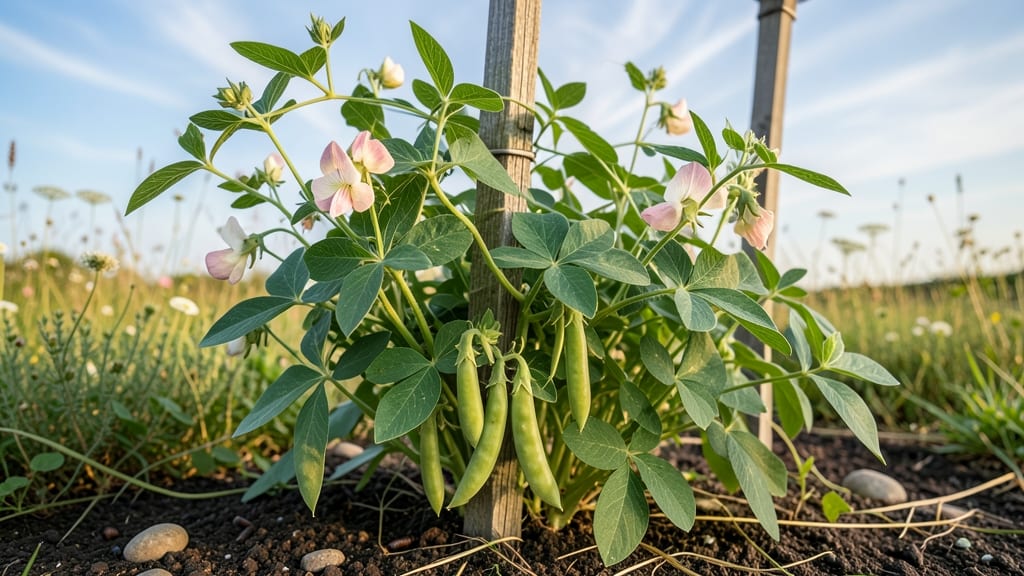
Pea plants grow to heights ranging from 1 foot to over 6 feet, depending on whether you choose dwarf or climbing varieties—each with its own space-saving or yield-boosting secrets.
If you're dreaming of a lush garden but limited on vertical space, understanding pea plant height could be the game-changer you need—especially when comparing dwarf varieties that stay under 12 inches to towering pole peas reaching 8 feet or more.
Dwarf peas like 'Tom Thumb' thrive in containers or tight corners, while pole varieties like 'Sugar Snap' need sturdy trellises to reach their full potential. The right choice depends on your garden layout, harvest goals, and even how quickly you want fresh peas on the table.
Below, I’ll break down the fastest-growing types, how to support them (or rein them in), and the simple tricks to maximize your harvest—whether you’ve got a balcony or a backyard.

Dwarf pea plant height: compact varieties for small gardens
If you're working with limited garden space but still want a bountiful pea harvest, dwarf pea varieties are your perfect solution. These compact plants typically reach just 6 to 12 inches tall, making them ideal for containers, window boxes, or tight garden beds.
Their bushy growth habit also means you can plant them more densely—up to 4 inches apart—without sacrificing yield or airflow.
One of my favorite compact options is the 'Tom Thumb' pea, which stays under 10 inches and produces sweet, tender pods perfect for snacking straight from the vine. Another great choice is 'Little Marvel', a semi-dwarf variety that tops out around 12 inches while delivering high yields.
Both thrive in cooler weather, making them excellent early spring or late fall crops in most USDA zones 3-9.
For the best results, plant dwarf peas in well-draining soil with a pH between 6.0 and 7.5. They prefer full sun (6+ hours daily), though they'll tolerate partial shade in hotter climates.
A light application of compost or balanced fertilizer (5-10-10) at planting time gives them a strong start without overstimulating leafy growth at the expense of pods.
Unlike their taller cousins, dwarf peas don't require staking or trellises, which saves both space and effort. However, you can still provide light support like small pea cages or mesh screens if you notice vines sprawling.
This keeps pods off the ground and makes harvesting easier. I've found that even in 5-gallon containers, a single 'Tom Thumb' plant produces enough pods for a family of four over several weeks.
When it comes to watering, dwarf peas need consistent moisture but hate soggy soil. Aim to water at the base every 3-5 days, providing about 1 inch of water per week.
Mulching with straw or grass clippings helps retain moisture and suppresses weeds. I've noticed that morning watering reduces fungal risks, especially in humid climates where pea plants can develop powdery mildew.
Harvesting dwarf peas is one of the most rewarding parts of growing them. Start checking for pods when they reach 2-3 inches long—they're ready when you can see the seeds inside but they're still tender.
The key is to pick pods regularly to encourage more production. I like to harvest every 2-3 days during peak production, which typically lasts 4-6 weeks depending on the variety and weather conditions.
For a second crop, try succession planting every 2-3 weeks in early spring or late summer. This extends your harvest window and maximizes your garden's productivity.
In my experience, dwarf peas perform best when planted 2-3 weeks before your last frost date, giving them time to establish roots before warmer weather arrives. They're also surprisingly cold-hardy, often surviving light frosts down to 20°F.
If you're growing dwarf peas in containers, choose pots with drainage holes and fill them with a lightweight potting mix mixed with compost. I've had great success using 10-20% compost by volume to improve fertility without compacting the soil.
For container growers, a slow-release fertilizer like osmocote at planting time provides steady nutrition without the risk of over-fertilizing.
One common mistake I see is overcrowding dwarf pea plants. While they're compact, giving them at least 3-4 inches of space between plants improves airflow and reduces disease risk.
Thin seedlings to the strongest plant per spot when they're about 2 inches tall. This might seem wasteful, but it pays off with healthier, more productive plants.
For a visually stunning display, interplant dwarf peas with lettuce, radishes, or carrots. These companions thrive in similar conditions and create a colorful, edible garden bed. I've also seen beautiful combinations with nasturtiums, which deter pests while adding vibrant flowers. Just
Pole pea plant height: how fast they climb and space requirements
Pole peas are the vertical superstars of the garden, shooting up to 6-8 feet tall with remarkable speed. Unlike their dwarf cousins, these vining peas don't just sprawl—they climb aggressively using tendrils, making them perfect for space-saving gardens or small urban plots.
Their rapid ascent means you can transform a bare wall or fence into a lush, edible green curtain in just 6-8 weeks.
What truly sets pole peas apart is their growth rate. Under ideal conditions—cool temperatures (50-75°F), full sun exposure, and moist but well-drained soil—they can grow 1-2 feet per week during peak season.
This means a 3-foot trellis could be fully covered in as little as 3-4 weeks, with harvests starting just 60-70 days after planting.
| Feature | Pole Peas | Dwarf Peas |
|---|---|---|
| Max Height | 6-8 feet | 6-12 inches |
| Growth Speed | 1-2 ft/week | 6-12 inches total |
| Trellis Needed | Yes (6+ ft tall) | No (bush variety) |
| Space per Plant | 2-3 inches apart | 4-6 inches apart |
| Yield Potential | High (vertical space) | Moderate (horizontal space) |
| Best For | Trellises, fences, small gardens | Containers, borders, ground cover |
To harness their climbing potential, install a sturdy trellis or fence before planting. Use metal or wooden frames with 1-inch mesh or string for vines to latch onto. Avoid plastic trellises—they can break under weight as pods develop.
For maximum yield, space plants 2-3 inches apart along the trellis, allowing vines to intertwine and support each other.
One of my favorite space-saving hacks is using vertical garden pockets or hanging fabric trellises for balconies. These let you grow pole peas in tiny spaces while keeping them off the ground to reduce pest risks.
Just ensure the structure can support 10+ pounds per plant at peak maturity—overloaded trellises collapse faster than you'd expect!
If you're comparing pole peas to dwarf varieties, the trade-off is clear: pole peas produce more pods per plant but require active training and support.
Dwarf peas, like 'Tom Thumb', need no trellis and thrive in containers or tight borders, but their total yield is 30-50% lower. For urban gardeners or renters, pole peas win for productivity per square foot.
Pro tip: Prune side shoots regularly to direct energy upward. Pinch off flower buds below the first 12 inches of the vine to encourage taller, stronger growth and delay overloading the trellis.
This simple trick can double your harvest by focusing resources on the main stem and upper pods.