
Planting
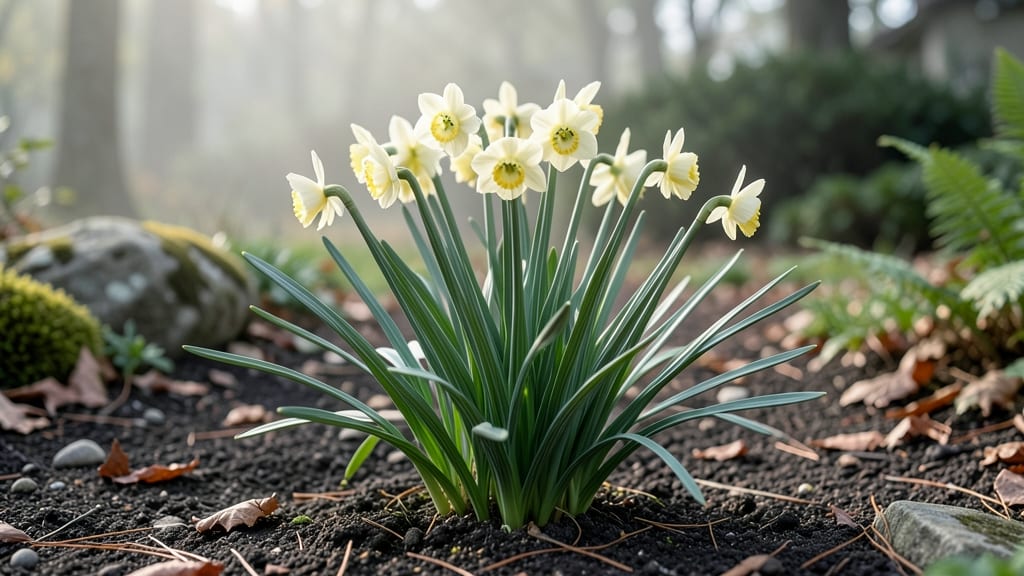
Growing Narcissus 'Pheasant's Eye' means bold spring color with almost no effort—just plant, forget, and watch them return year after year. 🌸 I fell for this daffodil the first time I saw its striking white petals with fiery orange centers popping against early spring's muted palette.
Unlike fussy annuals, these bulbs thrive on neglect, pushing through snow to announce spring with minimal fuss.
The secret lies in their low-maintenance nature: they love sunny spots, well-draining soil, and only need watering when the ground feels dry. My bulbs planted in fall 2022 are now in their third year, multiplying naturally while outshining store-bought spring flowers.
The best part? They're deer-resistant and multiply reliably, so you'll have more blooms each season without extra work.
You'll end up with clumps of cheerful blooms that brighten gardens from late winter through early spring, often before tulips even think about waking up. The fragrance—lightly sweet with a hint of spice—fills the air on crisp mornings, making your yard smell like a secret garden.
These aren't just flowers; they're the first reliable sign that winter's over.
Perfect for borders, woodland edges, or even container gardens—just plant them 6 inches deep in groups of 3-5 for maximum impact. Let me show you exactly how to get started without the overwhelm.
📚 In This Guide
- What you need
- Instructions
- Tips and common mistakes
- Wrapping up and next steps
What you need
- ● Bulbs: 3–5 Narcissus pheasant's eye bulbs (choose firm, plump bulbs with no soft spots).
- ● Well-draining potting mix or garden soil: 1–2 bags (amend garden soil with compost for better drainage).
- ○ Planting container (optional for pots): A 6–8 inch pot with drainage holes (or a sunny garden bed).
- ● Organic bulb fertilizer: 1 small bag (look for one high in phosphorus for root growth).
- ○ Mulch (optional but helpful): Straw or shredded bark to retain moisture and regulate soil temp.
- ● Trowel or small shovel for digging.
- ● Gloves (to protect your hands from sharp bulb edges).
- ● Watering can or hose with a gentle spray nozzle.
- ● Measuring tape or ruler (to ensure proper spacing).
- ● Slow-release fertilizer granules for long-term nourishment.
- ● Epsom salt (a pinch in planting water boosts magnesium for vibrant blooms).
- ● Decorative stones or pebbles to enhance the planting area.
Step-by-step guide to growing Narcissus pheasant's Eye bulbs
This hardy, low-maintenance variety thrives with just a few key steps—here's how to coax vibrant blooms from fall planting through summer.
🌱 Step 1: Select and Prepare the Planting Site
Choose a location with full sun to partial shade—6+ hours of sunlight daily produces the most robust blooms, though they tolerate light shade in hotter climates. The soil should drain well; these bulbs rot in soggy conditions. Amend heavy clay with 2-3 inches of compost or gritty sand to improve drainage.
Test your soil's pH—6.0 to 7.0 is ideal. If your soil is too acidic, mix in 1 cup of crushed limestone per square foot and till it in. I always plant mine in raised beds or containers if my native soil is particularly dense, as Pheasant's Eye bulbs hate competition from weeds or overcrowding.
🪴 Step 2: Plant Bulbs at the Right Depth and Spacing
Plant bulbs 6 inches deep and 4-6 inches apart—this variety's long, slender stems need room to anchor. Dig holes twice as wide as the bulb to encourage root spread. Place the bulb with the pointed end facing up; if it's difficult to tell, the flat side should rest against the hole's base.
Cover with soil and water deeply to settle it around the bulb. Mulch lightly with 1-2 inches of organic mulch (like shredded bark) to retain moisture and suppress weeds. Avoid heavy mulch piles—too much can smother the bulb's neck as it emerges in spring.
☀️ Step 3: Water and Fertilize for Spring Blooms
Water newly planted bulbs once a week until the ground freezes—consistent moisture helps roots establish before dormancy. In spring, resume watering when shoots appear, aiming for 1 inch of water per week. You'll see the first green leaves emerge in late winter to early spring, signaling the bulb is waking up.
Apply a balanced, slow-release fertilizer (like 10-10-10) at planting time, then again in early spring when shoots reach 3-4 inches tall. Avoid high-nitrogen fertilizers—they encourage leafy growth at the expense of flowers. I swear by a light feeding of 5-10-10 in late winter to boost bloom production without excessive foliage.
✂️ Step 4: Deadhead and Maintain Through the Season
Deadhead spent blooms by snipping the flower stem 1 inch above the lowest leaf—this redirects energy to next year's blooms. Leave the foliage until it yellows naturally; don't cut it back until 6-8 weeks after flowering. The leaves photosynthesize to build next year's bulb.
In late summer, reduce watering to prepare bulbs for dormancy. They thrive on neglect once blooming ends. If your climate gets very hot, a morning watering every 2-3 weeks keeps them from drying out completely.
⏰ Step 5: Mulch for Winter Protection and Repeat
After foliage dies back, apply 3-4 inches of mulch (like straw or pine needles) to insulate bulbs through winter. In mild climates, this layer may break down by spring; in colder zones, remove it in early spring to prevent rot. Pheasant's Eye bulbs multiply over time, so divide crowded clumps every 3-4 years in early fall for healthier blooms.
Here's the thing—once established, these bulbs need almost no care. The key is that first planting: get the depth and drainage right, and you'll have cheerful yellow blooms year after year with minimal effort.
Tips & tricks for perfect Narcissus pheasant's Eye growth
These hard-earned insights will help you avoid the most common pitfalls with this low-maintenance but fuss-sensitive bulb variety.
Soil Prep Secret: The 6.0-7.0 pH range is non-negotiable for these bulbs. I learned this the hard way after planting in slightly acidic soil—my first batch produced weak stems and sparse blooms. Grab a soil test kit from your local garden center ($10) before planting. If you're dealing with heavy clay, mix in that 2-3 inches of compost before planting; simply adding it after won't help the roots establish properly.
Planting Orientation Matters: That pointed end facing up isn't just tradition—it's biology. The bulb's growth point is at the tip, and planting it upside down will either fail to sprout or produce deformed stems. When in doubt, the flat side should rest against the hole's base. Pro tip: If you're planting multiple bulbs, mark the orientation with a small stick before covering them with soil.
Fertilizer Timing is Everything: The instructions call for that 5-10-10 feeding in late winter when shoots reach 3-4 inches—but here's what nobody tells you: the timing window is narrow. Apply it too early, and you'll get leafy growth without flowers. Too late, and you miss the bloom-boosting window. I set calendar reminders for both planting time and early spring feeding to ensure I don't miss either critical window.
Mulch Strategy for Different Climates: That 3-4 inch winter mulch recommendation works beautifully in cold zones, but in mild climates (Zone 7+), I actually reduce it to 1-2 inches. Thick mulch can cause rot in warm winters. For containers, I use a breathable fabric mulch that lets moisture escape while still insulating. And remember: remove mulch in early spring in cold zones to prevent soggy soil as temperatures rise.
Pro Tips for Narcissus Pheasant'S Eye
- These hard-earned insights will help you avoid the most common pitfalls with this low-maintenance but fuss-sensitive bulb variety.
- Soil Prep Secret: The 6.0-7.0 pH range is non-negotiable for these bulbs.
- Planting Orientation Matters: That pointed end facing up isn't just tradition—it's biology.
Frequently asked questions
When is the best time to plant Narcissus pheasant's eye?
The ideal planting window is fall (September–November) in most climates. This gives bulbs time to establish roots before winter dormancy. In warmer regions, plant in late fall or early winter to avoid summer heat stress. For spring blooms, plant at least 6–8 weeks before the ground freezes.
How much sunlight does this plant need?
Narcissus pheasant's eye thrives in full sun to partial shade (4–6 hours of sunlight daily). In hotter zones, afternoon shade helps prevent foliage scorching. Too little light? Expect fewer blooms. Too much? The leaves may yellow. Aim for a balanced spot—like near a tree or fence—for best results.
How often should I water Narcissus pheasant's eye?
Water moderately after planting to encourage root growth, then reduce watering once established. These bulbs are drought-tolerant! Water deeply 1–2 times per week during dry spells, but avoid soggy soil. Once blooming starts, water lightly to keep flowers vibrant without overfeeding the roots.
Are there any pests or diseases I should watch for?
While hardy, Narcissus pheasant's eye can attract narcissus flies, slugs, or bulb mites. Prevent pests by:
- Planting in well-draining soil to deter rot.
- Using organic mulch to block slugs.
- Inspecting bulbs before planting for signs of damage.
Can I grow Narcissus pheasant's eye in containers?
Plant 3–5 bulbs per 6-inch pot in a mix of potting soil and sand for drainage. Use containers with drainage holes and place them in sunny spots. Repot every 2–3 years to refresh soil. Bonus: Container-grown bulbs often rebloom more reliably!
Wrapping up and next steps
The Narcissus Pheasant’s Eye is a stunning, low-maintenance gem that brings year-round beauty to your garden with minimal effort. Whether you’re drawn to its delicate blooms or vibrant foliage, this plant proves that striking landscapes don’t require endless upkeep—just a little love and the right conditions. 🌸
Ready to transform your space? Start by planting one today—or even a few—and watch your garden thrive with effortless elegance. Happy gardening! 🌱