
Planting
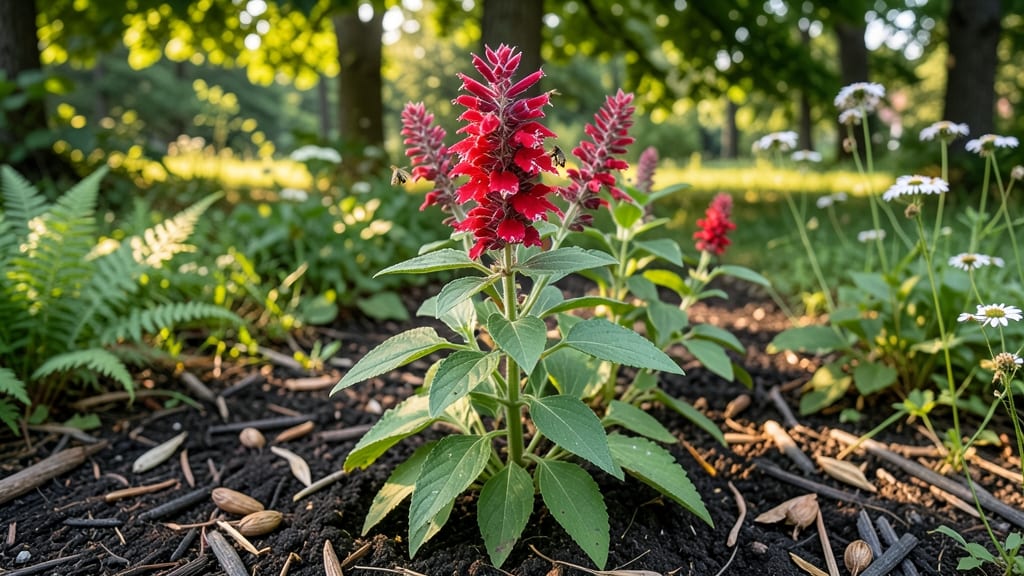
Monarda bee balm transforms your garden into a buzzing paradise—literally. 🌿 These vibrant plants attract hummingbirds, bees, and butterflies while doubling as a medicinal powerhouse with tea-potential leaves.
I planted mine last spring, and within weeks, my yard became a pollinator hotspot with 3-foot-tall spikes of pink, purple, or red blooms. The secret to success? Well-drained soil and full sun—monarda thrives where other plants struggle.
You’ll need about 2-3 feet of space between plants to prevent overcrowding, and regular pruning keeps them bushy and blooming all summer. The scent alone—citrusy and minty—makes deadheading worth the effort. By late summer, you’ll have a plant that’s both beautiful and useful.
Harvest leaves for tea (they’re caffeine-free and soothing), or let the flowers feed pollinators until frost. The roots even have traditional medicinal uses, though always research before consuming. Perfect for borders, cottage gardens, or even containers—just ensure good airflow to prevent mildew. Here’s how to grow yours without the guesswork!
📚 In This Guide
- What you need
- Instructions
- Tips and common mistakes
- Wrapping up and next steps
What you need
- ● Monarda seeds or nursery plants – Choose varieties like Monarda didyma (bee balm) or Monarda fistulosa (wild bergamot). Start with 3-5 plants for a small pollinator garden or 10+ for a full border.
- ● Well-draining potting mix – 10-20 lbs (for containers) or enrich garden soil with 2-3 inches of compost.
- ● Organic fertilizer (5-10-5 or balanced) – 1 lb to amend soil at planting time.
- ● Mulch (straw or shredded bark) – 2-3 inches to retain moisture and suppress weeds.
- ● Garden trowel or transplant spade – For digging holes (6-12 inches deep).
- ● Watering can or hose with gentle spray nozzle – Keeps soil moist without disturbing roots.
- ● Pruning shears – For trimming dead blooms (sharp, sterilized blades).
- ○ Gloves (optional but recommended) – Protects hands from thorns (in some varieties) and soil.
- ● Sunlight – Full sun (6+ hours/day) for best blooms; tolerates partial shade (4-6 hours).
- ● Soil pH – 6.0–7.0 (slightly acidic to neutral). Test soil with a pH kit if unsure.
- ● Spacious spot – Bee balm spreads 2–4 feet wide; leave 18–24 inches between plants.
- ● Pollinator-friendly companions – Plant echinacea, salvia, or coneflowers nearby for a buzzing garden!
- ● Drip irrigation system – Automates watering for busy gardeners.
- ● Pest control (neem oil or insecticidal soap) – Preempts aphids or Japanese beetles.
Step-by-Step guide to growing thriving Monarda bee balm
Here’s how to cultivate this vibrant pollinator favorite with minimal fuss.
🌱 Step 1: Select the Perfect Planting Spot
Monarda thrives in full sun to partial shade, with at least 6 hours of direct sunlight daily. I always look for a location with well-draining soil—this plant hates soggy roots. If your soil is heavy clay, mix in 2-3 inches of compost before planting to improve aeration.
Bee balm’s deep roots appreciate space, so plant 4-5 feet apart to allow airflow and prevent fungal issues. If growing in containers, choose pots at least 12 inches deep with drainage holes. The key is bright, airy conditions—this ensures strong stems and abundant blooms.
💧 Step 2: Plant at the Right Depth and Water Deeply
Dig a hole twice as wide as the root ball but only as deep. Place the plant so the top of the root ball sits level with the soil surface—burying too deep suffocates the crown. Gently backfill with native soil, pressing lightly to eliminate air pockets.
Water deeply right after planting to settle the soil and encourage root spread. The first soaking should moisten the soil 12-18 inches down. After that, water once weekly (or more in extreme heat) until the top 2 inches of soil feel dry. Overwatering leads to root rot, so always check moisture before adding more water.
☀️ Step 3: Fertilize Lightly for Strong Growth
Monarda isn’t a heavy feeder, but a balanced 10-10-10 fertilizer applied once in early spring jumpstarts growth. I use ½ teaspoon per plant sprinkled around the base, then water it in. Too much fertilizer results in lush foliage but fewer flowers—keep it light.
For organic gardeners, a layer of compost worked into the top 2 inches of soil in spring provides nutrients naturally. Avoid high-nitrogen fertilizers, which encourage leafy growth at the expense of blooms. The goal is moderate, steady growth—not rapid, weak stems.
✂️ Step 4: Prune for Health and Abundant Blooms
After the first flush of flowers fades, cut back stems by one-third to encourage a second bloom cycle. Use clean, sharp pruners to avoid tearing stems. Remove any dead or diseased foliage immediately—this prevents fungal spread and keeps the plant tidy.
In late fall or early winter, cut back all stems to 4-6 inches above the ground. This removes hiding spots for pests and strengthens next year’s growth. Never prune into old wood—always leave some green growth to sustain the plant through winter.
🪴 Step 5: Overwinter for Next Year’s Blooms
Monarda is hardy in USDA zones 4-9, but in colder climates, mulch heavily with 3-4 inches of straw or shredded leaves after the first hard frost. This insulates the roots and protects against freeze-thaw cycles that can heave plants out of the ground.
In mild winters, no special care is needed—just let the plant go dormant naturally. The following spring, remove old mulch and add fresh compost to replenish nutrients. You’ll see new growth within 2-3 weeks, signaling it’s ready for another season of pollinator support.
Tips & tricks for perfect Monarda bee balm growth
A few key strategies will help you cultivate bee balm that thrives year after year. Here's what I've learned from growing this pollinator favorite for seasons.
Soil Preparation: Before planting, test your soil's drainage by digging a hole and filling it with water. If it drains within an hour, your soil is suitable. For heavy clay, mix in 2-3 inches of compost and consider adding perlite or coarse sand to improve aeration. This mimics the plant's natural preference for well-draining, slightly acidic soil (pH 6.0-7.0). The extra effort prevents those dreaded soggy roots that lead to fungal issues.
Planting Depth: In Step 2, when you're planting, resist the urge to bury the crown too deeply. The top of the root ball should sit level with the soil surface—burying too deep suffocates the plant. I've seen many gardeners make this mistake, thinking deeper means more stability. Instead, create a slight mound of soil around the base to encourage roots to spread outward rather than upward. This builds a stronger root system for those deep roots to establish properly.
Watering Wisdom: That first deep watering after planting is critical—aim to moisten soil 12-18 inches down. I use a garden trowel to check moisture at that depth. After establishment, let the top 2 inches of soil dry out between waterings. The key is consistency: too much water causes root rot, while too little stresses the plant. In extreme heat, I water twice weekly to maintain that moisture balance without overdoing it.
Pruning Precision: When you cut back stems by one-third after the first bloom, use clean, sharp pruners to make clean cuts at a 45-degree angle just above a leaf node. This encourages bushier growth and prevents disease entry points. I've found that pruning in the morning gives the plant time to recover before evening moisture settles in. For winter pruning, never cut into old wood—always leave some green growth to sustain the plant through dormancy.
Pro Tips for Monarda Bee Balm Plant
- A few key strategies will help you cultivate bee balm that thrives year after year.
- Soil Preparation: Before planting, test your soil's drainage by digging a hole and filling it with water.
- Planting Depth: In Step 2, when you're planting, resist the urge to bury the crown too deeply.
Frequently asked questions
When is the best time to plant bee balm?
Plant Monarda in early spring (after the last frost) or early fall for best results. This gives roots time to establish before extreme summer heat or winter cold. If starting from seeds, sow them indoors 8–10 weeks before the last frost for a head start!
Why aren’t bees visiting my bee balm?
Bees love Monarda—if they’re skipping it, check these fixes:
- Timing: Blooms peak in late spring to summer. Wait until flowers open fully.
- Location: Plant in full sun (6+ hours/day) and avoid windy spots.
- Pesticides: Skip chemical sprays; bees need pesticide-free zones.
- Water: Keep soil moist but not soggy—drought stress reduces nectar.
Can I grow bee balm in containers?
Choose a 5-gallon+ pot with drainage holes and use well-draining potting mix. Dwarf varieties like ‘Marshall’s Delight’ thrive in containers. Place them in sunny spots (balconies, patios) and water daily in summer—containers dry out faster!
How do I prevent powdery mildew on my bee balm?
Powdery mildew (white fungal dust) loves Monarda’s lush foliage. Fight it with:
- Spacing: Space plants 18–24 inches apart for airflow.
- Watering: Water at the base (avoid wetting leaves).
- Pruning: Remove lower leaves to improve airflow.
- Fungicide: Spray with baking soda mix (1 tsp baking soda + 1 quart water + drop of soap) preventatively.
What can I use instead of bee balm for pollinators?
If Monarda isn’t your style, try these bee-friendly alternatives:
- Lavender (drought-tolerant, fragrant)
- Coneflower (Echinacea) (long blooms, low-maintenance)
- Salvia (hummingbird + bee magnet)
- Milkweed (Asclepias) (monarch butterfly host)
- Yarrow (Achillea) (tough, pollinator powerhouse)
Wrapping up and next steps
Growing Monarda bee balm isn’t just about adding beauty to your garden—it’s about nurturing pollinators, embracing sustainability, and even unlocking natural remedies! 🌿 With its vibrant blooms, hardy nature, and medicinal perks, this plant is a game-changer for eco-conscious gardeners.
Whether you’re a beginner or a seasoned green thumb, its low-maintenance charm makes it a must-have.
Ready to dive in? Start by picking your favorite variety, prepping your soil, and planting with confidence. Your pollinator friends—and your future herbal stash—will thank you! 🐝✨