
Planting
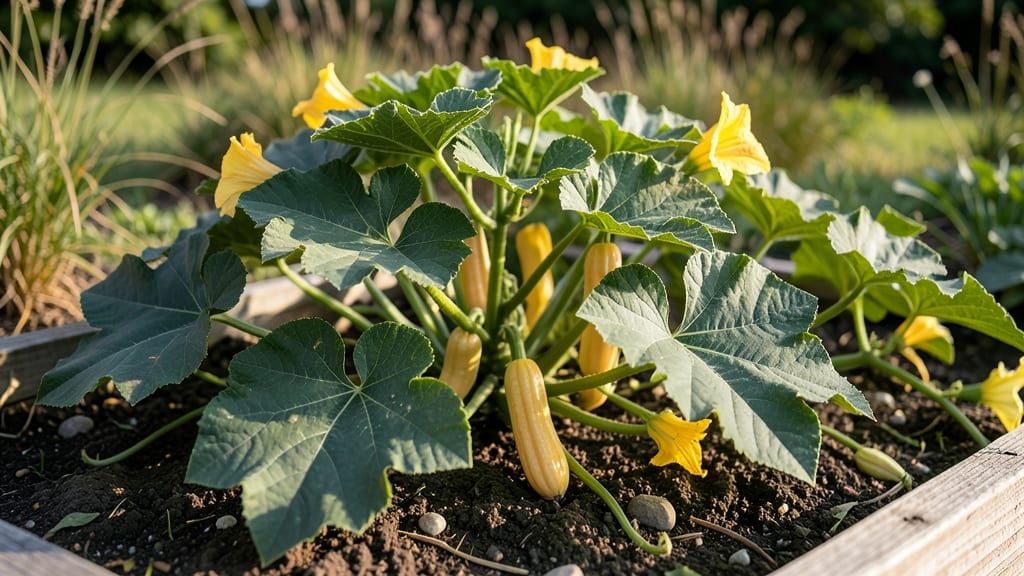
Growing banana squash plants lets you harvest sweet, prolific fruit even in small spaces. 🌱 I've learned that these vines thrive with just 3-4 feet of space and minimal fuss—perfect for backyards, patios, or even containers. The key is warm soil and consistent moisture.
Plant after your last frost when soil hits 60°F, and keep it evenly damp (not soggy). They love full sun but tolerate partial shade, making them adaptable for various climates. By midsummer, you'll see 10-15 squash per plant, each weighing 1-2 pounds.
The banana-shaped fruit ripens to a golden hue, and the flavor rivals store-bought—only better. For best results, pair with nasturtiums to deter pests and trellis the vines to save space. Even beginners get reliable harvests with this hardy variety.
📚 In This Guide
- What you need
- Instructions
- Tips and common mistakes
- Wrapping up and next steps
What you need
- ● Banana squash seeds: 3–5 seeds per plant (or 1–2 seeds per container if growing in pots). Opt for heirloom or hybrid varieties like 'Banana,' 'Gold Rush,' or 'Sugar Pie' for best results.
- ● Well-draining potting mix: 1–2 bags (10–15 quarts each) of high-quality, organic potting soil. Avoid garden soil unless amended with compost.
- ● Containers or garden bed: Containers: 5-gallon pots or larger (minimum 12" diameter and 12" depth per plant). Ensure pots have drainage holes.
- ● Garden bed: A sunny spot with at least 6–8 hours of direct sunlight daily. Space plants 3–4 feet apart if growing in the ground.
- ● Fertilizer: Balanced fertilizer (10-10-10 or 5-5-5): 1–2 tablespoons per plant at planting time.
- ● Compost or worm castings: 1–2 cups mixed into the soil for organic nutrients.
- ● Watering can or hose with a gentle spray nozzle: For consistent moisture without over-saturating the soil.
- ○ Mulch (optional but recommended): Straw or shredded leaves to retain moisture and suppress weeds.
- ● Trellis or cage: To support vines if growing in containers (banana squash can sprawl up to 10 feet!).
- ● Row covers or shade cloth: For early planting to protect seedlings from pests or late frosts.
- ● Pruning shears: To trim excess vines and encourage fruit production.
- ● pH test kit: To ensure soil pH is between 6.0–7.0 (banana squash prefers slightly acidic to neutral soil).
- ● Plant markers: To label varieties if growing multiple types.
Step-by-step guide to growing banana squash in containers
This space-saving method lets you grow sweet, prolific banana squash even on patios or balconies.
🌱 Step 1: Select and Prepare Your Growing Space
Banana squash thrives in containers that are at least 5 gallons each—they need room for sprawling vines. Choose containers with drainage holes to prevent root rot, which banana squash plants hate. I like using fabric grow bags because they allow excess water to evaporate through the sides, keeping roots healthy.
Place your containers in a spot that gets full sun—at least 6-8 hours daily. Morning sun is ideal because it gives the plants gentle warmth without the intense afternoon heat that can stress young vines. If you're in a hot climate, provide afternoon shade during the peak summer months to prevent wilting.
🌿 Step 2: Plant Your Banana Squash Seeds or Transplants
Start with seeds or young transplants after your last frost date when soil temperatures reach 60°F or warmer. If planting seeds, sow them 1 inch deep in the center of each container. I like to plant 2-3 seeds per container and thin to the strongest seedling once they sprout—this ensures you don’t lose your harvest if one seed fails to germinate.
If using transplants, choose healthy ones with 3-4 true leaves and sturdy stems. Gently remove them from their nursery pots and place them in the prepared containers, burying the root ball up to the first set of leaves. Water immediately after planting to help settle the soil around the roots and remove any air pockets.
☀️ Step 3: Provide Support and Consistent Care
Banana squash vines grow long and heavy, so install a sturdy trellis or cage in each container before the plants start climbing. I use a 5-foot-tall tomato cage for each plant—it gives the vines plenty of room to sprawl without taking over your space. Secure the trellis firmly so it doesn’t tip over as the fruit develops.
Water deeply 2-3 times per week, ensuring the soil stays consistently moist but not soggy. The top inch of soil should feel dry to the touch before watering again. Mulch the soil surface with 2-3 inches of straw or shredded leaves to retain moisture and keep roots cool. Watch for yellowing leaves, which can signal overwatering or poor drainage.
🍽️ Step 4: Fertilize and Monitor for Fruit Development
Feed your banana squash plants every 3-4 weeks with a balanced, organic fertilizer like a 10-10-10 mix. I like to use a slow-release granular fertilizer for convenience, but liquid fertilizers work well too. Follow the package instructions for dosage—over-fertilizing can lead to excessive foliage growth at the expense of fruit production.
Once flowers appear, hand-pollinate them by gently shaking the vines in the morning to transfer pollen. Banana squash flowers are self-pollinating, but a little help ensures better fruit set. After pollination, you’ll see small squash developing—harvest them when they reach 6-8 inches in length for the best flavor. Regular harvesting encourages more fruit to develop.
✂️ Step 5: Prune and Maintain Through the Season
Prune any yellow or diseased leaves immediately to keep the plant healthy and focused on producing fruit. I also pinch off any suckers (small shoots that grow from the base of the main stem) to direct the plant’s energy toward fruit development rather than extra foliage. This keeps the plant manageable and improves air circulation.
As the season progresses, continue to monitor for pests like squash bugs or aphids. Remove any affected leaves or use an organic insecticidal soap if needed. By mid-to-late summer, your banana squash plants should be producing an abundance of fruit. Keep harvesting regularly to encourage continuous production throughout the season.
Tips & tricks for growing banana squash in containers
Here’s what I’ve learned after growing banana squash in containers for years—these tricks make all the difference for healthy plants and bountiful harvests.
Container Size Matters: While the instructions call for at least 5-gallon containers, I’ve found that 7- to 10-gallon containers work even better for banana squash. These larger containers give roots more room to spread, which translates to bigger vines and more fruit. If you’re limited on space, go for the biggest container you can find—your harvest will thank you.
The Heat Factor: Banana squash loves warmth, but those 6-8 hours of full sun need to be just right. If your plants start wilting in afternoon heat, move containers to a spot with morning sun and afternoon shade. I’ve also seen success using shade cloth (30-50%) during peak summer afternoons, especially in hot climates. This prevents stress while still giving plants plenty of light.
Support System Tips: That 5-foot-tall tomato cage works, but I’ve had better luck with heavier-duty trellis systems or even repurposed wire cages from garden centers. The key is securing it firmly—banana squash vines can get surprisingly heavy with fruit! I tie the main vines to the trellis with soft garden twine every few feet to prevent breakage during storms or strong winds.
Watering Wisdom: The instructions mention watering 2-3 times per week, but I’ve learned to check soil moisture daily during hot weather. Stick your finger an inch into the soil—if it’s dry, water thoroughly until it runs out the drainage holes. Mulching with 2-3 inches of straw helps retain moisture, but don’t skip the drainage holes! Waterlogged roots lead to root rot, which banana squash plants absolutely hate.
Pro Tips for Banana Squash Plant
- Here’s what I’ve learned after growing banana squash in containers for years—these tricks make all the difference for healthy plants and bountiful harvests.
- Container Size Matters: While the instructions call for at least 5-gallon containers, I’ve found that 7- to 10-gallon containers work even better for banana squash.
- The Heat Factor: Banana squash loves warmth, but those 6-8 hours of full sun need to be just right.
Frequently asked questions
Got questions about growing banana squash plants? You’re not alone—this versatile, space-friendly crop has its own quirks! Here are answers to the most common concerns to help you grow like a pro.
How long does it take for banana squash to mature?
Banana squash typically matures in 90–110 days from transplanting, depending on the variety. Vines grow aggressively, so expect rapid progress once flowers appear. Keep an eye out for fruit development—once the skin turns dull yellow and the stem hardens, it’s ready to harvest!
Can banana squash grow in containers or small spaces?
Banana squash thrives in large containers (at least 15–20 gallons) or raised beds, especially if you prune vines to control sprawl. Use trellises or cages to save space, but avoid overcrowding—each plant needs 3–4 feet of room to flourish.
What pests or diseases should I watch for?
Common threats include squash bugs, cucumber beetles, and powdery mildew. Prevent issues with row covers early in the season and neem oil sprays for fungal diseases. Inspect leaves regularly—early intervention is key!
How do I store harvested banana squash?
Store squash in a cool (50–55°F), dry, and well-ventilated spot for 2–3 months. Avoid refrigeration—it speeds up spoilage. Cure squash for 5–10 days in warm (80–85°F) conditions before storing to harden the skin and extend shelf life.
What’s a good alternative if banana squash doesn’t grow well in my climate?
Try butternut, acorn, or delicata squash—they’re equally productive and adaptable. For shorter seasons, opt for bush varieties (like ‘Waltham Butternut’) or fast-maturing hybrids. All offer sweet, nutritious harvests with less fuss!
Wrapping up and next steps
Growing banana squash is a rewarding adventure—whether you're a seasoned gardener or a curious beginner! 🌱 This versatile plant thrives in small spaces, delivers a bountiful harvest, and even adds a pop of color to your garden.
With the right care, you’ll enjoy fresh, flavorful squash year-round (or at least for an extended season) and maybe even inspire others to try their hand at growing it.
Ready to take the next step? Start by planting a few seeds this season and experiment with varieties that suit your climate. Share your progress with fellow gardeners—you might just spark a new passion for growing!