
Planting
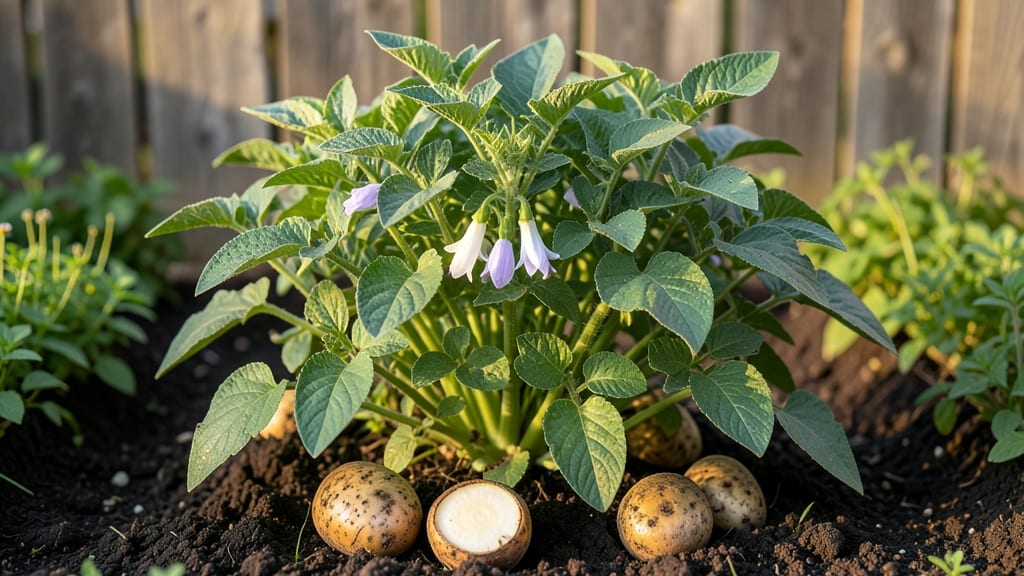
Lenticels on potatoes are small, raised spots that form naturally as the skin breathes and exchanges gases. They’re harmless, but excessive exposure to light can turn them green—indicating solanine buildup, which may require peeling or cooking thoroughly for safety.
Those tiny, raised bumps on potato skins are called lenticels, and they serve an important purpose—they help the potato "breathe" by allowing oxygen and carbon dioxide to pass through the skin. 🌱 While they’re completely safe to eat, their appearance can signal whether your potatoes have been stored properly.
When exposed to too much light, these spots can turn green, which means solanine levels might be rising. This compound is naturally present in potatoes but becomes more concentrated when they’re exposed to sunlight or stored in bright conditions.
If you notice greenish lenticels, it’s best to peel the potato before cooking to avoid any potential bitterness or stomach upset.
However, if they’re just the normal light brown spots, you can safely enjoy them with the skin on—just make sure to store your potatoes in a cool, dark place to prevent further greening.
💡 In This Article
- What Are Potato Lenticels and Why Do They Develop?
- Safe Handling: When to Keep, Peel, or Cook Potatoes with Lenticels
What are potato lenticels and why do they develop?
Lenticels are tiny, spongy pores that form naturally on potato skins as part of the plant's respiratory system. Think of them like microscopic breathing holes—these raised spots allow oxygen to enter and carbon dioxide to escape, a process called gas exchange.
During a potato's growth, these pores develop as the skin thickens, typically appearing as light brown or tan bumps ranging from 0.5mm to 3mm in diameter. Their size and density vary by potato variety, with russets often showing more prominent lenticels than red or Yukon golds.
The formation begins when the potato tuber is still underground, as the plant's skin (periderm) develops specialized cells called complementary cells that create these porous structures.
This happens during the tuberization phase, when the plant redirects energy from leaves to underground storage organs. 🌱 What's fascinating is how these lenticels function similarly to human lungs—just on a microscopic scale.
When stored properly in dark, cool conditions (45-50°F), they remain dormant and harmless, but light exposure triggers a different reaction entirely.
Here's where it gets important: when potatoes are exposed to light—especially sunlight—the lenticels can turn green due to chlorophyll production. This isn't just about looks; it's a survival mechanism.
The plant's cells detect light and begin producing chlorophyll in the lenticels, which then triggers the production of solanine, a natural toxin that acts as a defense against pests.
Solanine levels typically increase 10-20 times in green areas compared to normal potato skin, which is why you might notice a slightly bitter taste.
The greening process happens in stages: first, the lenticels darken slightly, then develop green spots, and finally turn uniformly green if exposure continues. This progression isn't linear—it depends on factors like light intensity, temperature, and potato variety.
For example, Kennebec potatoes tend to green more quickly than Fingerlings due to their thinner skins. The key is understanding that these aren't just cosmetic changes—they're biological responses to environmental stress.
Interestingly, the same lenticels that allow gas exchange can become pathways for moisture loss when potatoes are stored improperly. In a humid environment (above 85%), lenticels can absorb excess moisture, leading to sprouting.
Conversely, in dry conditions (below 50%), they accelerate moisture loss, causing shriveling. This dual role explains why proper storage—cool (40-50°F), dark, and humid (85-90%)—is crucial for maintaining potato quality.
What most people don't realize is that lenticels play a role in flavor development too. When cooked with the skin on, these porous spots can help infuse subtle earthy notes into dishes like roasted potatoes or potato leek soup.
However, if they're green, those flavors can take on an unpleasant bitterness that cooking alone may not fully eliminate—hence the importance of peeling in such cases.