
Planting
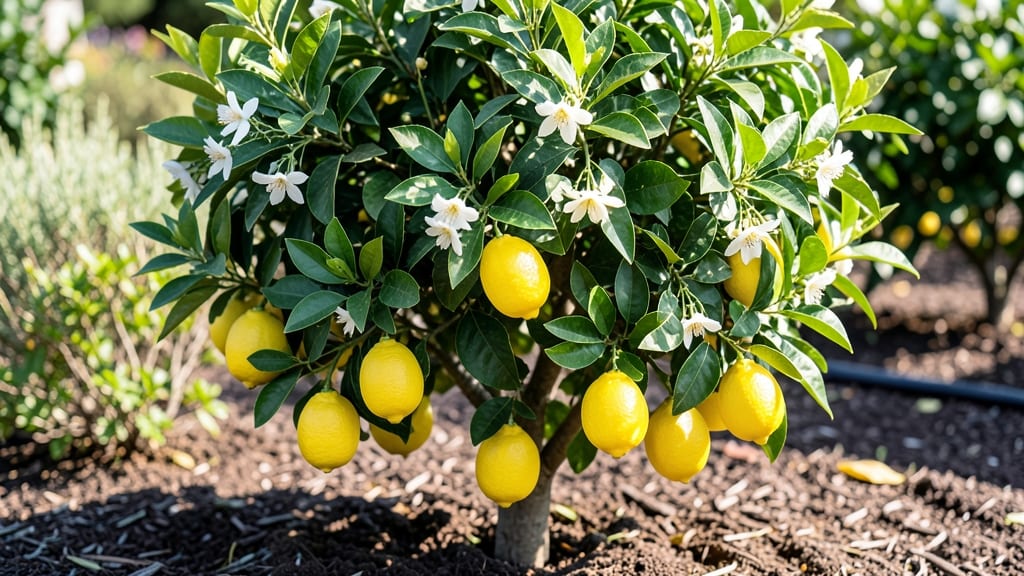
Growing the vibrant Lemon Bomb Plant (Cuphea ignea) is like cultivating a burst of sunshine in a pot—its fiery orange flowers and lush foliage bring instant energy to any space. 🌟 This compact perennial thrives in containers, making it perfect for patios, balconies, or even sunny windowsills, where it rewards gardeners with continuous blooms from spring to frost.
The key lies in mimicking its natural habitat: bright light, well-draining soil, and consistent moisture without soggy roots.
Start with a 6-inch pot filled with a mix of potting soil and perlite to ensure drainage, as Lemon Bomb Plants hate wet feet.
They love full sun (at least 6 hours daily) and tolerate heat well, but they’ll reward you with even more blooms if you place them where they get afternoon shade in sweltering climates.
Feed them every 4-6 weeks with a balanced liquid fertilizer during the growing season to keep those citrusy flowers popping—just avoid over-fertilizing, which can lead to leaf burn.
Pruning is minimal but keeps your plant bushy and blooming. Simply pinch back leggy stems in early spring to encourage branching, and deadhead spent flowers occasionally to redirect energy into new growth.
The real magic happens in 3-4 weeks after planting, when you’ll see a cascade of tiny, trumpet-shaped blooms that hum with pollinators. Their lemony scent adds a fresh twist to any outdoor setting.
Watch for common mistakes like underwatering (leaves will yellow) or overwatering (roots rot), and keep an eye out for spider mites if your plant gets too dry. With the right care, your Lemon Bomb Plant will thrive for years, becoming a standout feature in containers big or small.
Ready to bring some zesty charm to your garden?
📚 In This Guide
- What you need
- Instructions
- Tips and common mistakes
- Wrapping up and next steps
What you need
- ● Lemon Bomb Plant: 1 nursery-grown sapling (3–6 inches tall) or seeds (if propagating from scratch). Pro tip: 💡 Nursery plants grow faster and are less finicky!
- ○ Container: 1 large pot (12–18 inches in diameter) with drainage holes. Optional: Self-watering pots for convenience!
- ● Well-draining potting mix: 1 bag (1–2 cubic feet). Use a blend of cactus/succulent mix + perlite/pumice (20% by volume) for optimal aeration.
- ● Gravel or pebbles: 1–2 cups (for the pot’s drainage layer). 🌡️ Prevents root rot by keeping moisture away!
- ● Trowel or small shovel: 1 (for planting and soil adjustments).
- ● Gloves: 1 pair (thorn-proof if handling mature plants!).
- ● Watering can or hose with gentle spray: 1 (avoid overwatering—lemon bomb plants hate soggy roots!).
- ● Fertilizer: Balanced liquid fertilizer (10-10-10 or 20-20-20): 1 bottle (for early growth).
- ○ Citrus-specific fertilizer: 1 bottle (optional, for mature plants).
- ○ Mulch (optional): 1 bag (gravel or bark chips to retain moisture and deter weeds).
- ● Pruning shears: 1 (for shaping and maintaining size).
- ● Sunlight: A spot with 6+ hours of full sun daily (south- or west-facing windows/patios are ideal).
- ● Climate: USDA Zones 7–11 (or indoor growing with grow lights). ✨ Lemon bomb plants are frost-sensitive—bring pots indoors if temps drop below 20°F!
- ● Patience: Seed-grown plants may take 3–5 years to bear fruit, while nursery plants can fruit in 1–2 years.
Step-by-step instructions for growing Lemon Bomb plants in containers
Here's my foolproof method for coaxing these vibrant citrus hybrids to thrive in pots.
🌱 Step 1: Select and Prepare the Right Container
Choose a 5-7 gallon container with drainage holes—Lemon Bombs need room for their vigorous root systems. I prefer terracotta because it breathes and helps prevent root rot, especially in humid conditions. Add a 3-inch layer of coarse gravel at the bottom to improve drainage and prevent waterlogging.
This plant thrives in well-draining soil, so mix 2 parts potting mix with 1 part perlite or coarse sand. The goal is a loose, airy medium that mimics their native Mediterranean conditions. Fill the container to about 2 inches below the rim—you'll need space for the plant's mature size.
🌿 Step 2: Plant Your Lemon Bomb with Proper Spacing
Remove the plant from its nursery pot and gently loosen the roots if they appear circling. Lemon Bombs grow 6-8 feet wide at maturity, so plant just outside the root ball to encourage outward growth. Place it in the center of the container and fill the remaining space with your prepared soil mix.
Press lightly around the base to eliminate air pockets but avoid compacting the soil. The top of the root ball should sit 1 inch below the container's rim—this prevents water from spilling over during irrigation. Water thoroughly after planting to settle the soil and eliminate air gaps.
☀️ Step 3: Position for Maximum Sunlight and Airflow
Lemon Bombs demand full sun—at least 6-8 hours daily. A south-facing patio or balcony works best, but if you have limited sun, supplement with a grow light for 12-14 hours/day. I notice the most vibrant foliage and blooms when plants get morning sun and afternoon shade in hot climates.
Ensure good airflow by spacing containers 3-4 feet apart. This prevents fungal issues like powdery mildew, which I've seen ruin otherwise healthy Lemon Bombs. A small fan on low setting near the plants can help strengthen stems and improve disease resistance.
💧 Step 4: Water and Fertilize for Optimal Growth
Water when the top 2 inches of soil feel dry. These plants hate soggy roots, so always water at the base and avoid wetting the foliage. I use a drip irrigation system for containers to deliver consistent moisture without overwatering. In summer, you may need to water every 2-3 days, while winter care drops to once a week.
Feed with a balanced citrus fertilizer every 4-6 weeks during growing season. I switch to a low-nitrogen formula in late summer to promote blooming. Always water before fertilizing to prevent root burn—this is a common mistake that stunts growth.
✂️ Step 5: Prune and Maintain for Year-Round Blooms
Prune in late winter or early spring to shape the plant and encourage new growth. Remove any dead, diseased, or crossing branches first, then cut back up to one-third of the plant's height if needed. This stimulates bushier growth and more abundant blooms. Always use clean, sharp pruners to make 45-degree cuts just above a leaf node.
Deadhead spent blooms regularly to redirect the plant's energy into new flowers. I also pinch back new growth tips in early summer to promote a fuller shape. With proper care, Lemon Bombs will reward you with year-round blooms and occasional small, tart-sweet fruit.
Tips & tricks for growing vibrant Lemon Bomb plants
These pro-level insights will help you coax the most stunning blooms and lush foliage from your container-grown citrus.
Container Selection Wisdom: While terracotta is ideal for airflow, plastic containers retain more moisture—perfect for dry climates. If using plastic, add an extra inch of gravel at the bottom to compensate. I've seen Lemon Bombs thrive in glazed ceramic pots too, but avoid anything without drainage holes. The 5-7 gallon size is non-negotiable; these plants need room to spread their roots aggressively.
Soil Mix Secrets: The 2:1 potting mix to perlite ratio is perfect, but add 10% compost to boost nutrients without compacting the mix. I sift the perlite first to remove any fine particles that could clog drainage. For coastal areas, mix in 1 part coarse sand to mimic their Mediterranean habitat—this prevents salt buildup from irrigation water.
Sunlight Strategy: That 6-8 hour daily sun requirement is critical, but timing matters too. Morning sun (especially between 8am-10am) gives the plants gentle warmth to start their day, while afternoon shade prevents leaf scorch. In summer, I move my containers to partial shade by 2pm—this simple adjustment has prevented more browning than any spray I've tried.
Watering Hack: The "top 2 inches dry" rule works, but I use a moisture meter for accuracy—especially in summer when evaporation speeds up. For containers, I water until it runs freely from the drainage holes, then let it drain completely. This prevents the common mistake of leaving saucers full of standing water, which I've seen cause root rot within weeks.
Pro Tips for Lemon Bomb Plant
- These pro-level insights will help you coax the most stunning blooms and lush foliage from your container-grown citrus.
- Container Selection Wisdom: While terracotta is ideal for airflow, plastic containers retain more moisture—perfect for dry climates.
- Soil Mix Secrets: The 2:1 potting mix to perlite ratio is perfect, but add 10% compost to boost nutrients without compacting the mix.
Frequently asked questions
Got questions about growing your own lemon bomb plant? You’re not alone! Here are answers to the most common queries—from timing to troubleshooting—so you can grow this zesty beauty with confidence.
How long does it take for a lemon bomb plant to produce fruit?
A Citrus × limon ‘Lemon Bomb’ typically takes 3–5 years to bear fruit when grown from seed, but grafted plants may produce lemons in just 1–2 years. Patience is key—focus on healthy growth first!
Can I grow a lemon bomb plant indoors?
Yes! Place it near a south-facing window or under grow lights (12–16 hrs/day). Keep temps between 60–80°F and use a well-draining pot. Just avoid drafts—citrus hates cold surprises!
What if my lemon bomb plant’s leaves turn yellow?
Yellow leaves often signal overwatering or nutrient deficiency. Let the top 1–2 inches of soil dry out between waterings, and fertilize monthly with citrus-specific food. Check for pests too—aphids love tender new growth!
Are there dwarf varieties of lemon bomb plants?
While the classic ‘Lemon Bomb’ isn’t dwarf, you can find grafted citrus hybrids like ‘Meyer Lemon’ or ‘Calamondin’ that stay compact (3–6 ft). Prune regularly to control size, and choose a 5-gallon pot for container growth.
How do I pollinate my lemon bomb plant for fruit?
Hand-pollinate with a soft brush to transfer pollen between flowers. Do this on dry, sunny mornings when blooms are fresh. Bees help too—if outdoors, welcome them with nearby pollinator-friendly plants!
Wrapping up and next steps
Growing a lemon bomb plant is a rewarding way to bring vibrant citrus charm to your space—whether you’re a seasoned gardener or a curious beginner! 🌱 With the right container, sunlight, and care, you’ll enjoy fragrant blooms and even tiny lemons (or limes) in no time.
Remember, patience and consistency are key, so celebrate small wins along the way.
Ready to take the next step? Start with a healthy cutting or seedling and give your lemon bomb plant the love it deserves. Before you know it, your home—or balcony—will be bursting with zesty, citrusy beauty! 🌿