
Planting
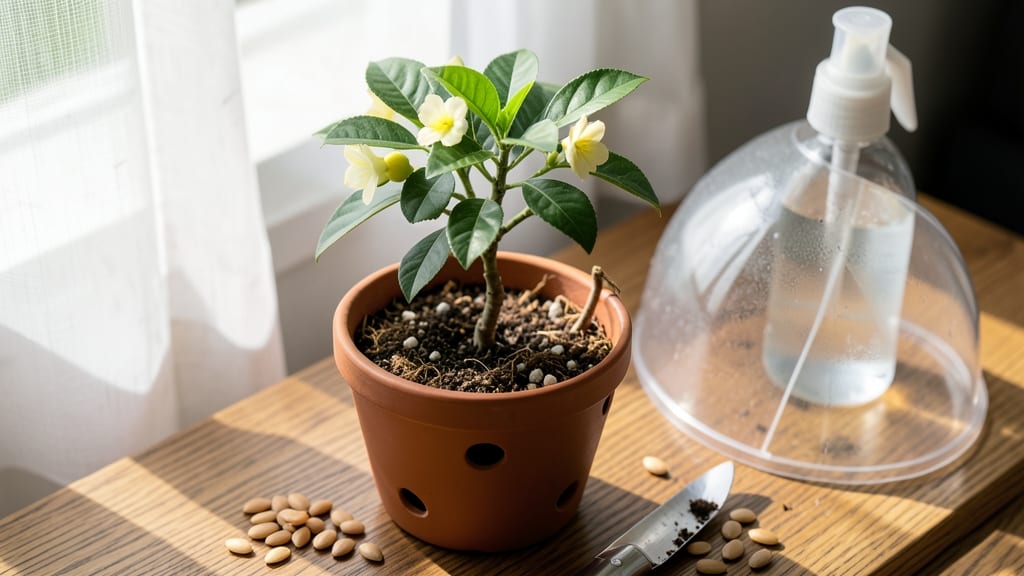
Planting lemon seeds at home turns kitchen scraps into a sunlit citrus tree journey—though it takes patience. 🌱 I’ve watched my first seedling grow from a wrinkled pit to a 3-foot sapling, and the process is simpler than you’d think, even if the results take years.
The key is mimicking the Mediterranean climate your lemon tree craves, right from the start.
You’ll need a well-draining potting mix (not garden soil), a shallow container with drainage holes, and a warm spot with bright, indirect light. Most beginners overwater or use the wrong soil—both kill seedlings before they sprout.
The secret? Keep the soil barely moist and never soggy, and use a mix designed for citrus or cacti to prevent rot.
Germination takes 3-6 weeks, and the first leaves will look like tiny ferns before developing the classic lemon shape. Once they’re 6 inches tall, you can transplant them into larger pots, but they’ll need 6-8 hours of sunlight daily and occasional fertilizer to thrive.
The real magic happens years later, when you’re harvesting fruit—but even the journey is worth it.
This method works for any citrus seed—lime, orange, or grapefruit—so don’t toss those scraps. Just remember: indoor lemon trees stay small, while outdoor ones in warm climates can grow into full-sized trees. Start now, and in a decade, you might just have your own lemonade orchard.
📚 In This Guide
- What you need
- Instructions
- Tips and common mistakes
- Wrapping up and next steps
What you need
- ● Lemon seeds: 2–4 fresh, organic seeds (from a ripe, organic lemon—avoid conventional lemons if possible, as they may be treated with pesticides).
- ● Small pots or seed trays: 2–4 (3–4 inches in diameter) with drainage holes. Plastic or biodegradable pots work well.
- ● Well-draining potting mix: A high-quality seed-starting mix or a blend of 50% peat moss and 50% perlite or coarse sand (sterilized).
- ● Spray bottle: For gentle watering (avoid over-saturating the soil).
- ○ Clear plastic wrap or plastic dome: To create a mini greenhouse effect (optional but helpful for humidity).
- ● Grow lights or sunny windowsill: A spot with 6–8 hours of indirect sunlight daily (south-facing windows or LED grow lights work best).
- ● Watering can or cup: For occasional deep watering once seedlings sprout.
- ○ Fertilizer (optional but recommended): A balanced, water-soluble fertilizer (5-5-5 or 10-10-10) diluted to half-strength for young seedlings.
- ● Heating mat: Keeps soil warm (70–80°F) to speed up germination.
- ● Humidity tray: A shallow tray with pebbles and water to maintain moisture around seedlings.
- ● Pruning shears: For trimming leggy seedlings later.
- ● Larger container: A 1-gallon pot for transplanting once seedlings are 6–12 inches tall.
Step-by-step instructions for growing a lemon tree from seeds
Turn that lemon peel into a living plant with this simple method—your kitchen scrap becomes a citrus tree!
🌱 Step 1: Extract and Prepare the Seeds
Cut open a fresh lemon and scoop out the seeds, rinsing them gently to remove pulp. Spread them on a paper towel and let them dry for 24 hours at room temperature. This prevents rot later. I like to place them in a single layer on the towel—crowding them can trap moisture and cause mold.
Once dry, store the seeds in a sealed container in the fridge for 1-2 weeks. This cold stratification mimics winter conditions and helps break seed dormancy. You'll know they're ready when they feel firm and slightly wrinkled to the touch—like tiny, dried-up marbles.
🪴 Step 2: Plant the Seeds in Moist Potting Mix
Fill a small pot (about 4 inches deep) with well-draining potting mix. Press it down lightly so the surface is firm but not compacted. Water it until the top inch feels damp but not soggy—like a wrung-out sponge. Plant 2-3 seeds per pot at a depth of about ½ inch.
Cover the pot with plastic wrap to create a mini greenhouse. Place it in a warm spot (around 70-75°F) away from direct sunlight. You'll see tiny sprouts in 2-4 weeks—watch for the first green tips pushing through the soil surface. This is your signal to remove the plastic wrap immediately.
☀️ Step 3: Provide Gentle Light and Care for Seedlings
Move the pot to a bright, indirect light spot. A south-facing window works well, but avoid harsh afternoon sun—it can scorch tender new leaves. Rotate the pot a quarter turn weekly so the seedlings grow straight instead of leaning toward the light.
Water when the top inch of soil feels dry. Stick your finger in the soil—if it's dry up to your first knuckle, it's time to water. Overwatering is the biggest killer of young citrus seedlings, so let the soil dry slightly between waterings. You'll notice healthy seedlings have glossy, deep green leaves and sturdy stems.
✂️ Step 4: Transplant and Prune for Strong Growth
Once seedlings reach 6-8 inches tall (usually after 3-4 months), choose the strongest one and transplant it into a 6-inch pot with fresh potting mix. Be gentle with the roots—citrus trees resent being disturbed. Water thoroughly after transplanting to help the soil settle around the roots.
Pinch off any yellow or damaged leaves with your fingers. This encourages new growth and keeps the plant focused on developing a strong structure. You'll see new leaves emerge within a week—that's your signal everything is working. Keep the pot in bright, indirect light and water consistently, but never let the soil stay soggy.
🌿 Step 5: Transition to Outdoor Conditions
After 6 months, when your lemon tree is about 12 inches tall, it's ready for outdoor life. Start by placing it outside in a sheltered spot for 2-3 hours the first day. Gradually increase its time outside over 1-2 weeks, moving it to a spot with morning sun and afternoon shade.
Citrus trees love warmth but hate cold drafts. If nighttime temperatures drop below 50°F, bring it back inside. You'll know it's adjusting well when it continues growing steadily and new leaves stay vibrant. With patience, your kitchen scrap could become a fruiting tree in 5-10 years—though fruit may take longer than foliage!
Tips & tricks for growing a lemon tree from kitchen scraps
These little-known tricks will help you turn your lemon seeds into a thriving citrus tree without the common pitfalls.
Seed Selection: Not all lemon seeds are created equal! Choose seeds from organic, fresh lemons—they're more likely to sprout successfully. I've found that seeds from the center of the fruit tend to germinate faster than those from the edges. If you're using store-bought lemons, look for ones that still have their green stems attached, as these often come from fresher fruit.
Cold Stratification Tip: The 1-2 weeks in the fridge is crucial, but don't skip the room-temperature drying first. That 24-hour drying period prevents mold from forming during cold storage. I've had seeds rot in the fridge when I skipped this step—don't make my mistake! Place a small piece of paper towel in the container with the seeds to absorb any excess moisture that might develop during storage.
Light Transition Strategy: When moving your seedlings to outdoor conditions after 6 months, start with morning sun only. The afternoon sun is much more intense and can burn tender new leaves. I've seen seedlings develop brown patches from too much direct sunlight too soon. Gradually increase their sun exposure over 1-2 weeks by moving them to slightly sunnier spots each day.
Watering Wisdom: The finger-in-soil test is your best friend for watering. If you're unsure whether to water, check again in 12 hours—citrus seedlings are remarkably resilient and can handle slightly drier conditions better than soggy soil. I've had seedlings recover from being underwatered, but never from root rot caused by overwatering. Let the top inch dry out completely between waterings to prevent that soggy soil situation.
Pro Tips for Plant Lemon Seeds At Home
- These little-known tricks will help you turn your lemon seeds into a thriving citrus tree without the common pitfalls.
- Seed Selection: Not all lemon seeds are created equal!
- Cold Stratification Tip: The 1-2 weeks in the fridge is crucial, but don't skip the room-temperature drying first.
Frequently asked questions
Got questions about growing your own lemon tree from seeds? You’re not alone! Here are some of the most common queries—and their answers—to help you along the way.
How long does it take for lemon seeds to sprout?
Patience is key! Lemon seeds typically sprout within 2 to 4 weeks if kept in warm, moist soil (around 70–80°F). If you don’t see sprouts after a month, gently check the soil moisture—it might need a little more hydration. Avoid overwatering, though, as soggy soil can rot the seeds.
Can I grow a lemon tree indoors from a seed?
Many growers start lemon seeds indoors in pots with drainage holes and a sunny windowsill or under grow lights. Just ensure the pot is at least 6–8 inches deep to accommodate root growth. As the tree matures, you may need to transplant it outdoors (if you live in a warm climate) or keep it as a houseplant.
When will my lemon seedling produce fruit?
Don’t expect lemons overnight—seed-grown lemon trees can take 3 to 5 years (or longer) to bear fruit. Grafted trees (common in nurseries) fruit faster, but seedlings are slower due to genetic variability. Focus on nurturing healthy growth first—bright light, regular watering, and occasional fertilizer will help!
What if my lemon seedling grows tall but no leaves?
This usually means the seedling is etiolated—stretched and weak from lack of light. Move it to a sunnier spot (or under grow lights) and prune the leggy stem just above a leaf node to encourage bushier growth. Avoid overcrowding, and ensure the soil stays moist but not waterlogged.
Can I grow a lemon tree from a store-bought lemon?
Yes! Just save the seeds from a fresh, organic lemon (avoid waxed or treated fruit). Rinse the seeds thoroughly to remove pulp, then plant them. Note that seed-grown trees may not produce fruit identical to the parent lemon—genetics can vary. For consistent fruit, consider grafting later or buying a grafted tree.
How do I protect my lemon tree in winter?
Lemon trees are tender perennials and can’t handle frost. If you’re in a cold climate, bring potted seedlings indoors near a sunny window or under grow lights. For outdoor trees, mulch the base, wrap the pot in burlap, or move it to a sheltered spot. Hard frosts (below 20°F) can kill the tree, so plan ahead!
Wrapping up and next steps
Growing a lemon tree from seed is a rewarding journey that turns kitchen scraps into a thriving plant! 🌱 With patience, the right care, and a little love, you’ll soon enjoy fresh lemons—or at least a stunning houseplant.
Once your seedling is strong, consider transplanting it outdoors (if your climate allows) or sharing cuttings with fellow plant enthusiasts.
Ready to take the next step? Start small—plant that seed today—and watch your green thumb grow! 🌟