
Planting
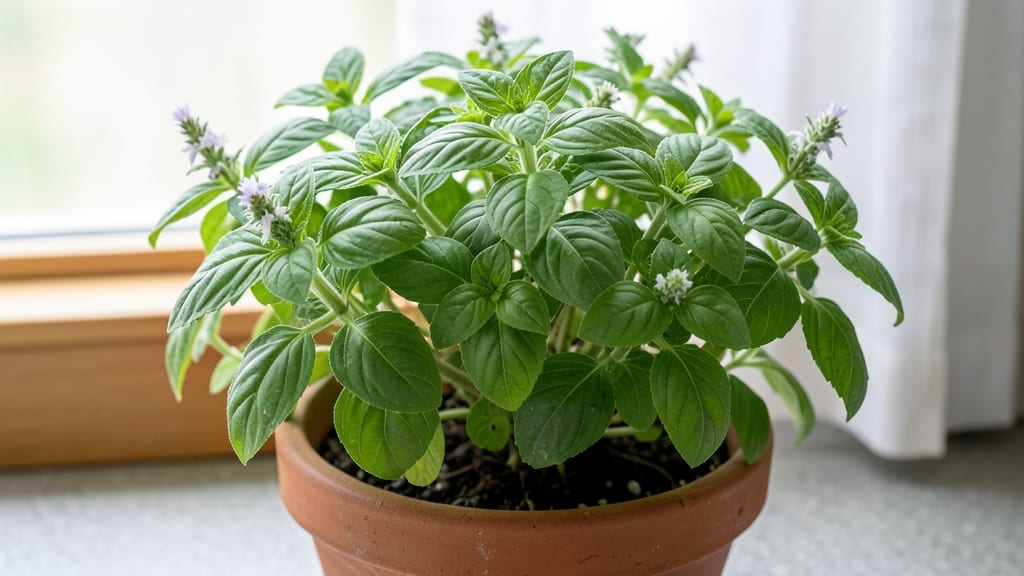
Growing the lemon basil herb plant can transform your kitchen into a fragrant herb haven with just a few simple steps. 🌿 This sun-loving herb thrives in containers, making it perfect for patios, balconies, or even sunny windowsills—no yard required.
The secret to success lies in matching its needs: bright light, well-draining soil, and consistent moisture without soggy roots.
Start with either seeds or cuttings—both work well, but cuttings root faster if you're impatient (I always choose this route). Plant in a pot with drainage holes, fill it with a light potting mix, and keep it in a spot where it gets at least 6 hours of sunlight daily.
The citrusy aroma alone makes the effort worthwhile, but the real payoff comes when you harvest fresh leaves for cooking.
Once established, lemon basil grows aggressively, so prune regularly to encourage bushier growth and prevent legginess. Pinch back the top sets of leaves when the plant reaches about 6 inches tall, and you'll soon have a lush, productive plant that keeps giving all season.
The first harvest comes in just 6-8 weeks from seed, and the flavor is unmatched by store-bought herbs.
This herb pairs beautifully with tomatoes, fish dishes, and even desserts, making it a versatile addition to any kitchen garden. With minimal care, you'll enjoy a steady supply of fresh lemon basil that's ready to harvest whenever you need it—no grocery store required.
📚 In This Guide
- What you need
- Instructions
- Tips and common mistakes
- Wrapping up and next steps
What you need
- ● Lemon basil seeds or seedlings: 3–5 seeds (or 1–2 seedlings) per container or garden spot.
- ● High-quality potting mix: 1–2 bags (sterile, well-draining mix with compost or coconut coir).
- ○ Containers (optional but recommended): 5–6 inch pots (for 1–2 plants each) or a 12-inch container (for 3–5 plants).
- ● Drainage holes (critical to prevent root rot!).
- ● Garden soil (if planting outdoors): Loamy, well-draining soil with organic matter (amend with compost if needed).
- ● Slow-release fertilizer: 1–2 tbsp (10-10-10 or organic option like fish emulsion).
- ● Hand trowel or small shovel (for planting).
- ● Watering can or spray bottle (gentle watering is key!).
- ○ Mulch (optional): Straw or shredded leaves to retain moisture.
- ● Pruning shears (for harvesting and shaping plants).
- ○ Sunlight monitor (optional): Track 6–8 hours of direct sun daily.
- ● A sunny spot (6+ hours of direct sunlight daily).
- ● Warmth (ideal temps: 70–85°F / 21–29°C).
- ● Patience! Lemon basil grows fast but loves consistent care. 💚
How to grow a thriving lemon basil herb plant
Here's how I grow lemon basil that stays bushy, fragrant, and productive all season long.
🌱 Step 1: Choose the Right Location and Containers
Lemon basil thrives in full sun—at least 6-8 hours daily. If you're growing in containers, place them where they'll get afternoon sun, which is ideal for its flavor development. I use 6-8 inch wide pots with drainage holes because basil roots need room to breathe but don't like soggy feet.
For garden beds, pick a spot with well-draining soil. If your soil is heavy clay, mix in 1-2 inches of compost to improve drainage. Lemon basil grows best in temperatures between 70-80°F, so avoid placing it in areas that get too hot or cold.
🌿 Step 2: Plant Lemon Basil Seeds or Transplants
If starting from seed, sow them ¼ inch deep in moist potting mix. Space seeds 12 inches apart if planting directly in the garden, or use individual pots for container growing. Keep the soil consistently moist until germination, which usually takes 7-14 days.
For transplants, dig a hole slightly larger than the root ball and place the plant at the same depth it was in its container. Gently firm the soil around the roots and water deeply to help settle everything. You'll know it's planted correctly when the soil looks evenly moist and the plant stands upright.
💧 Step 3: Water and Fertilize for Optimal Growth
Water lemon basil when the top inch of soil feels dry. Overwatering is the biggest mistake—it causes root rot and yellow leaves. I water at the base of the plant in the morning so the leaves stay dry, which prevents fungal diseases. Mulch around the base with 1-2 inches of organic mulch to retain moisture and keep roots cool.
Feed your lemon basil every 3-4 weeks with a balanced, water-soluble fertilizer diluted to half strength. Too much fertilizer can make the leaves taste bitter, so less is more. You'll notice healthy, vibrant growth when the leaves stay dark green and the stems feel firm to the touch.
✂️ Step 4: Prune and Harvest Regularly
Pinch off the flowers as soon as they appear to encourage more leaf growth. Flowering signals the plant to focus on seed production instead of leaves, which weakens the flavor. Use clean scissors or fingers to snip just above a set of leaves to promote bushier growth.
Harvest leaves in the morning when the essential oils are strongest. Cut stems just above a leaf node, leaving at least 3-4 inches of growth on the plant. Regular harvesting keeps your lemon basil productive and prevents it from becoming woody. You'll see new growth within a week of pruning.
☀️ Step 5: Protect and Maintain Through the Season
Watch for pests like aphids or spider mites, which love tender basil leaves. Spray the plant with a mix of 1 part water to 1 part rubbing alcohol if you spot any. This natural remedy kills pests without harming the plant.
In hot climates, provide afternoon shade during peak summer months to prevent leaf scorch. You'll know it's too hot when the leaves start curling or turning yellow. Bring potted basil indoors before the first frost, as it's a tender annual that won't survive freezing temperatures.
Tips & tricks for perfect lemon basil herb plant growth
Real talk: Growing lemon basil that stays fragrant and productive requires a few key tricks most gardeners miss. Here's what I've learned after watching my own plants go from sad to thriving.
Sunlight Strategy: Those 6-8 hours of sunlight in Step 1 are non-negotiable, but here's the secret: morning sun is great, but afternoon sun (especially between 12-4pm) is where the magic happens for flavor development. I've found that plants in containers need to be moved to sunnier spots as the season progresses—shade from nearby trees can sneak up on you. If you notice your basil's leaves losing their vibrant green color, it's a sign it's not getting enough light.
Container Size Matters: I can't stress enough how important those 6-8 inch wide pots are. Too small, and the roots get cramped, leading to stunted growth. I've made the mistake of using 5-inch pots, and my basil grew leggy and weak. For garden beds, remember the 12-inch spacing—this gives roots room to spread without competing for nutrients. If you're growing multiple plants, consider using larger containers (12+ inches) to reduce competition.
Watering Wisdom: The top inch dry test in Step 3 is perfect, but here's what nobody tells you: watering at the base in the morning isn't just about preventing fungal diseases—it's about giving the leaves time to dry completely before nightfall. Wet leaves overnight create the perfect conditions for fungal spores to take hold. I've had to rescue plants from powdery mildew because I ignored this simple rule. Also, never let water pool in saucers—empty them after 15 minutes to prevent root rot.
Pruning Payoff: When it comes to that 3-4 inch growth rule in Step 4, I've found that regular pruning actually stimulates new growth. Here's my trick: whenever I harvest, I look for the healthiest stems and cut just above a set of leaves that's growing outward. This encourages bushier growth rather than tall, leggy stems. And that flower pinching? It's not just about flavor—it redirects the plant's energy back into leaf production, keeping your harvest bountiful all season.
Pro Tips for Lemon Basil Herb Plant
- Real talk: Growing lemon basil that stays fragrant and productive requires a few key tricks most gardeners miss.
- Sunlight Strategy: Those 6-8 hours of sunlight in Step 1 are non-negotiable, but here's the secret: morning sun is great, but afternoon sun (especially between 12-4pm) is where the magic happens for flavor development.
- Container Size Matters: I can't stress enough how important those 6-8 inch wide pots are.
Frequently asked questions
Got questions about growing and using lemon basil? You’re not alone! Here are answers to the most common queries to help you cultivate this zesty herb like a pro.
How fast does lemon basil grow, and when can I harvest it?
Lemon basil grows fast—expect 6–8 inches in just 3–4 weeks! You can start harvesting leaves once the plant reaches about 6 inches tall by snipping the outer stems. For a bushier plant, avoid cutting more than ⅓ of the plant at once. Regular harvesting encourages more growth!
Is lemon basil frost-tolerant, or do I need to bring it indoors?
Nope, lemon basil is not frost-tolerant—it thrives in warm weather (70–85°F) and will die if exposed to temps below 32°F. If you live in a cold climate, grow it in containers and move it indoors before the first frost or treat it as an annual.
Can I grow lemon basil in water instead of soil?
Lemon basil does well in water propagation. Simply place a few stems in a jar of fresh water, keeping them in bright, indirect light. Change the water every 2–3 days and watch roots sprout in about 1–2 weeks. Once rooted, transplant to soil or keep it in water (just refresh the water regularly).
Why are my lemon basil leaves turning yellow or curling?
Yellow or curling leaves usually signal overwatering, pests (like aphids or spider mites), or nutrient deficiencies. Check the soil—it should be moist but not soggy. If pests are the issue, spray with neem oil or insecticidal soap. For nutrients, use a balanced liquid fertilizer every 4–6 weeks.
How is lemon basil different from regular basil, and can I substitute them?
Lemon basil has a bright citrusy flavor (like a mix of basil and lemon), while regular basil tastes more peppery and herbaceous. While you can substitute them in recipes, lemon basil shines in dressings, teas, and desserts, while regular basil is better for Italian or Thai dishes. For the best results, use them where their unique flavors complement the dish!
Wrapping up and next steps
Growing lemon basil is a rewarding journey that brings vibrant flavor and freshness to your kitchen—and your garden! Whether you’re a seasoned gardener or a beginner, this sun-loving herb thrives in containers or garden beds with just a little care.
Now that you’ve got the know-how, it’s time to plant, nurture, and enjoy the zesty rewards of your hard work.
Ready to take the next step? Start with a single pot or seed and watch your lemon basil flourish—soon, you’ll be harvesting enough for pesto, teas, and cocktails! 🌱✨ Happy growing!