
Planting
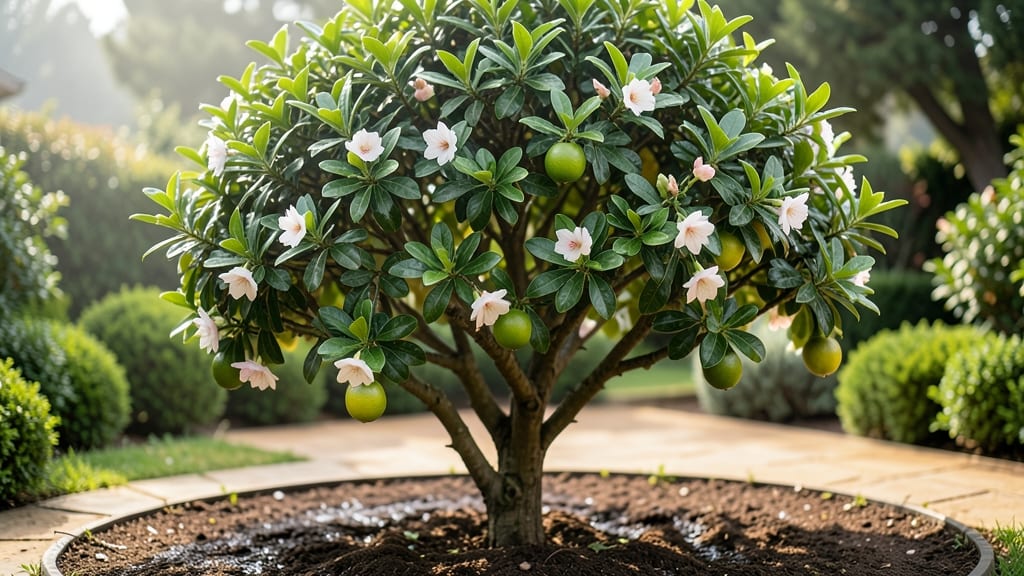
Growing a bergamot lemon plant means waking up to a kitchen bursting with that signature citrusy perfume. 🌿 I’ve nurtured these sun-loving beauties for years, and they’ve never failed to deliver—whether in pots on my patio or tucked into garden beds.
The secret lies in mimicking their Mediterranean roots: bright light, well-draining soil, and just enough water to keep roots happy without drowning them.
You’ll need a spot with at least 6 hours of direct sun daily, a mix of potting soil and perlite for drainage, and a container with drainage holes if growing indoors. Bergamot lemons thrive in zones 8-11, but container gardening extends their range.
Prune lightly after blooming to encourage bushier growth, and pinch back leggy stems in early spring. The payoff? Fragrant leaves perfect for teas, desserts, or simply brushing past for a burst of scent.
Common mistakes include overwatering (root rot is a silent killer) or placing them in shade (leggy, sparse growth). But once you nail the balance, these plants reward you with vibrant purple flowers and that intoxicating bergamot aroma.
My plants produce enough leaves for homemade Earl Grey tea by mid-summer—no store-bought substitutes needed.
Whether you’re growing for culinary uses, ornamental appeal, or just the joy of a fragrant garden, bergamot lemons are a low-maintenance superstar. Start with a single plant, and you’ll soon find yourself expanding your citrusy collection.
The first harvest is the best part—trust me, the smell alone is worth it.
📚 In This Guide
- What you need
- Instructions
- Tips and common mistakes
- Wrapping up and next steps
What you need
- ● Bergamot lemon plant: 1 nursery-grown sapling (3–6 inches tall) or
- ● Seeds (from fresh fruit, if available) or
- ● Rooted cutting (6+ inches long, with at least 3 nodes)
- ● Well-draining potting mix: 5–10 gallons (depending on pot size), mixed with 50% premium citrus potting soil
- ● 30% perlite or pumice
- ● 20% coarse sand or orchid bark
- ● Container: 1–2 gallon pot (for young plants)
- ● 5+ gallon pot (for mature plants, with drainage holes)
- ● Fertilizer: Balanced citrus fertilizer (e.g., 6-6-6 or 8-3-9), 1–2 tbsp per gallon of soil
- ● Watering can or spray bottle: With a fine rose nozzle for gentle watering
- ● Pruning shears: Sharp, sterilized (for shaping and harvesting)
- ● Grow lights: LED full-spectrum (12–16 hours/day) if indoors
- ● Humidity tray: For seedlings or low-humidity climates
- ● Mulch: Pine bark or straw to retain moisture
- ● pH test kit: To monitor soil (ideal pH: 6.0–7.0)
- ● Support stake: For heavy fruit-bearing plants
- ● Glove: To protect hands from thorns
Step-by-step guide to growing a thriving bergamot lemon plant
This fragrant citrus relative thrives with the right balance of sun, soil, and patience—here's how to coax its signature lemony scent and glossy leaves to life.
🌱 Step 1: Choose the Perfect Spot for Maximum Sunlight
Bergamot lemon plants demand full sun exposure—at least 6-8 hours daily. I always scout locations first: check the spot between 10am and 2pm on a clear day—if it's already baking hot, your plant will love it. South-facing windowsills or outdoor patios work best, but avoid afternoon shade that weakens growth.
If you're growing indoors, position it within 3 feet of a south-facing window. You'll notice the leaves start drooping by late afternoon if light is insufficient—that's your cue to move it closer or add a grow light. Outdoor plants need protection from harsh afternoon sun in hot climates, so a light shade cloth during peak hours prevents leaf scorch.
🪴 Step 2: Prepare Well-Draining Soil and the Right Container
Use a mix of 50% potting soil, 30% perlite, and 20% coarse sand to create ideal drainage. Bergamot lemons hate soggy roots—waterlogged soil causes root rot within days. Fill a container with drainage holes (at least 12 inches wide) with this mix, leaving 2 inches of space at the top for watering.
I always tap the pot gently after filling to settle the soil without compacting it. The surface should feel firm but still crumbly when squeezed. Add a 1-inch layer of small pebbles at the bottom if your pot lacks drainage holes—this creates an extra barrier against water pooling at the roots.
☀️ Step 3: Plant and Establish Proper Watering Routines
Remove the plant from its nursery pot and loosen the roots gently with your fingers. Place it in the prepared container so the top of the root ball sits ½ inch below the soil surface. Fill around the roots with your mix, pressing lightly to eliminate air pockets. Water thoroughly until moisture runs from the drainage holes—this helps settle the soil and removes any air gaps.
Water only when the top 1-2 inches of soil feel completely dry. Stick your finger in the soil: if it feels damp just below the surface, wait another day. Overwatering is the #1 killer of bergamot lemons. You'll see new growth within 3-4 weeks if moisture is just right—look for fresh, vibrant leaves emerging from the stems.
✂️ Step 4: Fertilize and Prune for Bushier Growth
Feed your plant every 4-6 weeks during spring and summer with a diluted citrus fertilizer (half-strength). I use a balanced 6-6-6 formula because bergamot lemons respond well to gentle feeding. Stop fertilizing in fall and winter—the plant enters a natural rest period. You'll notice slower growth but thicker stems during these months.
Prune leggy stems in early spring to encourage bushier growth. Cut back any branches that grow longer than 8 inches by ⅓ of their length, making cuts just above a leaf node. This redirects energy to side shoots, creating a fuller plant. Always sterilize your pruners with rubbing alcohol between cuts to prevent disease spread.
🌿 Step 5: Protect and Maintain Through Seasonal Changes
Move indoor plants outdoors in spring once nighttime temperatures stay above 50°F. Harden off gradually by placing them outside for 2 hours daily, increasing time over 10 days. Watch for leaf curling—this means they're adjusting to the change. Outdoor plants need winter protection if temperatures drop below 30°F, so move them to a garage or cover with frost cloth.
Inspect leaves weekly for pests like spider mites or scale insects. Wipe leaves with a damp cloth to remove dust, which helps the plant absorb more light. The fragrant leaves you love so much also attract beneficial insects—just don't overdo the cleaning, or you'll remove their natural defenses.
Tips & tricks for perfect bergamot lemon plant care
Common pitfalls—and how to sidestep every one when nurturing this fragrant citrus treasure.
Lighting Secret: That 6-8 hours of sunlight isn't just about quantity—it's about quality. I've learned the hard way that morning sun (before 10am) is gentler than afternoon rays. If you notice yellowing leaves by late afternoon, your plant is getting too much direct heat. Try moving it slightly eastward or using a sheer curtain to diffuse the intensity during peak hours. This simple shift prevents leaf scorch while maintaining the full sun requirement.
Soil Mix Upgrade: The 50-30-20 soil ratio might seem precise, but don't stress about exact measurements. What matters is the texture—your mix should crumble easily when dry but still hold moisture when damp. I often add a handful of orchid bark to improve aeration, especially for plants in smaller pots. The key is to ensure water drains within 15 minutes of watering; if it pools at the bottom after an hour, your mix needs more perlite.
Watering Confidence: That finger test for soil moisture works, but here's what nobody tells you—press gently at the 1-2 inch mark. If it feels like a damp sponge but not wet, it's ready. I've ruined plants by assuming "dry" meant "bone dry." Pro tip: Use a moisture meter for the first month to train your hand's sensitivity. The plant's growth rate will slow dramatically if you overwater, so err on the side of drier rather than soggy.
Seasonal Transition: The 50°F nighttime threshold for moving plants outdoors is your starting point, but don't rush it. I've seen plants go into shock when moved too quickly. Begin with just 2 hours in morning sun, then gradually increase exposure over 10 days. Watch for leaf curling—this means the plant is adjusting. For winter protection below 30°F, consider moving potted plants to an unheated garage where temperatures stay above freezing but humidity remains moderate.
Pro Tips for Bergamot Lemon Plant
- Common pitfalls—and how to sidestep every one when nurturing this fragrant citrus treasure.
- Lighting Secret: That 6-8 hours of sunlight isn't just about quantity—it's about quality.
- Soil Mix Upgrade: The 50-30-20 soil ratio might seem precise, but don't stress about exact measurements.
Frequently asked questions
Got questions about growing your own bergamot lemon plant?
Here are some of the most common queries—and their answers—to help you cultivate this fragrant citrus beauty with confidence.
How long does it take for a bergamot lemon plant to produce fruit?
A bergamot lemon plant typically takes 3 to 5 years to bear fruit after planting, depending on growing conditions. Younger plants focus on establishing roots and foliage, so patience is key! Provide full sun, well-draining soil, and consistent watering to encourage faster fruiting.
Can bergamot lemon plants survive winter? What’s the best way to protect them?
Bergamot lemon plants are tender perennials and struggle in frost. If you live in a cold climate (below 20°F/-7°C), grow them in containers and move them indoors or to a sheltered spot. Mulch the soil and wrap the pot in burlap for extra protection.
What’s the difference between bergamot lemon and regular lemon?
While both are citrus, bergamot lemons are hybrids of lemon and orange, with a distinctive floral, Earl Grey tea-like aroma. Their fruit is smaller, less acidic, and sweeter than regular lemons, making them ideal for culinary and aromatic uses.
Why are my bergamot lemon leaves turning yellow? What could be wrong?
Yellow leaves often signal overwatering, underwatering, or nutrient deficiencies. Check the soil moisture—it should be damp but not soggy. Yellowing on older leaves may indicate natural aging, while new leaves turning yellow could mean iron deficiency. Adjust care and consider a citrus-specific fertilizer.
Can I grow a bergamot lemon plant indoors? What do I need to know?
Yes! Bergamot lemons thrive indoors with 6+ hours of sunlight daily (a south-facing window or grow lights work). Use a well-draining pot, water when the top inch of soil is dry, and maintain humidity with a pebble tray. Prune regularly to encourage bushier growth.
Wrapping up and next steps
Growing a bergamot lemon plant is a rewarding journey that brings fragrant blooms, zesty citrus, and a touch of Mediterranean charm to your space. Whether you’re drawn to its aromatic leaves, delicious fruit, or low-maintenance care, this sun-loving plant is perfect for both beginners and seasoned gardeners.
With the right soil, light, and a little patience, you’ll soon enjoy its vibrant citrusy scent and sweet-tart rewards!
Ready to take the next step? Start with a healthy plant—whether from a nursery or a seed—and give it the love it deserves. Soon, your garden (or kitchen windowsill!) will be filled with the bright, citrusy magic of bergamot lemons. 🌱✨