
Planting
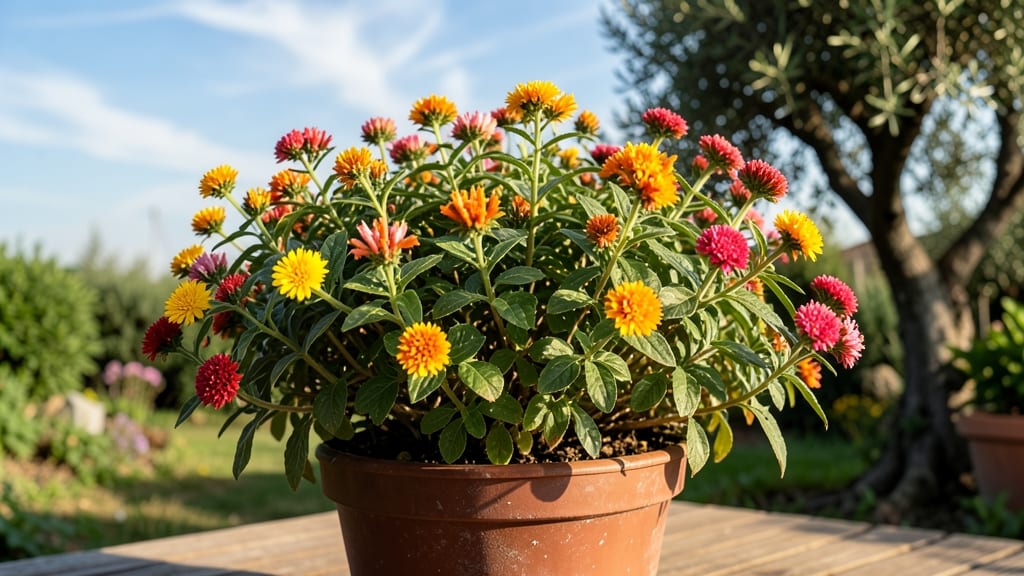
Growing lantana in Arizona isn’t just possible—it’s a drought-proof powerhouse that turns your yard into a nonstop summer showstopper. 🌵 I’ve watched mine transform from wilting nursery plants to vibrant, heat-loving shrubs that bloom from May until frost, even with zero extra water after the first month.
The secret? Matching its natural desert roots to Arizona’s brutal sun and dry air.
Lantana thrives in full sun (6+ hours daily) and well-draining soil—rocky, sandy, or even poor soil won’t stop it. Skip the rich amendments; this plant loves infrequent deep watering (every 2-3 weeks once established) and zero humidity fuss.
Plant in spring after last frost, spacing them 3-4 feet apart to give roots room to spread. The key is letting the soil dry completely between waterings—overwatering is the fastest way to kill it.
Pruning keeps lantana compact and blooming like crazy. Trim back 1/3 in early spring to encourage bushier growth, and deadhead spent flowers to trigger more blooms.
Watch for spider mites (common in Arizona’s dry heat) and powdery mildew if humidity spikes—neem oil or a sharp spray of water usually fixes it. With minimal effort, you’ll get butterfly magnets that handle 110°F heat like it’s a cool morning.
Perfect for xeric gardens, firewise landscapes, or as a pollinator superstar in containers. Once established, lantana’s roots dive deep for moisture, making it one of Arizona’s most low-maintenance, high-reward plants. Ready to make your yard a bloom-filled oasis without the water bill? Let’s get started.
📚 In This Guide
- What you need
- Instructions
- Tips and common mistakes
- Wrapping up and next steps
What you need
- ● Lantana plants: 3–5 healthy nursery-grown Lantana camara plants (choose drought-tolerant varieties like 'New Gold' or 'Bandana Series').
- ● OR 1–2 lbs of lantana seeds (if starting from scratch).
- ● Well-draining soil: 50 lbs of cactus/succulent mix or native Arizona soil amended with 20% perlite/pumice.
- ● 1–2 lbs of slow-release fertilizer (10-10-10 or 5-5-5 blend).
- ● Sunlight access: Full sun (6+ hours daily) in a south/west-facing location.
- ● Watering tools: 1–2 gallon watering can or drip irrigation kit (for efficient hydration).
- ● Mulch (1–2 inches of gravel or organic mulch like straw).
- ● Hand trowel (for planting/seeding).
- ● Garden gloves (to protect from thorns/spines).
- ● Pruning shears (for shaping and deadheading).
- ● Measuring tape (to space plants 18–24 inches apart).
- ○ Optional but helpful: Soil pH tester (ideal range: 6.0–7.0).
- ● Pest control spray (neem oil for aphids/mealybugs).
- ● Stakes or trellis (if growing trailing varieties).
How to plant lantana in Arizona for year-round color
This is the foolproof method I use to keep lantana blooming through Arizona’s brutal summers.
🌱 Step 1: Choose the Right Variety for Arizona’s Climate
Lantana thrives in Arizona’s heat, but not all varieties perform equally. I recommend New Gold or Bandana Series for their heat tolerance and drought resistance. These varieties handle 105°F+ temperatures without wilting, while others may struggle. Look for established plants at local nurseries—they’ll already be hardened to your region’s conditions.
If starting from seed, expect 6-8 weeks until transplanting, but seedlings won’t match the vigor of nursery-grown plants. Here’s the thing—lantana grows aggressively, so choose a spot where it can spread 3-5 feet wide without crowding other plants. Its deep roots also suppress weeds naturally, saving you from constant weeding.
☀️ Step 2: Select the Perfect Sun-Drenched Location
Arizona’s intense sun is ideal for lantana, but placement matters. Pick a spot with full sun exposure (6+ hours daily) and well-draining soil—lantana hates soggy roots. I always plant mine near the foundation or along fences where they’ll get maximum heat reflection from pavement or walls.
Test your soil by digging a 6-inch hole—if water pools after 30 minutes, amend with 2-3 inches of coarse sand or gravel mixed into the top 12 inches of soil. Lantana tolerates poor soil but won’t thrive in heavy clay. Watch for yellowing leaves after planting—this often means poor drainage, not overwatering.
🪴 Step 3: Plant at the Right Depth and Spacing
Dig a hole twice as wide as the root ball but no deeper—lantana roots spread horizontally, not vertically. Gently loosen the roots if they’re circling the pot, but don’t tease them apart excessively. Place the plant so the top of the root ball sits ½ inch above ground level—settling soil can bury the stem over time.
Space plants 3-4 feet apart for single-stem varieties or 2-3 feet apart if you want a dense hedge. I’ve seen lantana grow into thick mounds when spaced closely, but airflow between plants prevents fungal diseases. Backfill with native soil, then water deeply to eliminate air pockets. Don’t fertilize immediately—new plants need time to establish roots before feeding.
💧 Step 4: Water Deeply but Infrequently
Lantana’s drought tolerance is legendary, but proper initial watering sets the stage. Water once weekly for the first month until the soil 6 inches deep feels moist. After that, water every 10-14 days unless you’re in a heatwave—then increase to biweekly. The key is deep watering: soak the root zone until water runs out the bottom of the hole.
Overwatering is the #1 mistake I see—lantana’s thick leaves fool people into thinking it needs more moisture. If leaves yellow or drop, you’re likely watering too often. Instead, let the soil dry completely between waterings. Once established, lantana can survive on natural rainfall alone in most Arizona winters.
✂️ Step 5: Prune for Bushier Growth and Season-Long Blooms
Pruning isn’t just about shaping—it’s how you get continuous flowers. Cut back leggy stems by ⅓ their length in early spring to encourage dense, bushy growth. I also trim back any woody stems that appear after the first flush of blooms. This might seem counterintuitive, but lantana blooms on new growth, so regular pruning keeps it flowering.
Deadhead spent blooms by pinching off clusters just above a set of leaves. This prevents seed formation and redirects energy into new flowers. In late summer, give your lantana a light haircut to remove any straggly growth before the monsoon season. The result? Nonstop color from spring through fall, even in Arizona’s hottest months.
Tips & tricks for perfect Arizona lantana planting
These pro-level insights will help you avoid common pitfalls and maximize your lantana's vibrant performance in Arizona's extreme climate.
Variety Selection Matters: When choosing between New Gold and Bandana Series, consider your specific needs. New Gold offers a golden-yellow bloom that's perfect for sunny spots, while Bandana Series provides a rainbow of colors that attract pollinators. I always opt for nursery-grown plants over seedlings—they're already hardened to Arizona's conditions and will bloom within weeks rather than months. The 6-8 week seedling timeline is only for those with patience and space to nurture them through Arizona's intense summers.
Soil Preparation Strategy: That 30-minute water pooling test in Step 2 is your golden opportunity to prevent root rot. If you find your soil drains poorly, mix in coarse sand or gravel—not just any old sand. Playasand or mason sand works best as it won't compact like fine beach sand. For heavy clay soils, consider building a raised bed with a mix of native soil and 50% perlite for even better drainage. This extra step prevents the yellowing leaves you might see from poor drainage rather than overwatering.
Pruning for Continuous Blooms: The key to nonstop color lies in that early spring pruning—cutting back leggy stems by ⅓ their length isn't just about shaping. This aggressive pruning forces the plant to produce multiple new growth points, each capable of producing flowers. I've seen lantana go from sparse winter growth to lush, flowering bushes in just 6 weeks after this treatment. Remember, lantana blooms on new growth, so regular pruning throughout the season maintains that vibrant display.
Watering Wisdom: The once-weekly watering for the first month might seem excessive, but it's crucial for establishing deep roots. After that, the 10-14 day schedule might feel shocking—especially in Arizona's heat—but this is what builds drought tolerance. I've seen lantana survive on just monsoon rains after proper establishment. The trick is deep watering: soak until water runs out the bottom of the hole. This encourages roots to grow deep where they can access moisture during dry spells.
Pro Tips for Lantana Plant Arizona
- These pro-level insights will help you avoid common pitfalls and maximize your lantana's vibrant performance in Arizona's extreme climate.
- Variety Selection Matters: When choosing between New Gold and Bandana Series, consider your specific needs.
- Soil Preparation Strategy: That 30-minute water pooling test in Step 2 is your golden opportunity to prevent root rot.
Frequently asked questions
Got questions about growing lantana in Arizona’s scorching climate? You’re not alone!
Here are answers to the most common queries—from planting tips to troubleshooting—so you can keep your drought-resistant beauty blooming year-round.
Is lantana invasive in Arizona?
Lantana can spread aggressively in some regions, but it’s not classified as invasive in Arizona. To prevent overgrowth: Prune regularly, avoid overwatering, and plant in containers if your yard is small. Native pollinators love it, but keep it contained to avoid crowding other plants.
When is the best time to plant lantana in Arizona?
Plant lantana in early spring (March–April) or late summer (August–September) to avoid extreme heat. Young plants struggle in 100°F+ temps, so give them a head start in partial shade for the first 2 weeks. Mature plants thrive in full sun year-round!
How often should I water lantana in Arizona’s heat?
Once established, lantana is drought-tolerant—water deeply 1–2 times per month during dry spells. New plants need weekly watering until roots spread (about 6–8 weeks). Pro tip: Mulch around the base to retain moisture and deter weeds.
Why are my lantana leaves yellowing or dropping?
Yellow leaves often signal overwatering, pests (like spider mites), or root rot. Check soil moisture—lantana prefers dry conditions. Fix it: Reduce watering, trim affected stems, and spray neem oil for pests. If roots look mushy, repot in well-draining soil.
Can I grow lantana in containers in Arizona?
Containers work great for controlling spread. Use a fast-draining mix (cactus/succulent soil) and a pot with drainage holes. Size matters: 12–18 inches wide for dwarf varieties; larger pots for sprawling types. Move indoors if temps drop below 30°F.
What are some lantana alternatives for Arizona?
If you want low-maintenance, heat-loving plants, try:
- Desert Marigold (Baileya multiradiata) – Drought-proof with golden blooms.
- Blackfoot Daisy (Melampodium leucanthum) – Thrives in poor soil.
- Bougainvillea – Vibrant and equally hardy.
Wrapping up and next steps
Growing lantana in Arizona is a fantastic way to add vibrant color to your landscape while embracing the state’s sunny, dry climate! 🌵 With minimal water needs and year-round blooms, this resilient plant is perfect for both beginners and seasoned gardeners.
Whether you’re planting in pots or beds, remember to prune regularly and protect it from pests to keep your lantana thriving.
Ready to transform your outdoor space? Start by choosing your favorite lantana variety—yellow, orange, or pink—and get planting! Your garden will thank you with a burst of cheerful blooms that last all season long. 🌸