
Planting
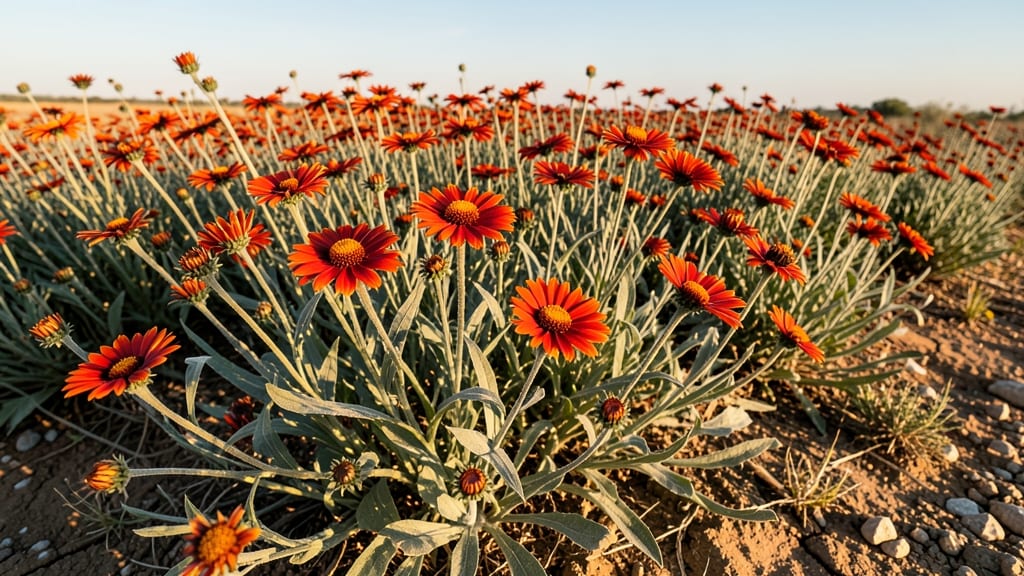
Spring in Texas demands flowers that thrive under intense sun and minimal water. These 10 drought-resistant blooms not only survive the Lone Star State’s climate but also deliver vibrant color from spring through fall with minimal care.
Blue Porterweed For Texas Sunlight
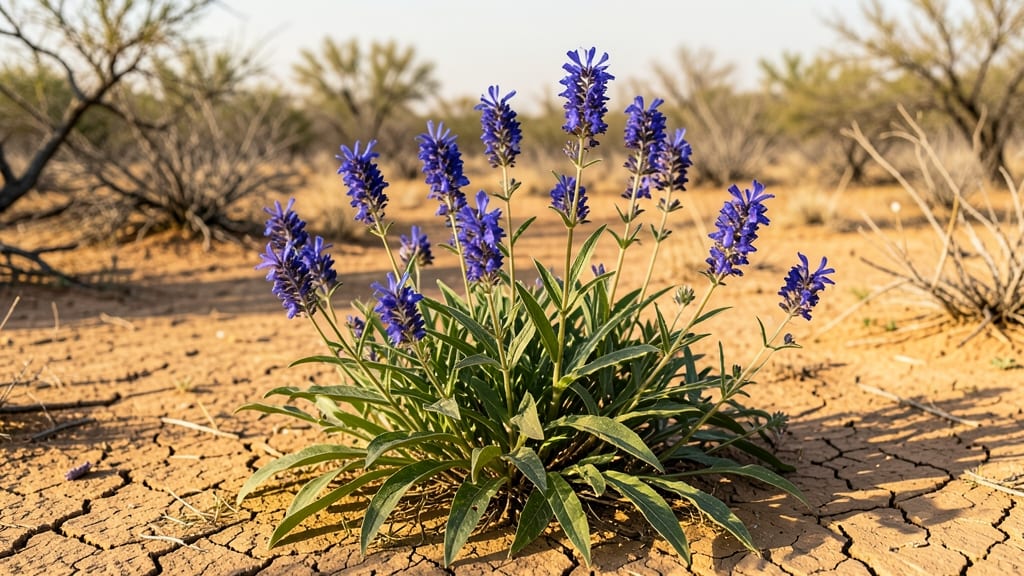
If you’re craving a low-maintenance Texas native that turns heads with its blue-purple blooms while supporting local pollinators, blue porterweed (Stachytarpheta jamaicensis) is your answer. This hardy perennial thrives in full sun and dry soil, making it perfect for sunbaked landscapes where other plants struggle.
Blue porterweed blooms continuously from spring to frost, attracting bees, butterflies, and hummingbirds with its nectar-rich flowers. It tolerates poor soil and drought once established, requiring only occasional watering after the first year. Plant it in masses for a striking blue-purple carpet or mix it with other wildflowers for a naturalized look.
This is the ideal choice for beginner gardeners and pollinator enthusiasts—it’s tough, beautiful, and supports Texas ecosystems without demanding extra care. 🌿
Autumn Sage With Red Flowers
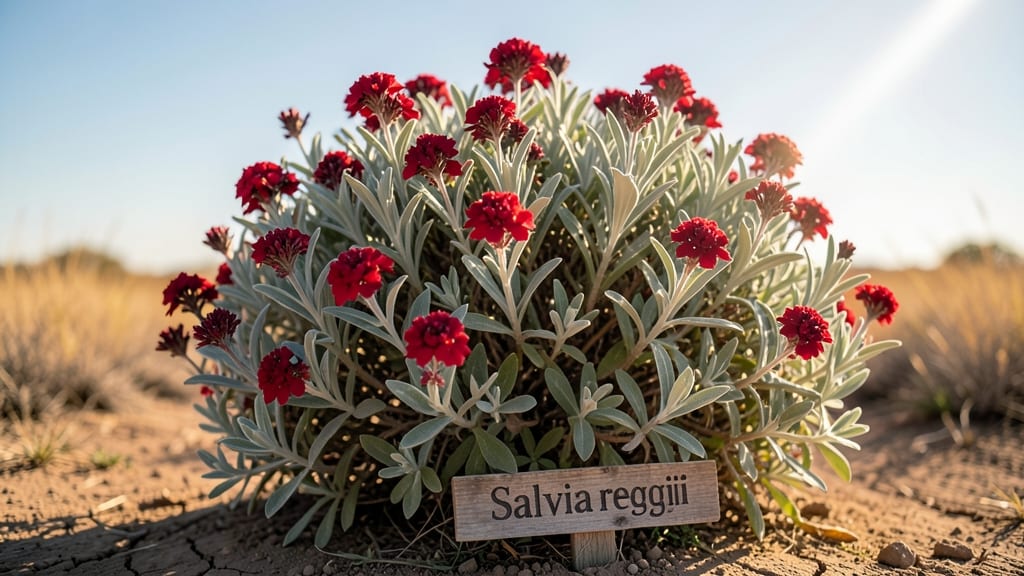
If you’re tired of flowers that wilt in Texas heat, autumn sage is your game-changer. This heat-loving shrub thrives under the sun and blooms continuously from spring until frost, giving you vibrant red flowers with almost no effort.
Once established, autumn sage requires minimal water—making it perfect for drought-prone areas. It’s also deer-resistant and attracts pollinators, adding both beauty and function to your garden. Plant it in full sun for best results, and it will reward you with long-lasting color.
Ideal for borders, containers, or hedges, this shrub is a must-have for any low-maintenance Texas garden. 🌻
Mexican Feather Grass For Texture
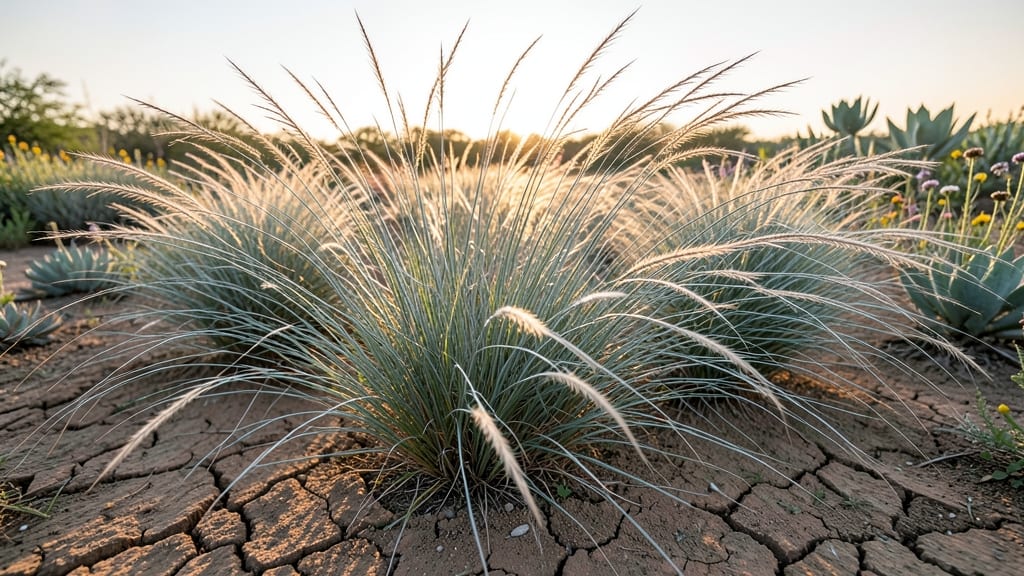
If your Texas garden needs drama with zero fuss, Mexican feather grass (Nassella tenuissima) delivers year-round movement and structure while requiring almost no water. This drought-proof beauty thrives on rainfall alone, making it perfect for water-wise landscapes where wildflowers and succulents dominate.
Plant it in full sun for the most striking golden plumes, which sway elegantly in the breeze—ideal for creating a natural Texas prairie vibe. It’s low-maintenance, pest-resistant, and works as a focal point in borders or mixed with wildflowers like blackfoot daisies. For best results, space clumps 3-4 feet apart and trim back in late winter to encourage fresh growth.
This grass is a game-changer for gardeners who want texture without the upkeep. Whether you're designing a modern xeriscape or a rustic wildflower meadow, it adds height and motion that blooms can’t match. 🌻
Blackfoot Daisy For Pollinators
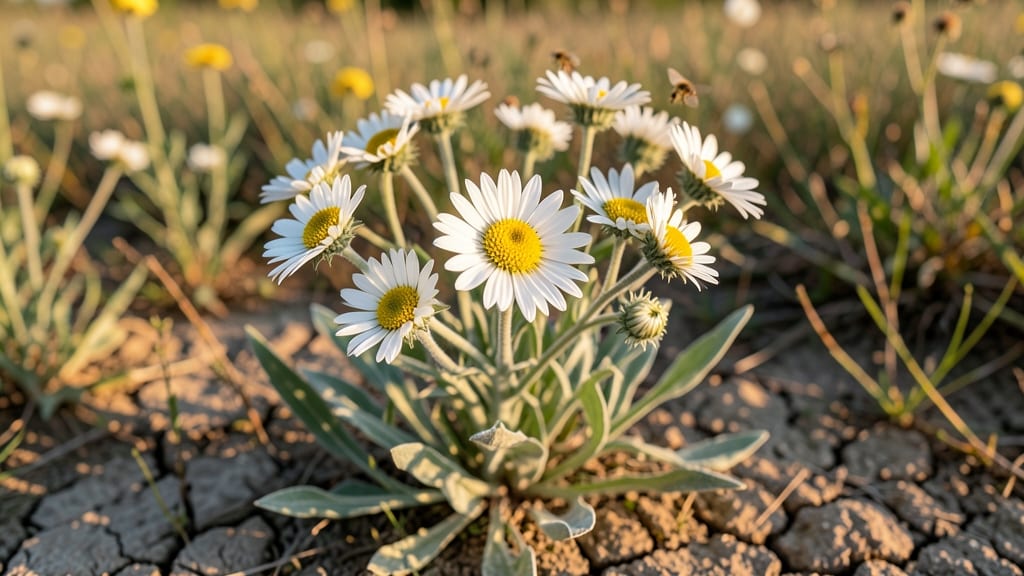
Want to create a buzzing, beautiful pollinator haven without extra watering? The blackfoot daisy (Melampodium leucanthum) is your go-to native wildflower, thriving in poor soil and drought while packing a punch for bees and butterflies. Its cheerful white-and-yellow blooms resemble tiny daisies and stay vibrant from spring through fall.
This hardy perennial handles full sun to partial shade and needs almost no maintenance once established—just occasional trimming to encourage more blooms. Plant it in meadows, roadsides, or naturalized areas where it self-seeds easily, creating a low-maintenance, pollinator-friendly display. It’s especially great for urban gardeners or those with rocky, dry soil.
For gardeners who want to support local ecosystems without fuss, blackfoot daisy is a must-have. Its resilience and pollinator appeal make it a standout for Texas landscapes. 🌻
Lantana For Long-Lasting Color
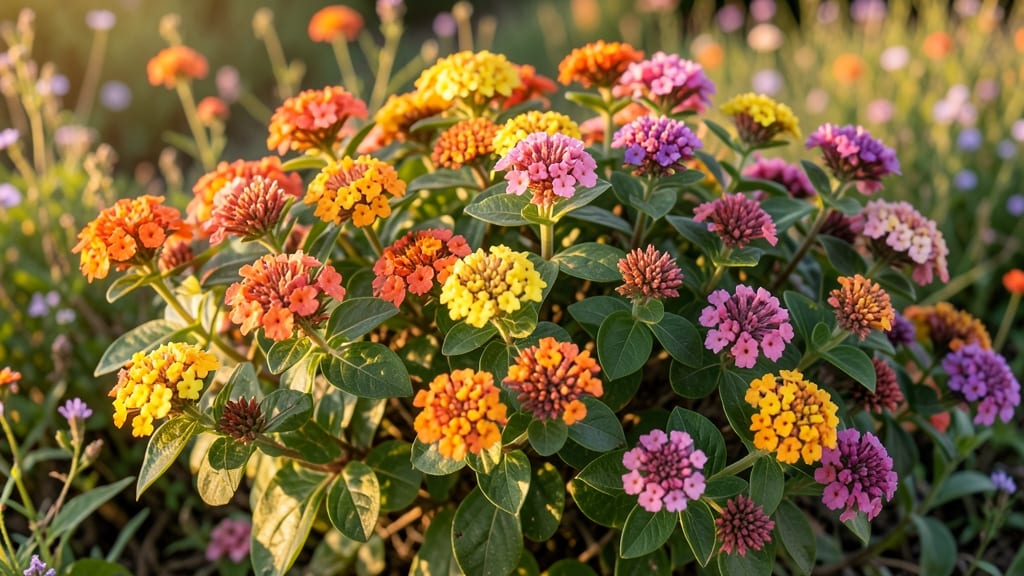
If you want a no-fuss, high-impact shrub that turns heads all season, lantana is your secret weapon. This heat-loving powerhouse produces clusters of tiny, vibrant blooms in shades of yellow, orange, pink, and purple—and it keeps blooming from spring until frost. Unlike many flowers that fade in Texas heat, lantana thrives in full sun and drought conditions, making it a top pick for low-water landscapes.
Beyond its stunning color, lantana is deer-resistant (a major plus in Texas!) and a magnet for butterflies and bees, turning your garden into a pollinator paradise. Plant it in borders, hanging baskets, or mass plantings—its compact size (2–4 feet tall) and bushy growth make it versatile. Just prune lightly after blooms fade to encourage even more flowers. For maximum impact, try mixing varieties like 'Bandana Series' for bold color contrasts.
This is the perfect choice for busy gardeners, urban containers, or large-scale plantings—lantana delivers year-round color with almost zero effort. 🌻
Texas Bluebonnet For State Pride
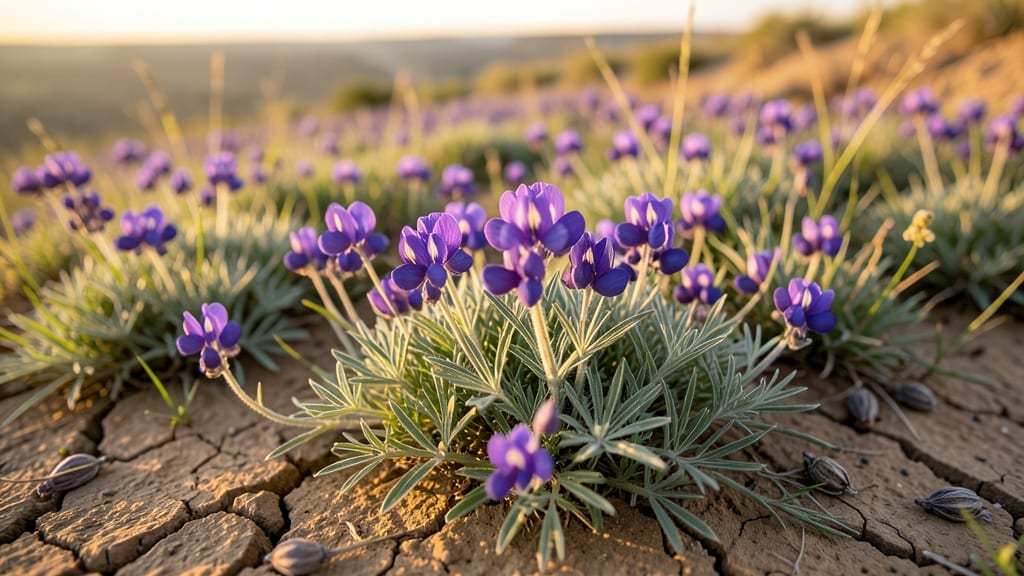
Want to add a splash of Texas pride to your garden while requiring almost no water? The Texas bluebonnet (Lupinus texensis) is the state flower for a reason—its striking purple blooms thrive in drought conditions and spread effortlessly through self-seeding.
Plant seeds in fall (October–November) for the most reliable blooms, but you can also direct-sow in early spring (February–March) to enjoy summer color. These hardy wildflowers need full sun and well-draining soil, making them perfect for slopes, meadows, or even roadside plantings. Once established, they’ll return year after year with minimal care.
This is the ideal choice for landscapers, pollinator gardeners, and beginners—just scatter seeds and let nature take over. 🌷
Zinnias For Cut Flowers
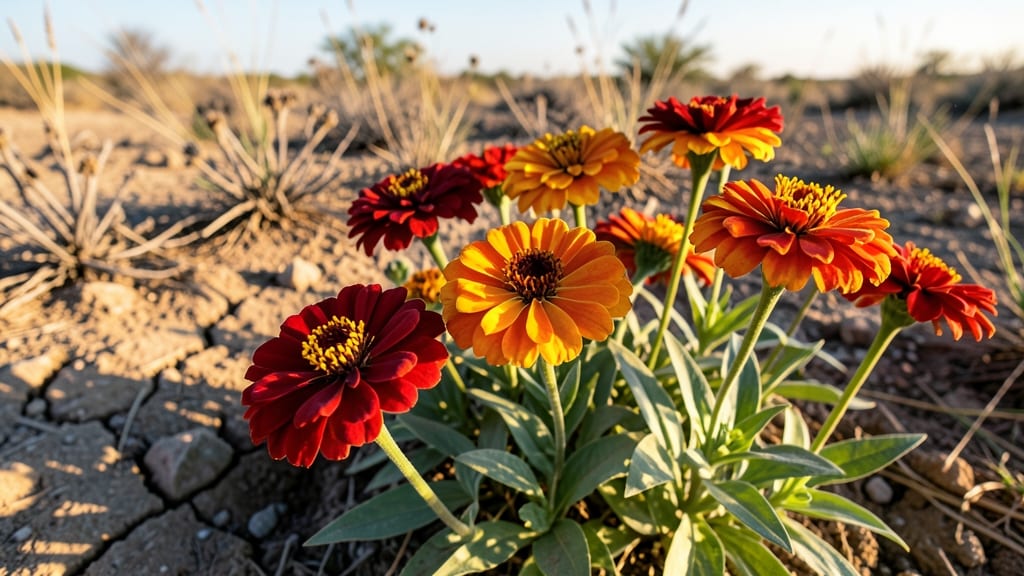
Want fresh-cut flowers that last all season without fuss? Zinnias are Texas gardeners' secret weapon—these fast-growing annuals produce abundant blooms from spring until frost, even in scorching heat and poor soil.
Plant seeds directly in full sun after the last frost, and you’ll have cut flowers ready in just 6-8 weeks. Deadhead spent blooms to encourage more flowers, and watch hummingbirds and bees flock to your garden. The variety of colors (red, pink, orange, yellow) makes them perfect for bouquets or pollinator-friendly borders.
Perfect for beginners and experienced gardeners alike, zinnias are the easiest way to enjoy fresh-cut flowers all season long. 🌻
Desert Marigold For Heat Tolerance
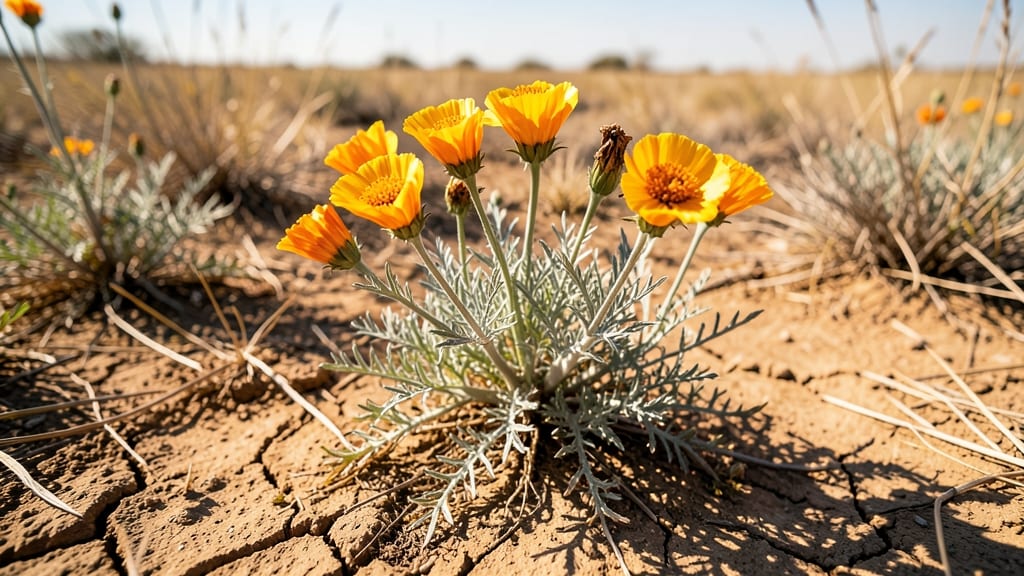
If you’ve ever struggled to keep flowers alive in Texas’ scorching summers, the desert marigold (Baileya multiradiata) is your secret weapon. This native wildflower thrives where others wilt, blooming cheerfully in bright yellow and orange hues while demanding almost no water after establishment.
Perfect for rock gardens, slopes, or areas with poor drainage, it handles full sun exposure and drought conditions with ease. Plant seeds directly in well-draining soil in early spring or fall, spacing them 12–18 inches apart. Once established, it self-seeds, creating naturalized patches that attract pollinators like bees and butterflies.
Ideal for low-maintenance gardeners or those with challenging landscapes, desert marigold adds year-round interest—its silvery foliage stays attractive even when not in bloom. 🌻
Salvia Greggii For Hummingbirds
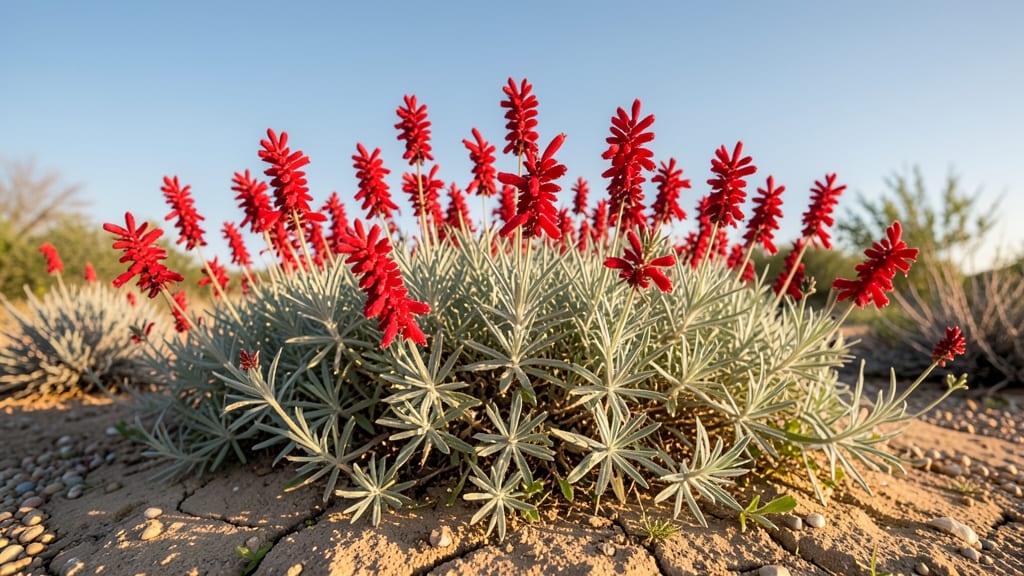
If you want to turn your Texas garden into a hummingbird hotspot without extra watering, Salvia Greggii is your secret weapon. This drought-resistant perennial produces striking tubular red flowers that hummingbirds can't resist, while thriving in full sun with minimal care.
Plant it in well-draining soil and give it 6 hours of sun daily for continuous blooms from spring through fall. The aromatic foliage also deters pests, making it a low-maintenance powerhouse. Whether in borders, containers, or pollinator gardens, it adds both beauty and function.
Urban gardeners and wildlife lovers will appreciate how this plant attracts pollinators while surviving Texas heat with just occasional watering. 🌻
Blanket Flower For Bold Colors

Want a bold splash of color that requires almost no water? The blanket flower (Gaillardia pulchella) delivers fiery red-orange blooms from spring until frost, making it a standout in Texas gardens. This native perennial thrives in poor soil and drought conditions, perfect for low-maintenance landscapes.
Plant it in full sun for the most vibrant blooms, and deadhead spent flowers to encourage continuous reblooming. Its cheerful, daisy-like flowers attract butterflies and bees while adding texture to wildflower meadows or mixed borders. Once established, it needs minimal care—ideal for busy gardeners or large-scale plantings.
This hardy perennial is especially great for urban gardens or wildlife-friendly spaces where native plants are prioritized. Add it to your spring planting list for year-round color with almost no effort. 🌻