
Pests and Diseases
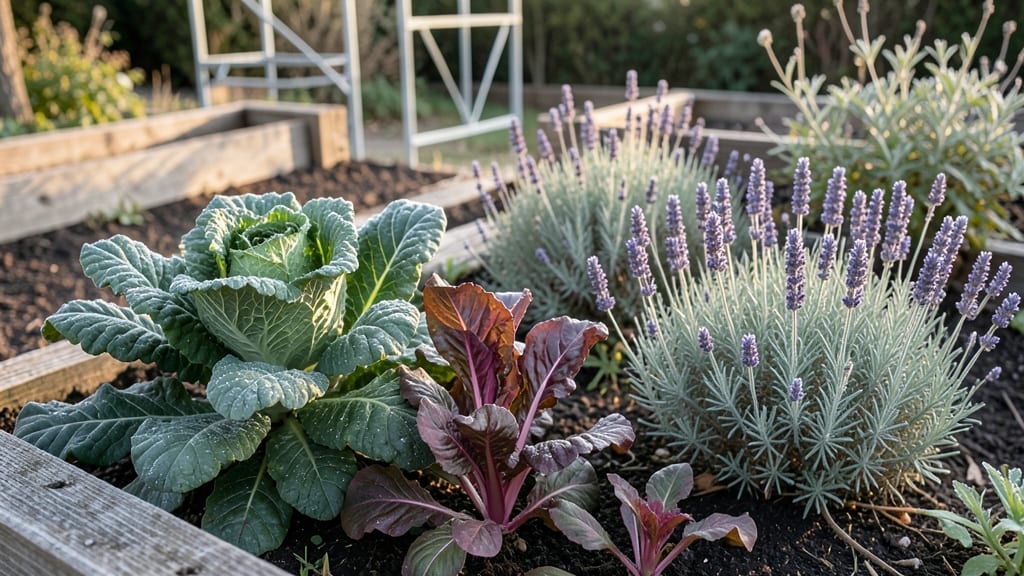
Frost damage can devastate your garden, but Jack Frost’s touch doesn’t have to mean permanent loss. These 10 expert-backed plant care tips will help you diagnose, rescue, and revive frost-bitten plants—whether they’re tender annuals or hardy perennials.
Identify Frost Damage Symptoms Early
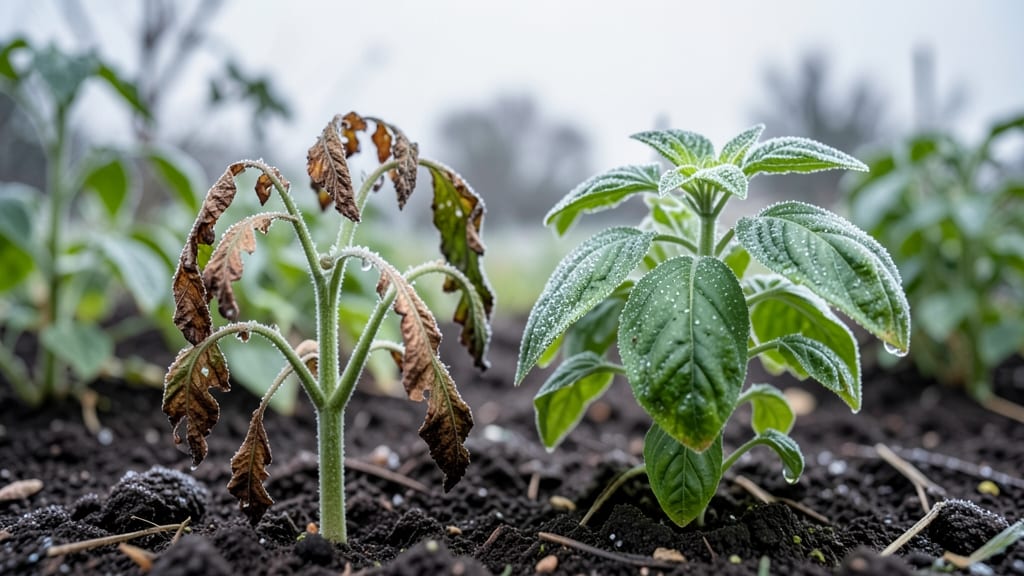
When you wake up to find your tomatoes or basil looking limp and sad after a chilly night, don’t panic—early detection is your best defense. Frost damage often starts subtly, with leaves developing crispy brown edges or stems turning mushy to the touch, signaling cells have ruptured from ice crystals.
Check for wilting that doesn’t improve by midday, or leaves that feel slimy when touched—these are red flags. For frost-sensitive plants, act fast: remove any ice crystals with a soft brush, and avoid pruning damaged foliage until you’re sure the plant isn’t still recovering. The sooner you spot these signs, the better your chances of saving the plant.
This skill is especially valuable for container gardeners or those in transitional climates, where overnight temps can swing unpredictably. Catching frost damage early means the difference between a full recovery and permanent loss. 🌱
Prune Damaged Foliage Correctly

When frost turns your tender perennials into a sad, crispy mess, resist the urge to panic-prune—cutting too much steals the plant’s energy reserves. Instead, focus on removing only dead or mushy leaves (they’re past saving) while leaving healthy foliage intact to keep photosynthesizing and fueling recovery.
Use sterilized shears to make clean cuts just above a leaf node or bud, avoiding ragged edges that invite disease. For broadleaf plants like roses or tomatoes, prune back to the first set of healthy leaves—this balances aesthetics with function. The goal isn’t perfection; it’s preserving the plant’s ability to bounce back.
This method works wonders for frost-sensitive annuals and perennials alike, giving them the best shot at regrowth without unnecessary stress. Less is more when it comes to post-frost pruning! 🌱
Provide Immediate Warmth with Row Covers
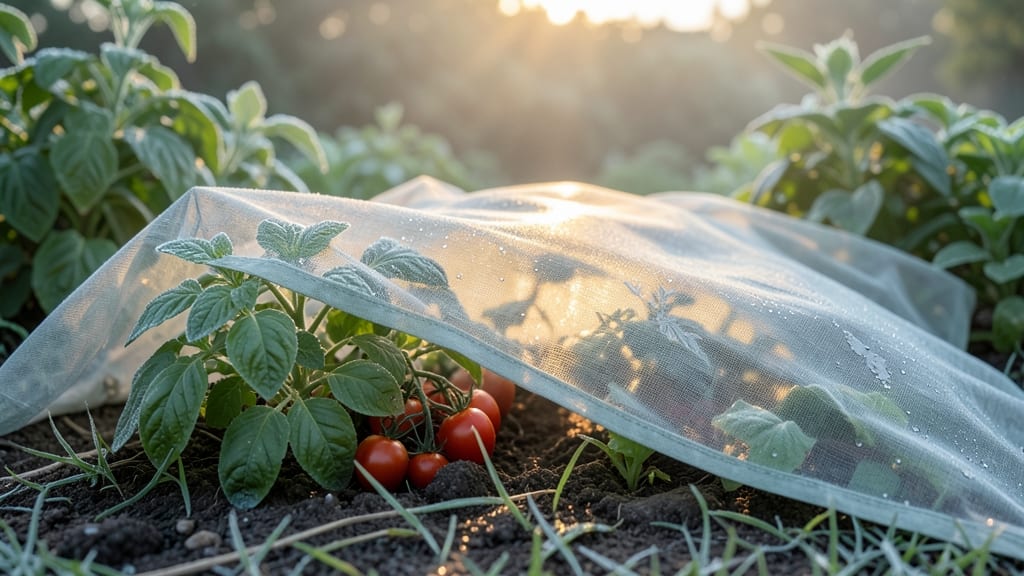
When Jack Frost sneaks in overnight and your garden’s most tender plants are at risk, lightweight row covers are your secret weapon. These breathable fabrics trap radiant heat from the sun while shielding plants from further temperature drops, making them ideal for late-season freezes or frost-prone zones.
Simply drape the cover over plants before sunset and secure the edges with clips, bricks, or soil—no stakes needed. The fabric allows sunlight to penetrate while blocking wind chill, which can be just as damaging as frost. Use them on tomatoes, peppers, or basil to extend the growing season by 2-4 weeks, and remove them during the day to prevent overheating.
Perfect for beginners or busy gardeners, row covers require minimal effort but deliver maximum protection when temperatures plummet unexpectedly. 💚
Revive with Warm Water Soaks
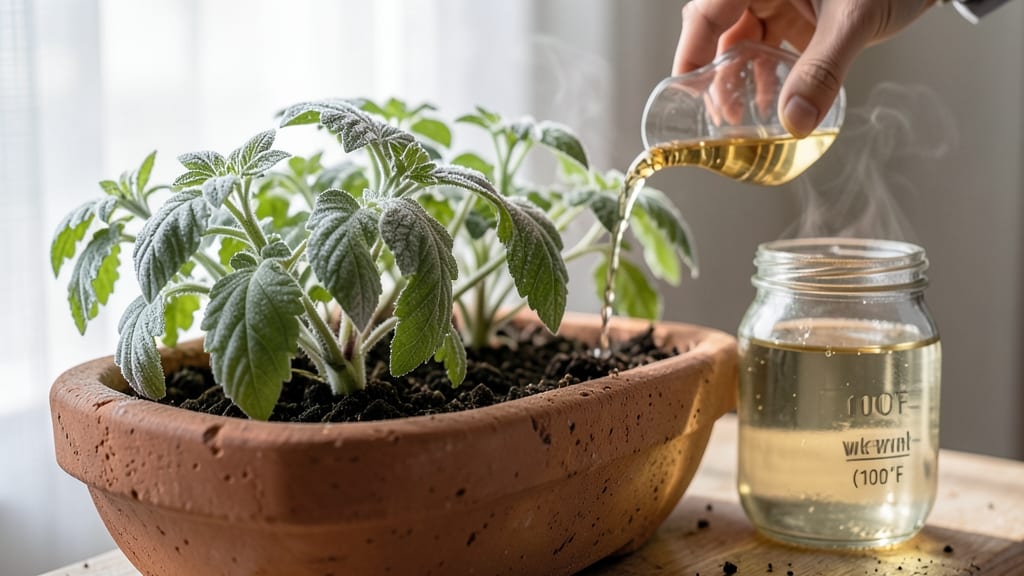
When frost leaves your container-grown herbs or peppers looking limp and lifeless, a quick warm water soak can work wonders. Unlike cold water, which can shock already-stressed roots, lukewarm water (around 100°F) penetrates soil faster, rehydrating roots and kickstarting recovery within hours.
Fill a basin with warm water (not boiling—just warm to the touch) and submerge the plant’s container for 15-20 minutes, letting the soil absorb moisture. For extra care, add a drop of mild liquid fertilizer to give plants a gentle energy boost. This method is especially effective for container plants like basil, cilantro, or bell peppers, which dry out faster than in-ground plants.
Urban gardeners and balcony growers will love this no-fuss technique—it’s faster than waiting for rain and requires no special tools. Just be sure to empty excess water afterward to prevent root rot. Your plants might surprise you with a comeback! 🌱
Apply Mulch to Insulate Roots
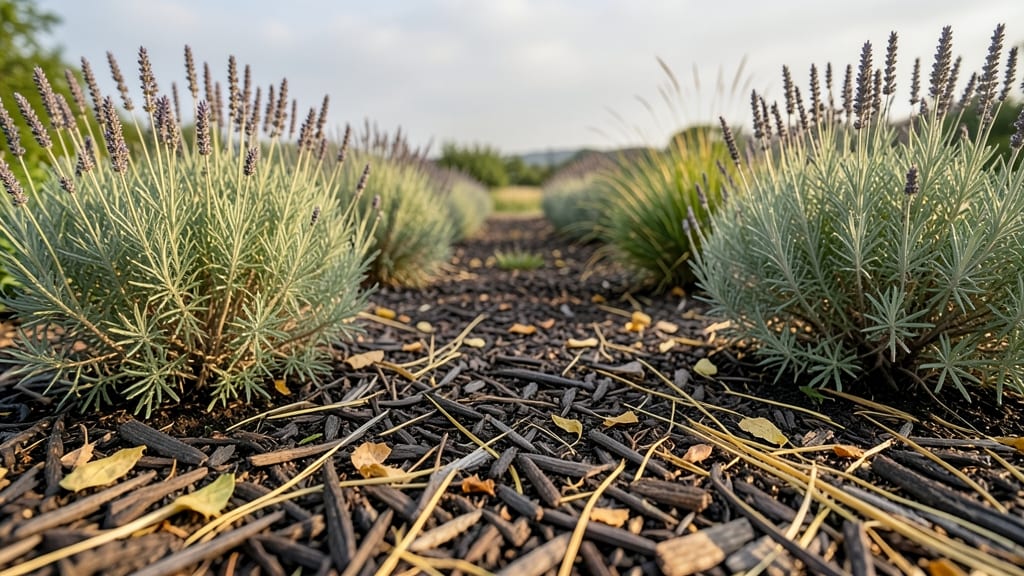
When freeze-thaw cycles threaten your perennials and shrubs, a simple layer of organic mulch can be the difference between survival and struggle. Unlike quick fixes like row covers, mulch provides long-term insulation for roots, acting as nature’s own thermal blanket to shield against temperature swings.
Spread 2-4 inches of straw, wood chips, or shredded leaves around the base of your plants (but keep it a few inches away from stems to prevent rot). This layer moderates soil temperature, reducing stress on frost-sensitive roots and even suppressing weeds. For extra protection, apply mulch in early autumn before the first hard freeze or in late winter to shield emerging perennials.
This method is especially valuable for gardeners in Zone 5-7, where sudden temperature drops are common. Mulch is low-cost, easy to apply, and works year-round to keep your plants resilient. 🌿
Fertilize Gently After Frost Stress
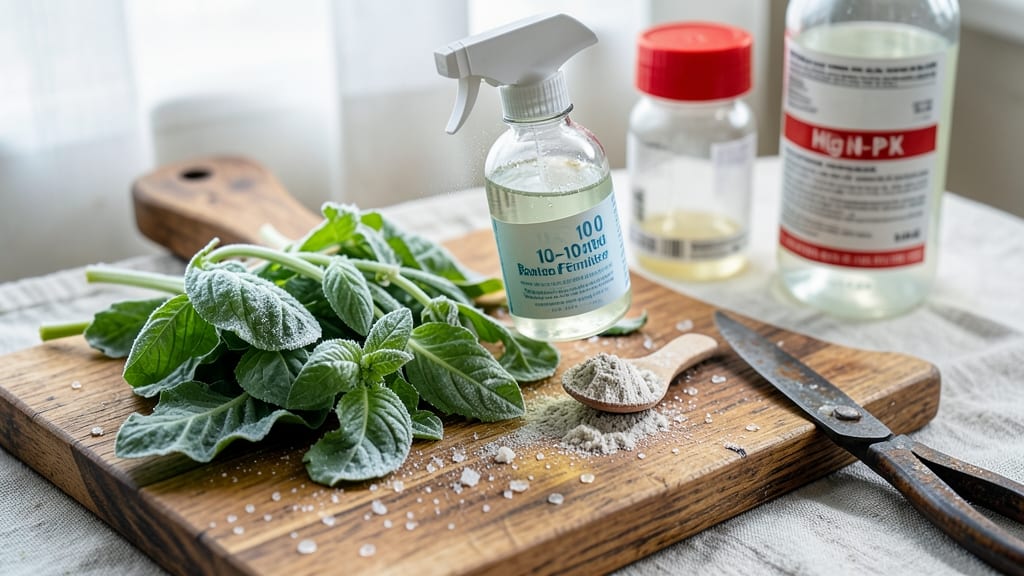
After frost weakens your plants, the last thing they need is a harsh dose of fertilizer—especially leafy greens like lettuce or delicate herbs already struggling to bounce back. Instead of feeding them aggressively, think of this step as a gentle nutrient IV drip to help them heal.
Mix a 10-10-10 balanced fertilizer at half-strength (1 tablespoon per gallon of water) and apply it directly to the soil, not the foliage. This diluted solution provides essential nitrogen, phosphorus, and potassium without overwhelming the plant’s compromised root system. Water thoroughly afterward to help distribute nutrients evenly. Focus on stressed vegetables first—they’ll show new growth within 7–10 days if given this careful support.
This approach is perfect for beginner gardeners or anyone reviving frost-bitten containers, where roots are especially vulnerable. A little patience and gentle care go a long way in bringing your garden back to life. 🌱
Transplant Shocked Plants to Sheltered Spots
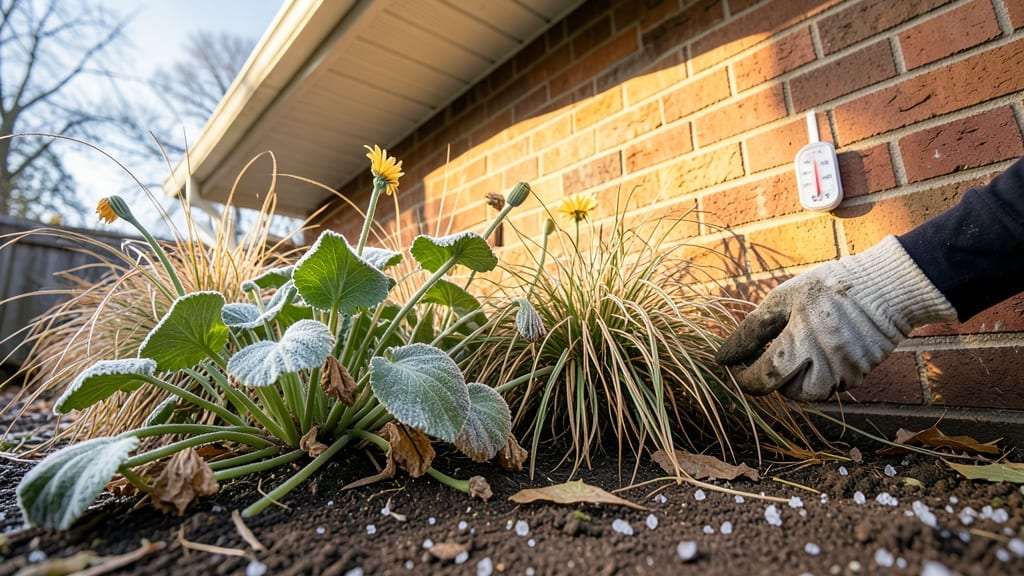
When Jack Frost leaves your tender perennials looking limp and defeated, don’t toss them out—relocate them to microclimates where warmth lingers. South-facing walls or the shelter of eaves create pockets of radiant heat that shield plants from harsh winds and temperature swings, giving them a fighting chance to recover.
Focus on tender perennials like salvia or lavender, which thrive in these protected spots. Gently transplant them into pots or directly into the ground near your home’s foundation or under a covered porch. The extra warmth can accelerate regrowth, especially if paired with morning sun exposure. Water them deeply after moving to reduce transplant shock further.
This trick is a game-changer for urban gardeners with limited space or those in USDA zones 7-9, where late frosts can still sneak in. Give your frost-weary plants a second chance with this simple relocation hack. 🌿
Use Anti-Transpirants for Leaf Protection
When frost leaves your plants looking crispy and stressed, anti-transpirants like Wilt-Pruf act like a temporary shield for their leaves. This clear, waxy spray forms a microscopic barrier that slows water loss through damaged foliage, helping plants conserve moisture while they recover from cold stress.
Apply it to broadleaf plants—especially roses, hydrangeas, or hostas—after pruning frost damage but before the heat of the day. The film lasts about 2-4 weeks, giving roots time to re-establish themselves. It’s especially useful for container plants or those in exposed areas where wind accelerates moisture loss.
Perfect for gardeners dealing with late-season freezes or early spring surprises, anti-transpirants buy time for plants to bounce back without extra watering. Just avoid spraying in direct sunlight to prevent leaf scorch. 🌻
Monitor for Pests After Frost Weakens Plants
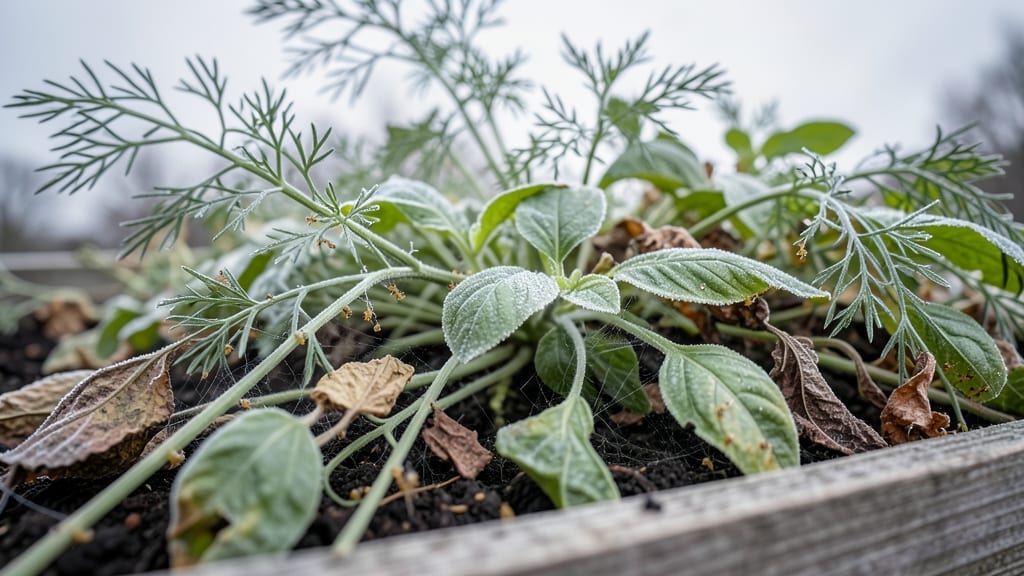
When frost weakens your plants, they become prime targets for pests like aphids and spider mites, which thrive on stressed foliage. These tiny invaders can turn a frost recovery into a full-blown infestation if left unchecked—especially in delicate herbs like dill or basil.
Start by inspecting the undersides of leaves for sticky residue (aphids) or fine webbing (spider mites). Treat affected areas immediately with neem oil or insecticidal soap, applying them in the early morning or evening when pests are most active. For severe cases, repeat treatments every 5–7 days until the plants regain strength.
This extra step is a game-changer for gardeners with frost-prone beds, ensuring your herbs and vegetables bounce back without pest-related setbacks. 💚
Plan for Next Year’s Frost Protection

Tired of losing your favorite plants to sudden late-spring freezes? This year, outsmart Jack Frost by planning ahead with cold-hardy varieties and smart timing—before the next surprise frost strikes.
Start by selecting frost-resistant plants like kale, Swiss chard, or hardy perennials (e.g., lavender or Russian sage) that thrive in cooler temperatures. Elevate container plants with feet or bricks to prevent cold air settling at their bases. For precise timing, install a frost clock to track local freeze dates, adjusting your planting schedule accordingly. These small steps can mean the difference between wilted disappointment and year-round success.
This proactive approach is a game-changer for urban gardeners, beginners, and anyone frustrated by unpredictable weather. A little prep now saves heartache (and replanting costs) later. 🌟