
Planting
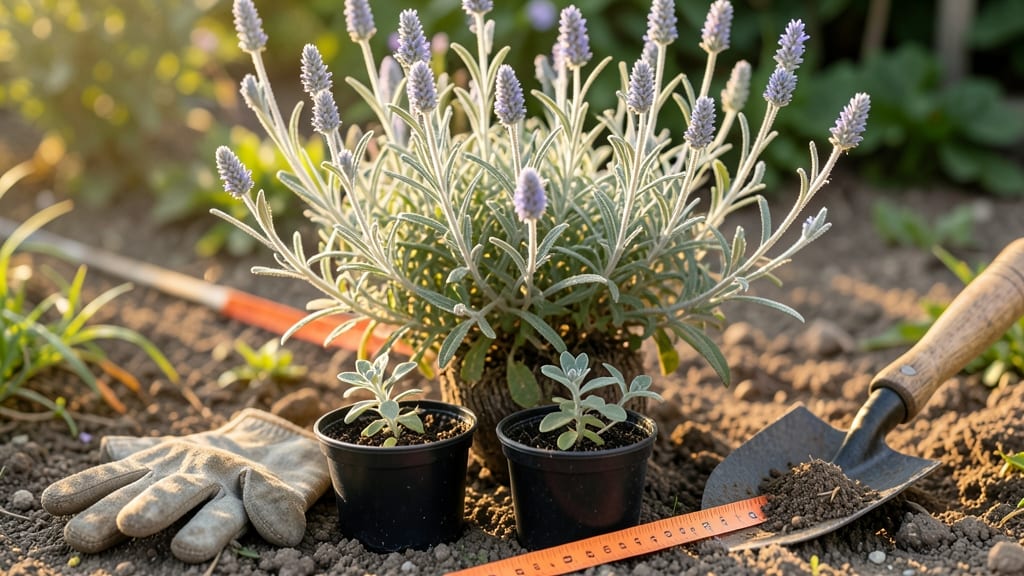
To plant Russian sage 🌸 the right way, space them 5 to 7 inches apart—this gives their sturdy stems room to thrive in full sun without competing for nutrients.
Picture this: your garden bed crowded with leggy, struggling Russian sage because you packed them too close. Or worse, sparse clusters where the purple blooms barely make an impact.
The secret to a showstopping display lies in that 5-to-7-inch gap, which balances air flow, sunlight, and root growth for years of effortless beauty.
Russian sage isn’t picky about soil, but it is a sun-worshipper—6+ hours of direct light per day is non-negotiable.
That’s why spacing matters: too tight, and the center plants choke on shade; too wide, and you waste space on a plant that spreads 3 to 5 feet wide at maturity.
Below, I’ll break down how to map your planting layout for maximum impact—whether you’re framing a border, filling a container, or reviving an overcrowded bed. No guesswork, just full sun thrivers that reward you with color from July through September.

Optimal Russian sage spacing: 5- to 7-Inch apart for sun-loving success
Russian sage (Perovskia atriplicifolia) thrives in full sun and needs the right spacing to grow strong and vibrant. Planting them 5 to 7 inches apart ensures proper air circulation and sunlight exposure, which are critical for preventing fungal diseases and promoting lush foliage.
This spacing also allows roots to establish without competing for nutrients, leading to healthier, more resilient plants over time.
Many gardeners mistakenly plant Russian sage too far apart, thinking it will give the plants more room to sprawl. However, over-spreading can create gaps in your landscape design, while overcrowding leads to weak stems and poor flowering.
The sweet spot of 5 to 7 inches balances aesthetics and plant health perfectly, especially in full-sun gardens where growth is rapid.
| Factor | Recommendation | Notes |
|---|---|---|
| Spacing (In-Ground) | 5–7 inches apart | Ideal for full sun exposure and airflow |
| Spacing (Containers) | 3–5 inches apart | Smaller pots require closer spacing |
| Sunlight Needs | 6+ hours daily | Full sun maximizes purple bloom intensity |
| Soil Type | Well-draining, sandy loam | Avoid heavy clay soils to prevent root rot |
| Mature Plant Width | 2–3 feet | Allows for natural spread without overcrowding |
When planting Russian sage in well-draining soil, the 5-to-7-inch spacing works beautifully for both in-ground beds and large containers. If your soil is heavy or clay-based, increase spacing to 8 to 10 inches to prevent root competition and improve drainage.
This adjustment ensures roots grow deep and strong, reducing the risk of fungal diseases like powdery mildew, which thrives in damp, crowded conditions.
For container gardening, reduce spacing to 3 to 5 inches apart since pots limit root expansion. Use a high-quality potting mix with perlite or sand to improve drainage. Place containers in full sun locations where they’ll receive at least 6 hours of direct sunlight daily.
This setup mimics ideal in-ground conditions while maximizing the compact growth habit of Russian sage in containers.
Proper spacing also plays a crucial role in pruning and maintenance. When plants have enough room, you can easily access the center for late-winter pruning, which encourages fresh, vigorous growth.
Without adequate spacing, pruning becomes difficult, and deadheading blooms is nearly impossible, leading to a messy appearance by mid-summer.
Another key benefit of 5-to-7-inch spacing is the ability to interplant Russian sage with companion plants like lavender, catmint, or ornamental grasses. These pairings create stunning pollinator-friendly borders while reducing pest pressure.
For example, planting Russian sage alongside thyme or rosemary deters deer and rabbits, which often browse on tender perennials.
If you’re designing a formal garden layout, consider a grid pattern with plants spaced 6 inches apart in rows. For a more natural look, use a staggered or clustered arrangement, placing groups of 3–5 plants together with 12-inch gaps between clusters.
This approach creates visual interest while maintaining airflow and sunlight penetration.
Remember, Russian sage is a drought-tolerant perennial, so once established, it requires minimal watering. However, the first year after planting is critical. Water deeply once a week during the first growing season to encourage strong root development.
After that, reduce watering to every 2–3 weeks, unless your area experiences extreme heat or drought.
By following these spacing guidelines, your Russian sage will reward you with vibrant purple blooms from mid-summer through fall, creating a low-maintenance focal point in your garden. Whether you’re planting in borders, containers, or mixed beds, proper spacing ensures your plants thrive and your landscape shines.
How Russian sage spacing affects growth: common mistakes and fixes
Russian sage (Perovskia atriplicifolia) thrives when planted with proper spacing, but many gardeners make spacing mistakes that stunt growth or invite pests. Overcrowding creates competition for sunlight and nutrients, while too much space wastes garden real estate.
The key is finding that sweet spot where air circulates freely, but plants still support each other's growth.
One of the biggest mistakes is planting Russian sage too closely together, which leads to leggy stems and powdery mildew. I’ve seen gardens where plants were spaced just 3 inches apart—resulting in weak, floppy growth and fungal issues by midsummer.
The opposite problem is spacing them too far apart, which creates gaps that look sparse and uninviting.
⚠️ Critical Spacing Rule for Russian Sage
Plant Russian sage 2–3 feet apart for mature size (3–5 ft tall). For dwarf varieties, reduce spacing to 18–24 inches. Overcrowding (<18 inches) causes poor airflow, while spacing >3 feet wastes space and reduces visual impact.
Fix established overcrowding: Prune back 1/3 of foliage in early spring to reduce plant size, then gradually thin by removing weakest stems over 2–3 years.
If your Russian sage is already struggling from poor spacing, don’t panic. You can correct it without replanting. Start by pruning back overgrown stems to encourage bushier growth.
Focus on removing the innermost stems first—they’re competing the most for resources. This creates space for the remaining plants to spread out naturally.
Another fix is to divide and transplant sections of overcrowded clumps. Dig up a portion of the plant, including roots, and replant it elsewhere in your garden.
This works best in early spring or early fall, when the plant is actively growing but not stressed by extreme heat or cold.
For established gardens where replanting isn’t an option, consider mulching heavily around the base of your Russian sage. A 2–3 inch layer of organic mulch (like shredded bark or straw) helps suppress weeds, retains moisture, and gradually improves soil structure—giving your plants room to breathe without physical spacing adjustments.
Remember, Russian sage is a drought-tolerant plant, but proper spacing ensures it stays healthy and vibrant. With the right adjustments, you’ll see stronger stems, more abundant blooms, and a fuller garden display by next season.