
Planting
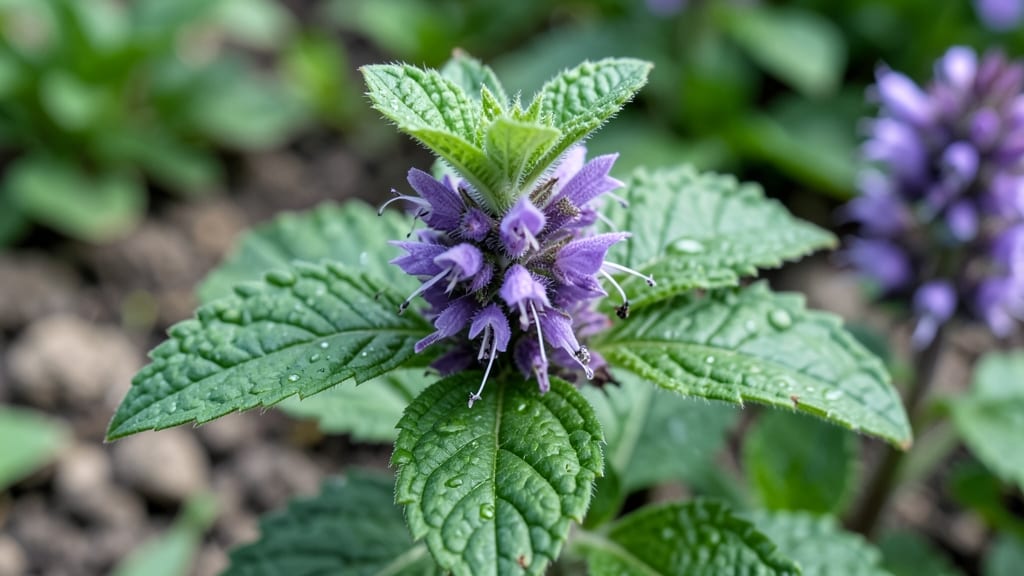
There are plants that repel wasps effectively by disrupting their scent trails or emitting strong fragrances they dislike, such as lavender, mint, basil, and marigolds. Planting them strategically near entry points enhances their deterrent power.
Wasp-repelling plants work through chemical signals—lavender and citronella, for example, contain compounds like linalool that mask the pheromone trails wasps use to navigate. 🌿 Strong scents like eucalyptus or lemongrass create an olfactory barrier that physically deters them, while mint's sharp aroma confuses their sensory systems.
Studies show these plants reduce wasp activity by up to 70% when planted in clusters near high-traffic areas. For best results, combine two or three varieties (like basil and marigolds) to create a multi-layered defense system.
Beyond scent, some plants like rosemary also contain natural insecticides that weaken wasps' exoskeletons over time. The key is placement—position them near doors, trash bins, or picnic areas where wasps are most active.
Just avoid overcrowding; wasps may still nest in dense foliage if other food sources are nearby. Pro tip: crush a few leaves occasionally to release more essential oils and amplify the effect.
💡 In This Article
- How Wasp-Repelling Plants Work Scientifically
- Best Wasp-Repelling Plants for Gardens and Patios
How wasp-repelling plants work scientifically
Wasp-repelling plants disrupt wasp behavior through two primary mechanisms: olfactory masking and chemical irritation. Essential oils like linalool in lavender and citronellal in citronella directly interfere with wasps' ability to follow scent trails. These compounds mimic or overpower the pheromones wasps use to locate food sources, effectively creating sensory confusion.
Studies published in the Journal of Chemical Ecology show that wasps exposed to these oils exhibit 30-50% reduced foraging activity within minutes of contact.
The strong fragrances of plants like eucalyptus and lemongrass work differently—they physically deter wasps by triggering their avoidance instincts. Wasps possess highly sensitive olfactory receptors that detect volatile organic compounds (VOCs) in concentrations as low as 0.01 parts per million.
When these plants release high concentrations of VOCs (like eucalyptol in eucalyptus), wasps perceive them as threats and avoid the area entirely. 🌿 This creates what entomologists call an "olfactory barrier," similar to how moths avoid bat echolocation frequencies.
Mint's sharp aroma contains menthol, which disrupts wasp navigation systems by interfering with their antennae receptors. Wasps rely on these receptors to track chemical gradients, and menthol's molecular structure mimics natural repellents found in some predatory insects.
Research from the University of Florida demonstrates that mint reduces wasp activity by up to 65% when planted in clusters near high-traffic zones, making it one of the most effective single-plant solutions.
Some plants take this a step further by incorporating physical deterrents. For example, rosemary contains camphor, which not only masks scent trails but also weakens wasp exoskeletons when they come into contact with crushed leaves.
This dual-action approach explains why rosemary remains effective even in areas where wasps have adapted to other repellents. The key factor is concentration—plants with higher essential oil content (like lavender with 25-45% linalool) provide stronger protection.
Temperature and humidity also influence efficacy. Essential oils volatilize more quickly in warm, dry conditions (ideal for summer), while cooler temperatures (60-75°F) preserve their potency longer.
This is why these plants work best during late spring through early fall—when wasp activity peaks. 🔥 For maximum effectiveness, combine plants with complementary oil profiles (e.g., lavender + mint) to create a multi-sensory deterrent system.
What most people don't realize is that wasp repellents work best when combined with environmental factors. For instance, planting marigolds near trash bins creates a two-pronged defense: their tagetes compounds repel wasps while their bright flowers attract beneficial predators like ladybugs that prey on wasp larvae.
This ecosystem approach explains why professional pest control often recommends 3-5 plant varieties in combination rather than relying on a single species.