
Planting
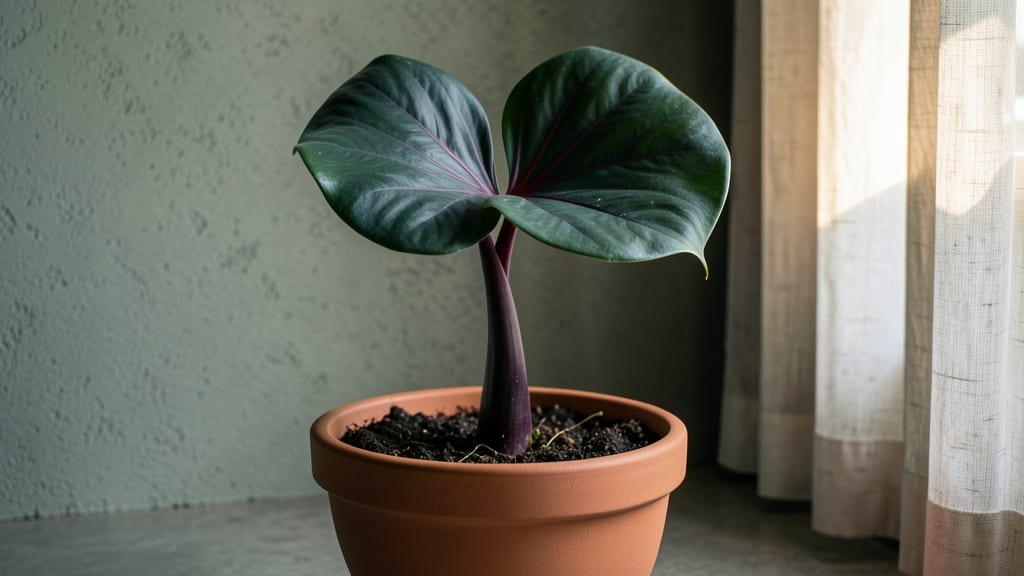
Caring for the Midnight Blue Heart plant means unlocking its dramatic, velvety foliage—even in rooms with minimal light. 💚 I’ve kept mine thriving for years by mastering the balance of moisture, shade, and humidity, and I’ll show you exactly how to do it without guesswork.
This plant loves bright, indirect light—think east-facing windows or a few feet from a west window—but it’s famously adaptable to lower light than most tropicals. The secret? Keep the soil consistently moist (not soggy) and mist the leaves weekly to mimic its native rainforest home.
Overwatering is the #1 killer, so let the top inch dry out before watering again. You’ll know you’re doing it right when those deep purple-black hearts pop against the silvery-white veins, staying vibrant all season.
Even in dry winter air, this plant stays lush with a little extra attention—just avoid cold drafts and sudden temperature swings. Perfect for offices, bathrooms, or shady corners where other plants struggle. Let’s get those striking leaves looking their best!
📚 In This Guide
- What you need
- Instructions
- Tips and common mistakes
- Wrapping up and next steps
What you need
- ● Pot: A 6-10 inch pot with drainage holes (terracotta or ceramic works best). Pro tip: 💡 If repotting, choose a container 1-2 inches wider than the current root ball.
- ● Well-draining potting mix: A blend of 50% peat moss or coco coir, 30% perlite or pumice, and 20% vermiculite or orchid bark. Avoid heavy garden soil!
- ● Midnight Blue Heart plant: A healthy cutting or nursery-grown specimen (check for vibrant purple stems and leaves!).
- ● Watering can or spray bottle: For gentle hydration—no soggy roots allowed!
- ○ Humidity tray (optional but helpful): A shallow tray filled with pebbles and water to boost moisture levels, especially in dry climates.
- ● Pruning shears or scissors: For trimming leggy stems or propagating cuttings (sterilize with rubbing alcohol first!).
- ○ Grow lights (optional): A 12-15W LED grow bulb if your space lacks natural light (place 6-12 inches above the plant).
- ● Fertilizer: A balanced liquid fertilizer (10-10-10 or 20-20-20), diluted to half-strength, applied every 4-6 weeks during spring/summer.
- ○ Support stake or trellis (optional): For trailing varieties—choose a lightweight, flexible option like a bamboo stake.
- ● Misting spray bottle: To mimic humidity-rich environments (great for dusting leaves too!).
- ● 🌡️ Temperature: Keep your plant in a space between 60-80°F (15-27°C). Avoid drafts or cold windowsills!
- ● 💧 Watering knowledge: Wait until the top 1-2 inches of soil are dry before watering—overwatering is the #1 killer of Midnight Blue Hearts!
- ● 🕵️ Light awareness: While it tolerates low light, bright, indirect light (e.g., east-facing windows) brings out its deepest purples.
Step-by-Step Midnight Blue Heart plant care
Here's how I keep my Midnight Blue Heart thriving in low-light spaces—no fancy equipment, just attentive care.
🌿 Step 1: Choose the Right Spot for Low-Light Success
The Midnight Blue Heart (Tradescantia pallida 'Midnight Blue') loves bright, indirect light but can adapt to low-light conditions if you pay attention to its signals. Place it near a north-facing window or 2-3 feet away from an east or west window where light is softer. You'll notice the leaves develop their signature deep purple hue when light is perfect—too little light and they'll stay green, too much and they'll bleach out.
If your space is truly dim, rotate the pot a quarter turn weekly so all sides get equal exposure. This prevents the plant from growing lopsided toward the light. I keep mine in my office where fluorescent lighting dominates, and it thrives as long as I move it occasionally.
💧 Step 2: Water When Soil Feels Dry to the Touch
This plant is drought-tolerant but hates soggy roots. Stick your finger 1 inch into the soil—when it feels dry at that depth, it's time to water. Overwatering is the #1 killer of Midnight Blue Hearts, so I always check before reaching for the watering can. The pot should feel light when dry and heavier when saturated.
Use room-temperature water and pour slowly until it drains freely from the bottom. Empty the saucer 10 minutes later to prevent root rot. In winter, when growth slows, you might only need water every 2-3 weeks. Watch for yellowing leaves—they're the plant's way of saying "slow down on the water."
☀️ Step 3: Encourage Growth With Humidity and Fertilizer
Midnight Blue Hearts love humidity, especially in dry indoor air. Place the pot on a tray of pebbles with water underneath (keep the pot above the waterline) or mist the leaves lightly every 3-4 days. You'll see new growth emerge faster when humidity is right—look for fresh, vibrant purple shoots.
Feed with a balanced liquid fertilizer (10-10-10) diluted to half strength every 4-6 weeks during spring and summer. Skip fertilizing in fall and winter when the plant rests. I always fertilize right after watering to avoid root burn. If you notice brown tips, cut back on fertilizer—it's a sign of overfeeding.
✂️ Step 4: Prune to Maintain Shape and Promote Bushiness
Pinch back the tips of new growth when stems reach 4-6 inches to encourage bushier growth. Use clean scissors or fingers to snip just above a leaf node. Regular pruning keeps the plant compact and prevents it from becoming leggy. I prune mine every 6-8 weeks during active growth.
Propagate the cuttings by placing them in water—roots will appear in 2-3 weeks. This is how I've expanded my collection to four plants! Remove any yellow or damaged leaves immediately to keep the plant looking its best. If you see powdery mildew on the leaves, wipe them gently with a damp cloth and improve air circulation.
🪴 Step 5: Repot When Roots Outgrow the Container
Midnight Blue Hearts grow quickly and need repotting every 1-2 years or when roots circle the pot. Choose a container only 1-2 inches larger in diameter—too much space encourages root rot. I use a well-draining mix of potting soil and perlite (60/40 ratio) to keep roots aerated.
Gently remove the plant, loosen the roots, and place it in the new pot with fresh soil. Water lightly after repotting and avoid fertilizing for 2 weeks to let the plant adjust. If you notice the leaves wilting after repotting, it's a sign the roots are stressed—keep the soil lightly moist until new growth appears.
Tips & tricks for perfect Midnight Blue Heart plant care
These simple adjustments will help you keep your Midnight Blue Heart thriving even in the trickiest lighting conditions.
Lighting Strategy: The key to that stunning purple hue is light balance—too little and your plant stays green, too much and it bleaches out. I've found that placing my plant 2-3 feet from an east-facing window gives it just enough indirect light to develop those rich colors without fading. If you notice your plant's leaves staying green, try moving it closer to the light source gradually over a week to avoid shocking it.
Watering Wisdom: The 1-inch soil check in Step 2 is your best friend, but don't forget about the 10-minute saucer drain time. This simple step prevents root rot, which is the silent killer of many houseplants. I've learned the hard way that skipping this can turn your thriving plant into a sad, mushy mess in just days. Always use room-temperature water too—cold water can shock the roots.
Humidity Hack: While the 3-4 day misting schedule works, I've found a more reliable method: place your pot on a tray filled with pebbles and water (keeping the pot above the waterline). This creates a natural humid microclimate that mimics the plant's tropical origins. You'll see new growth emerge faster and leaves stay vibrant longer. This method requires less maintenance than daily misting and works perfectly for busy plant parents.
Pruning Pro Tip: When pinching back those 4-6 inch stems in Step 4, don't throw away those cuttings! Place them in a glass of water with just the nodes submerged, and you'll see roots appear in about 2-3 weeks. This is how I've expanded my collection to four plants without spending a dime. Just remember to use clean scissors or your fingers to avoid spreading disease between cuts.
Pro Tips for Midnight Blue Heart Plant Care
- These simple adjustments will help you keep your Midnight Blue Heart thriving even in the trickiest lighting conditions.
- Lighting Strategy: The key to that stunning purple hue is light balance—too little and your plant stays green, too mu...
- Watering Wisdom: The 1-inch soil check in Step 2 is your best friend, but don't forget about the 10-minute saucer dra...
Frequently asked questions
Got questions about keeping your Midnight Blue Heart (Tradescantia pallida 'Blue') thriving? You’re not alone! Here are some of the most common concerns—plus quick fixes to keep your plant happy and vibrant.
How often should I water my Midnight Blue Heart?
Water when the top 1–2 inches of soil feel dry to the touch—usually every 1–2 weeks, depending on humidity and light. Overwatering is the #1 killer, so let excess moisture drain away completely. Pro tip: Stick your finger in the soil before watering to avoid soggy roots!
Can this plant survive in low light?
The Midnight Blue Heart thrives in low to bright indirect light, making it perfect for offices or dim corners. Just avoid harsh direct sun, which can scorch its striking blue-green leaves. Signs it’s happy: Lush growth and vivid colors. Signs it’s struggling: Leggy stems or pale leaves.
Why are my leaves turning yellow or brown?
Yellow leaves often mean overwatering or poor drainage, while brown tips usually signal low humidity or fluoride in tap water. Try these fixes:
- Repot in well-draining soil (cactus/succulent mix works great).
- Mist leaves or place a pebble tray nearby.
- Use filtered or distilled water if your tap water is hard.
How fast does this plant grow, and how big does it get?
This trailing beauty grows moderately fast—expect 6–12 inches per year with proper care. Indoors, it typically reaches 1–3 feet long, but with support (like a moss pole or trellis), it can climb higher. Prune leggy stems to encourage bushier growth!
What pests should I watch for, and how do I treat them?
Common pests include spider mites, mealybugs, and aphids. Catch them early with:
- Neem oil spray (diluted) for a natural fix.
- Wipe leaves with soapy water (1 tsp mild soap per quart of water).
- Isolate the plant to prevent spreading.
Can I propagate my Midnight Blue Heart easily?
Yes! This plant is a propagation champ. Snip a healthy stem with a few leaves, remove the lower leaves, and place the cutting in water or moist soil. Roots form in 2–4 weeks. Bonus: Baby plants make great gifts!
Wrapping up and next steps
Caring for your Midnight Blue Heart (Tradescantia pallida 'Blue') is simpler than you think—just embrace its love for indirect light, occasional watering, and a cozy spot near a window. With these low-light secrets, your plant will thrive, rewarding you with stunning purple-blue hues and lush growth. 🌿✨
Ready to watch your Midnight Blue Heart flourish? Start by placing it in its perfect spot today, and soon, you’ll be proud of your green thumb! Pro tip: Snap a photo of its progress—your future plant parent self will thank you! 📸💚