
Planting
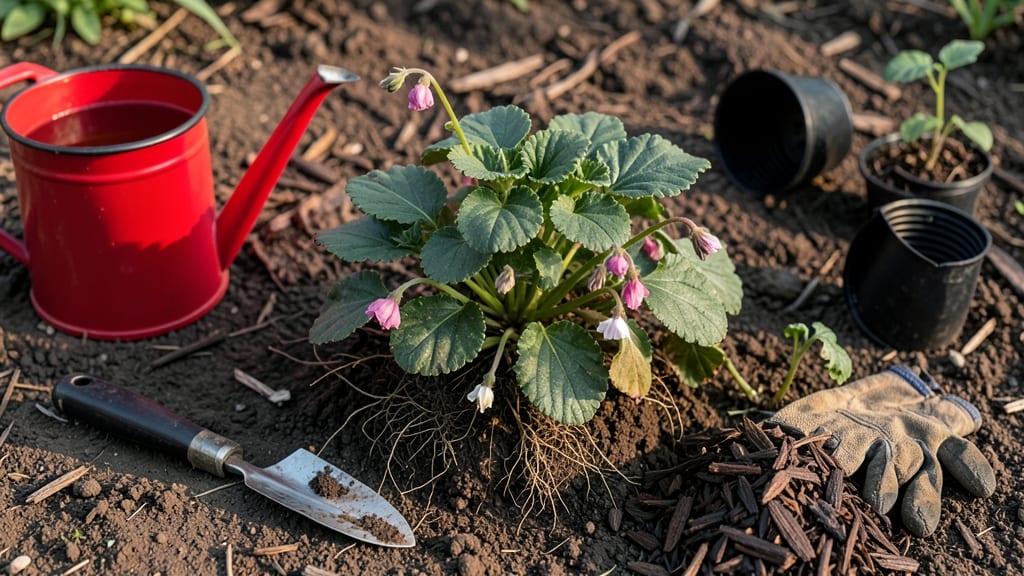
Your transplanted plants are wilting because their roots are screaming for help—usually from shock, damage, or sudden environmental changes. 🌱 I’ve nursed back more than a dozen droopy transplants over the years, and the key is acting fast with the right care.
Most gardeners panic and overwater, but the real fix lies in gentle adjustments, not brute force.
The first step is checking root health: healthy roots should be white or pale with a few fine hairs, while damaged roots look brown, mushy, or brittle.
If you see root rot or dried-out strands, that’s your clue to adjust watering immediately—neither soggy soil nor bone-dry dirt helps wilting plants recover. Trim any mushy roots with clean scissors, then replant in fresh, moist soil that drains well.
After replanting, give your plants a shade break for 2–3 days to reduce stress—direct sun after transplanting is like slamming them with a coffee shot. Mist the leaves lightly in the morning to boost humidity, and water deeply only when the top inch of soil feels dry.
Within a week, you’ll see new growth pushing through as roots re-establish.
Prevent future wilting by hardening off seedlings before transplanting (acclimate them to outdoor conditions over 7–10 days) and choosing containers with drainage holes. The goal is to make roots feel at home, not like they’ve been uprooted again. Stick with me, and your plants will bounce back stronger than ever.
Root Shock After Relocation
Transplanting plants is like giving them a mini survival challenge—especially when their leaves start wilting soon after. The most common culprit? Root shock, a physiological stress response triggered by the disruption of a plant’s delicate root system.
Let’s break down why this happens and what’s really going on below the soil line.
When you uproot a plant, even carefully, you damage root hairs—the tiny, hair-like extensions responsible for absorbing water and nutrients. These microscopic structures are fragile and regenerate slowly.
Once disturbed: - Reduced water uptake: Damaged roots struggle to absorb moisture efficiently, leading to dehydration (even if the soil looks damp). - Oxygen deprivation: Compacted or overly wet soil after transplanting can suffocate roots, slowing recovery.
Roots need aeration to respire (yes, they breathe!). - Hormonal imbalance: Roots produce cytokinins (growth hormones) that signal the plant to grow. Disrupted roots mean fewer hormones, causing wilting as the plant “waits” for signals.
💡 Pro Tip: Gently tease out roots (don’t force them) and loosen surrounding soil before replanting to minimize trauma.
Plants experience osmotic shock when their root zone changes abruptly—whether from repotting, moving to a new soil mix, or adjusting to a different environment. Here’s how it plays out: - Soil salinity spikes: Fresh potting mix or garden soil may contain fertilizers or salts that haven’t leached out yet.
High salinity draws water out of roots via osmosis, causing wilting even if the soil is moist. - pH mismatches: If your new soil’s pH is drastically different (e.g., acidic vs. alkaline), roots can’t absorb nutrients like phosphorus or iron, leading to nutrient deficiency stress. - Waterlogging or drought: Overwatering post-transplant can drown roots, while underwatering leaves them thirsty.
Both trigger wilting as the plant struggles to balance hydration.
✨ Fix It Fast: Water lightly after transplanting (unless the plant is drought-tolerant) and flush the soil with rainwater or distilled water to reduce salinity.
Plants are sensitive to their surroundings, and a sudden change in light, temperature, or humidity can send them into shock.
Common triggers: - Cold or heat stress: Moving a tropical plant from indoors to a chilly garage or vice versa can cause transpiration rates to spike (water loss through leaves outpaces absorption). - Wind or drafts: Post-transplant, exposed roots or leaves may dry out faster due to airflow.
This is especially true for broadleaf plants like ferns or coleus. - Light intensity shock: A plant accustomed to shade wilting in full sun (or vice versa) can’t adjust quickly enough, leading to photoinhibition (light damage to chlorophyll).
🌡️ Actionable Tip: Acclimate plants gradually to new conditions over 3–5 days. Use shade cloth for sunny spots or move potted plants to a sheltered area.
Handling plants during transplanting can introduce hidden threats:
- Root-rotting fungi (like Phytophthora) or bacteria (Erwinia) may hitch a ride on dirty tools or soil, infecting fresh wounds.
- Nematodes (microscopic worms) thrive in disturbed soil, piercing roots and disrupting nutrient flow.
- Fungal spores in damp potting mix can trigger damping-off (a deadly wilt for seedlings and cuttings).
🔪 Prevention: Sterilize tools with rubbing alcohol, use fresh potting mix, and avoid transplanting in rainy or humid conditions.
Sometimes, the wilting starts before you even replant.
Aggressive root pruning (cutting more than 10–15% of the root ball) removes the plant’s ability to sustain itself: - Reduced surface area: Fewer roots mean less water and nutrient absorption. - Hormonal disruption: Roots produce auxin, a growth regulator.
Sever too many, and the plant may stall or wilt as it recalibrates. - Exposed root collars: Burying the stem too deep or leaving it exposed can cause rot or desiccation.
👨🍳 Transplant Hack: Prune roots only if necessary—trim only circling or mushy roots, and replant at the same depth as before.
Revive Your Plants Fast
When your transplanted plants start wilting, don’t panic—there’s usually a simple fix! The key is identifying the root cause (literally and figuratively) and taking swift, targeted action.
Below, we’ll walk you through practical, step-by-step solutions for the most common issues, plus prevention tips to keep your greenery thriving after the move.
Signs: Yellowing leaves, mushy stems, water pooling in the pot, or a foul smell from the soil.
How to Fix It:
- 🚰 Stop Watering Immediately
- Let the soil dry out completely before watering again. Stick your finger 1–2 inches into the soil—if it’s damp, wait.
- 🌱 Improve Drainage
- If your pot lacks drainage holes, repot ASAP into one with holes. No holes? Drill them yourself!
- Mix in perlite, sand, or orchid bark (20–30%) to loosen compacted soil and boost airflow.
- 🪴 Check the Roots
- Gently remove the plant and inspect the roots. If they’re black, slimy, or smell rotten, trim the damaged parts with sterilized scissors.
- Replant in fresh, well-draining potting mix and avoid watering for 3–5 days to let roots recover.
💡 Prevention Tips:
- Water only when the top 1–2 inches of soil are dry.
- Use pots with drainage holes—no exceptions!
- Choose fast-draining mixes (e.g., cactus/succulent mix for drought-tolerant plants).
Signs: Crispy leaf edges, white or brown patches, or leaves curling toward the light.
How to Fix It:
- 🌿 Move to Shade Immediately
- If your plant was in low light indoors and now sits in direct sun, relocate it to bright, indirect light for 1–2 weeks.
- Use a sheer curtain to filter harsh afternoon rays if outdoors.
- 💦 Hydrate & Mist
- Sunburned leaves lose moisture fast. Water deeply and mist foliage to restore humidity.
- Trim severely damaged leaves with clean scissors to help the plant focus on recovery.
- 🌱 Gradual Acclimation
- If you want to move it back to sun, harden it off over 7–10 days: start with 2 hours of morning sun, then slowly increase exposure.
💡 Prevention Tips:
- Research your plant’s light needs before transplanting (e.g., ferns = shade; succulents = full sun).
- Morning sun is gentler than afternoon heat—ideal for transitioning plants.
- Use reflective surfaces (like white walls) to bounce light softly if needed.
Signs: Roots circling the pot, soil drying out too fast, or new growth stunted despite regular watering.
How to Fix It:
- 🪴 Repot into a Larger Container
- Choose a pot 2–3 inches wider than the current one. Roots need space to spread!
- Loosen the root ball gently before replanting to encourage outward growth.
- 🌱 Refresh the Soil
- Remove old, depleted soil and replace it with fresh, nutrient-rich potting mix.
- Add a slow-release fertilizer (like osmocote) to give roots a boost.
- 💧 Water Deeply After Repotting
- Give the plant a slow, thorough drink to help roots re-establish. Avoid soggy soil for the first week.
💡 Prevention Tips:
- Repot every 1–2 years (or when roots escape drainage holes).
- Use self-watering pots for forgetful gardeners—they help regulate moisture.
- Prune roots if they’re severely tangled to prevent future stress.
Signs: Drooping leaves, crispy edges, or plants wilting even when soil is moist.
How to Fix It:
- 🌡️ Adjust the Environment
- Too cold? Move plants away from drafts (AC vents, windows in winter).
- Too hot? Increase airflow with a small fan (set to low) or move to a cooler spot.
- Low humidity? Place the pot on a pebble tray with water or use a humidifier nearby.
- 🍃 Trim Damaged Foliage
- Snip off brown, crispy leaves to reduce water loss and redirect energy to healthy growth.
- 🌱 Acclimate Slowly
- If moving between indoors/outdoors, do it gradually (e.g., 1 hour extra outside daily).
💡 Prevention Tips:
- Group plants together to create a microclimate with stable humidity.
- Avoid placing pots near heat sources (radiators, ovens) or cold drafts (open windows in winter).
- Mist leaves occasionally for tropical plants (e.g., ferns, calatheas).
Signs: Sticky residue on leaves, tiny webs, or sudden wilting despite care.
How to Fix It:
- 🔍 Inspect & Isolate
- Check undersides of leaves and stems for pests. Quarantine the plant if needed.
- 🚿 Clean with Soapy Water
- Mix 1 tsp mild soap + 1 quart water, spray leaves thoroughly, and rinse after 10 minutes.
- 🌿 Natural Remedies
- Neem oil spray (1 tsp neem oil + 1 tsp soap + 1 quart water) – repeat weekly.
- Introduce beneficial insects (ladybugs, lacewings) for organic control.
💡 Prevention Tips:
- Quarantine new plants for 2 weeks before introducing them to others.
- Wipe leaves monthly with a damp cloth to remove dust (pests love hiding there).
- Avoid over-fertilizing—weak plants attract pests!
No matter the cause, follow these quick recovery steps:
- 🌿 Trim dead/dying leaves to reduce stress.
- 💧 Water only when soil is dry (overwatering kills more than underwatering!).
- 🌡️ Keep temps stable (most houseplants prefer 65–75°F).
- 🌱 Monitor for 2–4 weeks—new growth is a great sign!
Remember: Wilting after transplanting is often temporary. With the right care, your plants will bounce back—and next time, they’ll handle the move like pros! 🌱✨
Frequently asked questions
How long should I wait before watering my wilting plants after transplanting?
Wait until the top 1–2 inches of soil feel dry to the touch—usually 3–5 days after transplanting. Overwatering suffocates roots and worsens shock. Stick your finger in the soil to check moisture levels before watering again.
Can I use rooting hormone to help my transplanted plants recover?
Rooting hormone can help if your plants are struggling with root damage or slow regrowth. Dip the roots in hormone powder before replanting to encourage faster root establishment. For delicate plants like ferns or orchids, use a gentle gel instead to avoid stressing the roots further.
Why are some leaves wilting while others stay firm?
This is common! Older leaves often wilt first because they’re less flexible and prioritize water to new growth. If only lower leaves are drooping but upper ones stay firm, it’s usually transplant shock. If new leaves are wilting, check for pests, overwatering, or nutrient deficiencies.
Should I fertilize my plants right after transplanting?
No—wait 4–6 weeks before fertilizing. Freshly transplanted plants need time to recover, and fertilizer can burn damaged roots or disrupt their balance. Start with a light dose of diluted fertilizer (half-strength) if you notice slow growth after recovery.
What’s the best time of day to transplant plants to minimize wilting?
Transplant in the early morning or late afternoon when temperatures are cooler and humidity is higher. Avoid midday heat, which increases water loss through leaves. If transplanting outdoors, choose a cloudy day to reduce stress from direct sunlight.