
Planting
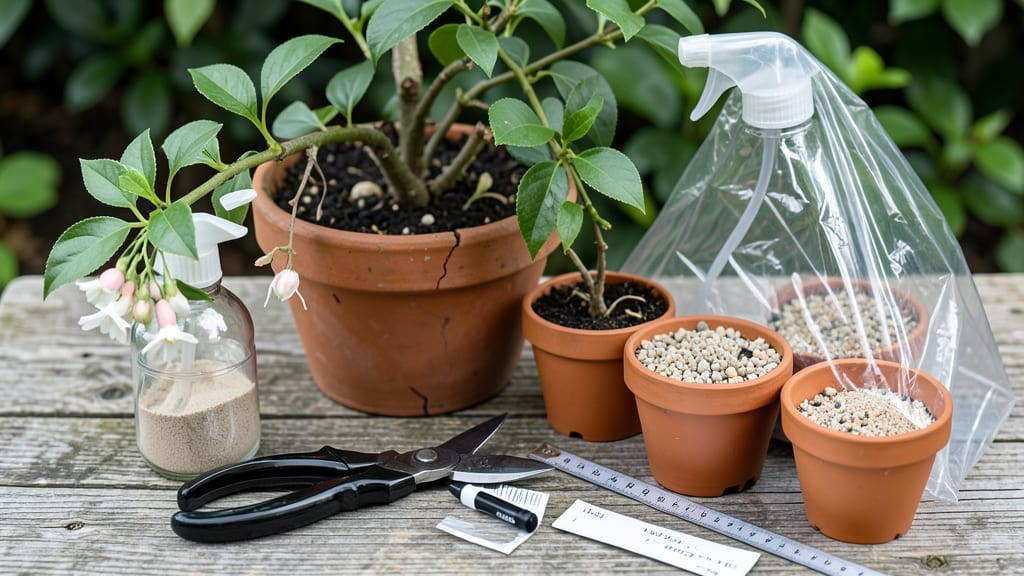
Taking jasmine cuttings is the easiest way to get free, fragrant plants—if you do it right. ✨ I’ve propagated jasmine for years, and the secret isn’t in fancy tools but in timing, clean cuts, and patience.
Most people rush the process and end up with sad, wilted stems, but with these three stages, your cuttings will root like champs every time.
You’ll need just a few basics: sharp pruning shears, rooting hormone (optional but helpful), small pots or jars, and a warm spot with bright, indirect light.
The best time to take cuttings is in early summer when new growth is vigorous, but you can also try it in spring or early fall. Each cutting should be 4-6 inches long with at least two leaf nodes—those little bumps where leaves and roots grow.
Start by dipping the cut end in rooting hormone, then place it in water or moist soil. Keep the humidity high with a plastic bag or clear container, and within 4-6 weeks, you’ll see roots forming.
The moment you spot new growth, you know it’s thriving. No more store-bought jasmine—just lush, fragrant vines growing from your own cuttings.
Common mistakes? Overwatering (which causes rot) or not enough light (which stalls growth). Stick to the simple routine, and you’ll have healthy new plants ready to fill your garden—or share with neighbors who’ll be jealous of your green thumb.
📚 In This Guide
- What you need
- Instructions
- Tips and common mistakes
- Wrapping up and next steps
What you need
- ● Healthy jasmine plant: Choose a non-flowering vine (4–6 inches long) with at least 2–3 leaf nodes.
- ● Sharp pruning shears or scissors: Sterilized (rubbing alcohol wipe) to prevent disease. (Avoid dull tools—they crush stems!)
- ○ Rooting hormone (optional but recommended): A powder or gel (e.g., Rootone) to boost root growth.
- ● Well-draining potting mix: A blend of 50% perlite, 30% peat moss, and 20% coconut coir (or a pre-made cactus/succulent mix).
- ● Small pots or propagation trays: 3–4 inch diameter with drainage holes (1 pot per cutting).
- ● Plastic bags or clear domes: To create a humid microenvironment (e.g., a ziplock bag with holes or a humidity tent).
- ● Spray bottle with water: Room-temperature, filtered water for misting.
- ● Twine or plant ties: To secure cuttings if needed (e.g., for support in water propagation).
- ● Bottom heat mat: Keeps soil warm (70–75°F) to speed up rooting.
- ● Grow lights or bright indirect sunlight: For faster growth if natural light is limited.
- ● Fungicide (e.g., hydrogen peroxide 3%): Diluted spray (1:10 ratio) to prevent rot.
- ● Label markers: To track cutting dates and varieties.
- ● Hydrogen peroxide (3%) or cinnamon powder: For sterilizing cuts.
Step-by-Step instructions for propagating jasmine cuttings
Here's the foolproof method I use to multiply my jasmine plants every spring—no fancy tools, just patience and the right timing.
🌿 Step 1: Select and Prepare Healthy Cuttings
Choose 4-inch long stems from the current season's growth—look for wood that's still green but slightly woody, not fully mature or last year's growth. The best cuttings come from non-flowering tips since they focus energy on rooting instead of blooms. Use clean, sharp scissors to make a 45-degree angle cut just below a leaf node (that little bump where leaves grow).
Remove the lower leaves, leaving just 2-3 leaves at the top. This reduces moisture loss while the cutting focuses on root development. Strip any flowers or buds—jasmine will root better when it's not trying to bloom. I like to dip the cut end in rooting hormone powder (optional but helps), then set it aside while I prepare the next cutting.
💧 Step 2: Root in Water or Moist Medium
Fill a clean glass jar with room-temperature water (jasmine roots easily in water, but you can also use a moistened perlite/sand mix if you prefer soil). Submerge the cut end 1-2 inches deep—only the bottom half should be underwater. Change the water every 3-4 days to prevent bacteria growth. Place the jar in bright, indirect light (no direct sun—it overheats the water).
You'll see tiny white roots in 2-4 weeks—watch for them curling around the jar. If using soil, keep the medium consistently moist (not soggy) and cover the pot with a plastic bag to retain humidity. The key is patience: jasmine cuttings take longer to root than some plants, so don't give up if nothing happens in the first week.
✂️ Step 3: Transplant and Establish New Plants
Once roots reach 1-2 inches long, it's time to transplant. Fill a small pot (4-6 inches) with well-draining potting mix—jasmine hates soggy roots. Gently remove the cutting from water, rinse off any rooting hormone residue, then plant it 1 inch deeper than it was in water. Press the soil lightly around the stem to secure it.
Water lightly and place the new plant in bright, indirect light for 1-2 weeks to recover. After that, gradually introduce it to morning sun (jasmine loves sun but burns easily when shocked). You'll know it's thriving when new leaves appear—that's your signal to fertilize lightly with a balanced houseplant food every 4-6 weeks during growing season.
☀️ Step 4: Maintain and Encourage Growth
Keep the soil evenly moist but never waterlogged—jasmine roots rot quickly if overwatered. Once established, water when the top inch of soil feels dry. Prune back any leggy growth in early spring to encourage bushier, fragrant plants. I also pinch off the first few flowers that appear—the plant will reward you with more abundant blooms later in the season.
With four cuttings, you'll have four new jasmine plants in just a few months. The best part? These new plants will start flowering within their first year if given proper care. Just remember: jasmine loves warmth, humidity, and patience—rush the process, and you'll end up with weak, struggling plants.
Tips & tricks for stress-free jasmine plant propagation
These simple strategies will help you avoid common pitfalls and maximize your success with jasmine cuttings.
The Right Time Matters: Spring is ideal for propagating jasmine, but timing within the season counts too. Aim for early spring when new growth appears but before the first flowers bloom. I've found that cuttings taken after pruning in late winter often root faster because the plant is actively growing. Avoid taking cuttings during extreme heat or cold—jasmine struggles in both conditions.
Cutting Angle Technique: That 45-degree angle cut in Step 1 isn't just decoration—it increases surface area for root development. Use clean, sharp scissors to make the cut just below a leaf node. If your scissors aren't sharp, the cut will crush the stem, making it harder for roots to form. I like to wipe the blade with rubbing alcohol between cuts to prevent any potential contamination.
Rooting Environment Secrets: For water propagation, use a clear jar so you can watch roots develop—it's oddly satisfying! Keep the water at room temperature (around 70°F) and change it every 3-4 days as instructed. If using soil, mix perlite with your potting mix for better drainage. I've had success with a 50/50 perlite-to-soil mix, which prevents soggy conditions that jasmine roots hate.
Transplanting Confidence: When roots reach 1-2 inches in Step 3, don't rush the transplant. Gently rinse off any rooting hormone residue—this prevents chemical buildup that could inhibit growth. Planting 1 inch deeper than the water level helps stabilize the cutting. After transplanting, I find it helpful to mist the leaves lightly with water to reduce stress during the first week in bright, indirect light.
Pro Tips for Take Cuttings From Jasmine Plant
- These simple strategies will help you avoid common pitfalls and maximize your success with jasmine cuttings.
- The Right Time Matters: Spring is ideal for propagating jasmine, but timing within the season counts too.
- Cutting Angle Technique: That 45-degree angle cut in Step 1 isn't just decoration—it increases surface area for root development.
Frequently asked questions
Got questions about propagating your jasmine plant? You’re not alone! Here are some of the most common queries—plus clear, no-fuss answers to help you grow like a pro.
When is the best time to take jasmine cuttings?
The ideal window is late spring or early summer when the plant is actively growing and producing new, flexible stems. Avoid winter cuttings—they’re dormant and won’t root well. If you’re in a warm climate, fall can also work, but prioritize healthy, non-flowering growth.
How long does it take for jasmine cuttings to root?
With patience (and the right conditions!), most jasmine cuttings develop roots in 4–8 weeks. Keep the soil moist but not soggy, and place them in bright, indirect light. If you’re using rooting hormone, you might see faster results—sometimes as early as 2–3 weeks.
What if my jasmine cuttings turn yellow or wilt?
Yellowing or wilting is usually a sign of overwatering, poor drainage, or stress. Let the soil dry slightly between waterings, and ensure your cuttings get humidity (try a plastic bag or propagator). If the leaves feel mushy, trim the damaged parts and repot in fresh, well-draining soil.
Can I root jasmine cuttings in water instead of soil?
Yes! Jasmine cuttings can root in water, but success rates are lower than soil propagation. Use room-temperature water and change it every 3–5 days to prevent bacterial growth. Once roots are 2–3 inches long (usually 4–6 weeks), transplant to soil. Pro tip: Add a pinch of cinnamon to the water to inhibit mold!
How do I encourage my jasmine cuttings to grow bushier?
Pinch back the tips of new growth when your cuttings are about 4–6 inches tall. This redirects energy to side shoots, creating a fuller plant. Also, rotate your cuttings occasionally to ensure even light exposure—jasmine loves to sprawl, so give it room to thrive!
Wrapping up and next steps
Taking cuttings from your jasmine plant is a rewarding way to expand your garden—and you’ve got this! 🌿 With the right tools, timing, and care, you’ll soon have thriving new plants ready to climb and bloom.
Now that you’re equipped with the know-how, why not share the love? Try propagating a few cuttings today, and in no time, you’ll have lush jasmine vines to gift to friends or brighten up new spaces.
Ready for more? Experiment with different varieties or explore creative ways to train your new plants—like trellises or hanging baskets! Happy gardening! 🌸