
Planting
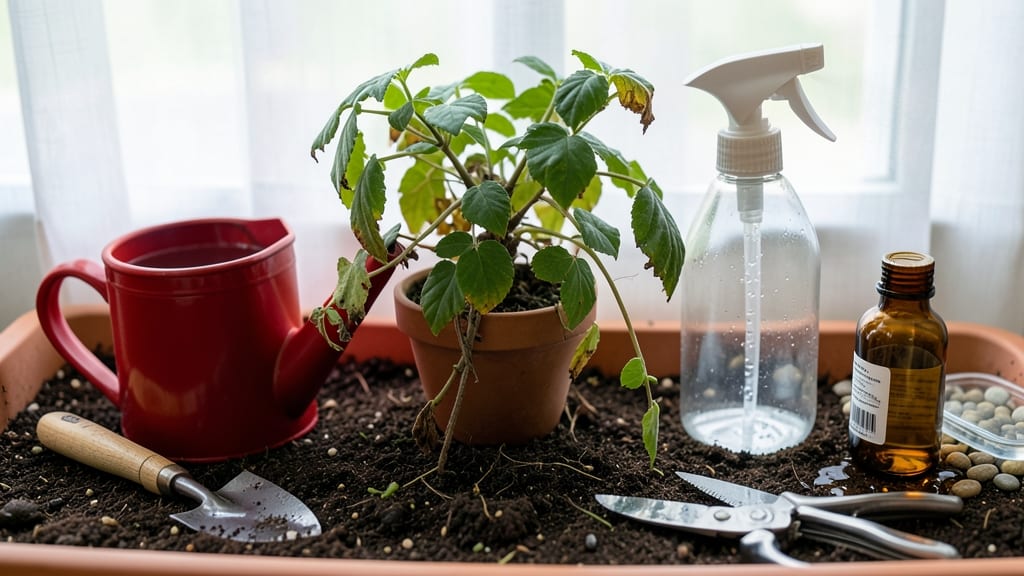
Reviving a fuchsia plant starts with understanding its mood swings—those droopy leaves aren’t a death sentence, just a cry for help. 🌿 I’ve nursed more than my share of sad fuchsias back to life, and the secret lies in fixing one (or all) of three common issues: water stress, root rot, or pests hiding in the foliage.
These delicate beauties thrive on consistency, so let’s get them back to their lush, blooming selves.
First, check the roots—they’re the real storytellers. Healthy roots should be firm and pale, while mushy or black roots scream "too much water!" If that’s the case, trim the damaged bits, repot in fresh, well-draining soil, and hold off on watering for a few days.
Fuchsias hate soggy feet, so we’re giving them a chance to breathe. Meanwhile, inspect the leaves for pests like spider mites or aphids—they’ll suck the life right out of your plant if left unchecked.
Once the roots are happy and pests are gone, adjust your watering routine. Fuchsias want their soil to stay evenly moist but never soggy—think of it like a damp sponge, not a swamp.
A quick prune to remove dead or yellowing leaves will help the plant focus its energy on new growth. Within a few weeks, you’ll see fresh leaves pushing out, and before you know it, those signature pendulous blooms will be back in full force.
Prevention is your best friend here: use pots with drainage holes, water at the base (not overhead), and keep your fuchsia in bright, indirect light. These plants are divas, but they’re worth the extra care—they’ll reward you with nonstop blooms from spring until frost.
Trust the process, and your fuchsia will be begging for more attention (in the best way).
📚 In This Guide
- What you need
- Instructions
- Tips and common mistakes
- Wrapping up and next steps
What you need
- ● Pruning shears or clean, sharp scissors – Sterilize with rubbing alcohol to prevent disease spread.
- ● Well-draining potting mix – Opt for a blend labeled for acid-loving plants (e.g., 50% peat moss + 50% perlite or coconut coir). Quantity: Enough to refill the pot (typically 1–3 gallons, depending on pot size).
- ● Clean container or pot – Ensure it has drainage holes. Size: Slightly larger than the current pot (1–2 inches wider).
- ● Distilled or rainwater – Tap water can harm fuchsias due to chlorine/fluoride. Quantity: As needed for watering (aim for consistency).
- ● Fertilizer for acid-loving plants – A balanced, water-soluble fertilizer (e.g., 10-10-10 or 20-20-20) or fish emulsion. Dilution: Half-strength to avoid burning roots.
- ● Hydrogen peroxide (3%) – For sterilizing pruning tools or soaking roots if fungal issues are suspected. Quantity: Small bottle (4 oz).
- ○ Plastic wrap or humidity dome – To create a mini greenhouse effect while the plant recovers. Optional but helpful for root establishment.
- ● Rooting hormone – Speeds up propagation if you’re taking cuttings (e.g., powder or gel).
- ● Moss or sphagnum peat – For extra moisture retention around the base.
- ● Grow lights or sunny windowsill – If your fuchsia needs extra light (4–6 hours of indirect light daily).
- ● Epsom salt – A magnesium boost (1 tsp per gallon of water) can revive stressed plants.
- ● Fungicide (e.g., neem oil or copper-based) – If you spot mold, mildew, or pests.
Step-by-Step instructions for reviving a fuchsia plant
Here's how I nurse a struggling fuchsia back to life—no fancy tools, just careful attention.
💧 Step 1: Check and Adjust Watering Habits
Fuchsias wilt when their roots sit in soggy soil or dry out completely. Stick your finger 1 inch deep into the soil—if it feels bone-dry, water thoroughly until water runs from the drainage hole. If it's still damp, wait another day.
I use room-temperature water to avoid shocking the roots. Water at the base, not overhead, to prevent fungal issues. You'll notice leaves perk up within 24-48 hours if watering was the problem—watch for that first sign of recovery.
☀️ Step 2: Evaluate Light Exposure
Fuchsias need bright, indirect light—they'll wilt if scorched by direct sun or left in dim corners. Move your plant to a spot with morning sun and afternoon shade. A north- or east-facing window works best in most homes.
If your plant was in harsh afternoon sun, you'll see crispy leaf edges within days of moving it. For indoor plants, rotate the pot quarter-turn weekly so growth stays even. Avoid fluorescent lights—they won't provide enough intensity for recovery.
🌿 Step 3: Inspect for Pests and Disease
Run your fingers gently over the stems and undersides of leaves. Look for sticky residue (aphids), white webbing (spider mites), or black sooty mold on leaves—these all stress fuchsias. Wipe leaves with a damp cloth if you see dust or pests.
If you spot pests, isolate the plant immediately. Spray with neem oil solution (1 tsp neem oil + 1 quart water) and repeat every 3-4 days for two weeks. You'll know it's working when new growth appears without pests hitching a ride.
✂️ Step 4: Prune Damaged Growth
Use clean, sharp scissors to trim any mushy, yellow, or brown stems back to healthy green growth. Cut at a 45-degree angle just above a leaf node. This encourages new shoots and improves airflow around the plant.
Don't over-prune—remove only what's clearly dead. Healthy fuchsias grow back quickly, so you'll see fresh buds within 2-3 weeks. After pruning, give the plant a light fertilizer (half-strength) to support new growth.
🪴 Step 5: Refresh the Root Environment
If your fuchsia has been in the same pot for years, its roots may be root-bound. Gently slide the plant from its pot and check for roots circling the bottom. If you see this, trim the circling roots with sterilized scissors and repot into fresh well-draining potting mix.
Fuchsias prefer moist but not soggy soil. Mix in 20% perlite to improve drainage if your soil packs down easily. After repotting, water lightly and place in filtered light for 5-7 days to reduce transplant shock.
Tips & tricks for bringing back your fuchsia plant
These simple tricks will help you identify the root cause—and fix it—before your fuchsia gives up for good.
Watering Wisdom: The 1-inch soil check in Step 1 is your golden rule. If your finger comes out clean and dry, you've been underwatering. If it's still damp after 24 hours, you're overwatering. I've seen fuchsias recover in just 24-48 hours once I got their watering right—it's that sensitive! Use a moisture meter if you're unsure; they're cheap and take the guesswork out of it.
Light Location Secrets: That morning sun and afternoon shade combo in Step 2 is non-negotiable. If your fuchsia was in direct afternoon sun, you'll notice crispy brown edges within days of moving it. For indoor plants, I swear by rotating the pot every week—it keeps growth even and prevents lopsided plants. A sheer curtain can diffuse harsh light if you don't have an ideal window spot.
Pest Patrol Pro Tip: When checking for pests in Step 3, don't just look at the leaves—flip over every stem and check the undersides of leaves too. I once missed spider mites because I only looked at the top leaves, and they nearly destroyed my plant. If you see webbing, act fast—the neem oil solution works best when applied right away. Spray both sides of leaves and the stems for complete coverage.
Pruning Precision: That 45-degree angle cut in Step 4 isn't just for looks—it helps water run off the cut instead of pooling. When pruning, make your cuts just above a leaf node (where leaves grow out), and you'll encourage new growth from that spot. I always sterilize my scissors with rubbing alcohol between cuts to prevent spreading any potential infections.
Pro Tips for Revive A Fuchsia Plant
- These simple tricks will help you identify the root cause—and fix it—before your fuchsia gives up for good.
- Watering Wisdom: The 1-inch soil check in Step 1 is your golden rule.
- Light Location Secrets: That morning sun and afternoon shade combo in Step 2 is non-negotiable.
Frequently asked questions
Got questions about bringing your fuchsia back from the brink? You’re not alone! Here are answers to the most common concerns—so you can nurse your plant back to vibrant, blooming health with confidence.
Can I revive a fuchsia with only brown, crispy stems?
If the stems are completely brown and mushy (not just wilted), the plant may be beyond saving. However, if only the tips are crispy, trim them back to healthy green tissue and focus on hydration and airflow. For severely damaged plants, try propagating cuttings—sometimes roots will still sprout from the base!
How long does it take to revive a fuchsia?
With the right care, you’ll see improvement in 1–2 weeks—new growth, perked-up leaves, or even buds forming. Full recovery (back to blooming) can take 4–8 weeks, depending on the damage. Be patient! Overwatering or stress can delay progress, so stick to the revival routine.
Should I water a fuchsia before or after pruning dead leaves?
Water lightly the day before pruning to reduce stress, but avoid soggy soil. After trimming, wait 24–48 hours before watering again—this helps the cuts heal and prevents rot. Think of it like giving your plant a mini “time-out” to recover!
Can I revive a fuchsia that’s been in full sun all summer?
Fuchsias hate harsh sun—they thrive in morning light or dappled shade. Move your plant to a shadier spot immediately and monitor for sunburn (yellow/brown patches). If roots are damaged from heat stress, soak the pot in water for 10 minutes to flush out excess salt buildup.
What if my fuchsia keeps wilting even after I fix the soil?
Check for hidden pests (like spider mites or aphids) on the undersides of leaves or roots. Wipe leaves with soapy water or treat with neem oil. Also, ensure the pot has drainage holes—root rot from poor drainage is a sneaky killer. If all else fails, take stem cuttings to propagate new plants!
| Issue | Quick Fix |
|---|---|
| Yellow leaves | Check for overwatering or nutrient deficiency (use balanced fertilizer). |
| No new growth | Trim dead stems and move to brighter (but indirect) light. |
| Dropping buds | Reduce stress—avoid drafts and keep humidity up with a pebble tray. |
Wrapping up and next steps
Reviving a struggling fuchsia plant is absolutely doable with patience, the right care, and a little love! 🌿 By addressing root health, hydration, light exposure, and pruning, you’ll give your plant the fresh start it deserves. Remember, even the most wilted fuchsias can bounce back—just like you, they’re resilient!
Now that you’re armed with the know-how, take action today. Start with one small step—whether it’s trimming dead leaves, adjusting your watering routine, or moving your plant to a sunnier spot.
Before you know it, those droopy stems will stand tall, and those vibrant blooms will be back in full force. Happy gardening! 🌸