
Planting
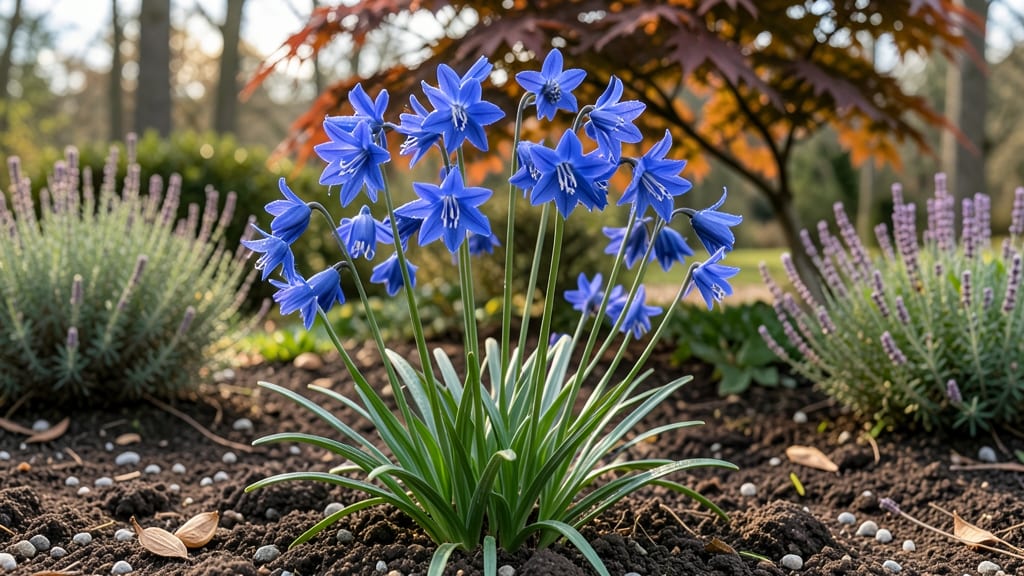
Growing glory of the snow plants means waking up to delicate white blooms even in late winter. 🌱 These cheerful bulbs thrive where spring crocuses and daffodils struggle, popping up through snow or bare soil with minimal fuss.
The secret lies in their cold-hardy nature and simple care requirements—no coddling needed. They prefer well-draining soil and a sunny spot (though they tolerate partial shade), making them perfect for borders, rock gardens, or even containers.
Plant bulbs 3-4 inches deep in fall, and they'll reward you with clusters of star-shaped flowers that last for weeks. Varieties like Chionodoxa luciliae and Chionodoxa forbesii offer different bloom times and heights, so you can layer them for continuous color.
Once established, they're nearly self-sufficient—water only during dry spells and cut back foliage after it yellows. The bulbs multiply over time, creating naturalizing drifts that multiply your impact. Few plants deliver this much joy with so little effort. For best results, divide crowded clumps every 3-4 years to maintain vigor.
They handle neglect beautifully, but a little attention ensures they keep blooming reliably year after year.
📚 In This Guide
- What you need
- Instructions
- Tips and common mistakes
- Wrapping up and next steps
What you need
- ● Glory of the Snow bulbs: 10–20 bulbs (depending on desired coverage; larger quantities for borders or containers). Choose firm, plump bulbs with no soft spots.
- ● Well-draining potting mix or garden soil: For containers: 1–2 gallons of lightweight, well-draining mix (e.g., 60% potting soil + 30% perlite + 10% compost).
- ● For garden beds: Amend heavy clay soil with 2–3 inches of organic matter (compost or peat moss) to improve drainage.
- ● Garden trowel or bulb planter: A 6–8 inch trowel works best for digging holes.
- ● Watering can or hose with a gentle spray nozzle: Avoid overwatering—these bulbs hate soggy soil!
- ○ Mulch (optional but recommended): 1–2 inches of shredded bark, straw, or pine needles to protect bulbs in winter.
- ● Slow-release bulb fertilizer: A granular formula (5-10-10 ratio) to give bulbs a nutrient boost at planting.
- ● Container with drainage holes: If planting in pots (e.g., 6–12 inch diameter for 3–5 bulbs).
- ● Plant labels or markers: To track varieties if mixing colors (e.g., blue, white, or pink).
- ● Garden gloves: For cleaner hands while handling soil or bulbs.
Step-by-step guide to growing Glory of the snow plant
This hardy perennial thrives with almost no effort—here’s how to get those iconic white blooms year after year.
🪴 Step 1: Choose the Right Location and Soil
Glory of the snow (Chionodoxa) loves full sun to partial shade—at least 4-6 hours of direct sunlight daily. I plant mine where morning sun warms the soil but afternoon shade prevents wilting. The soil should drain well but still retain moisture; amending heavy clay with 1-2 inches of compost improves drainage without compacting.
Test your spot by pressing a finger into the soil—it should feel slightly moist but not soggy. If your yard drains poorly, plant in a raised bed or container with drainage holes. The roots hate sitting wet, which leads to rot and lost blooms. Here’s the thing—this plant is tough, but soggy soil will kill it faster than anything else.
🌱 Step 2: Plant Bulbs at the Right Depth and Spacing
Dig holes 4-6 inches deep—about 3 times the bulb’s height. Plant bulbs 2-3 inches apart in groups of 5-7 for a natural, drift-like look. I tap each bulb gently into place so it sits upright, then cover with soil. A light layer of mulch (about 1 inch thick) helps retain moisture and keeps weeds down.
Don’t bury them too deep—they won’t bloom as well. If you’re unsure, dig a hole, place the bulb inside, and cover it with soil. The top of the bulb should be just below the soil line. Water deeply after planting to settle the soil around the roots. You’ll see tiny green shoots in 3-4 weeks, signaling everything’s on track.
☀️ Step 3: Water and Fertilize for Strong Growth
Water once a week during the first growing season, giving 1 inch of water total. After establishment, they’re drought-tolerant, but consistent moisture encourages bigger blooms. I use a soaker hose to avoid wetting the foliage, which prevents fungal issues. Fertilize lightly in early spring with a balanced 10-10-10 fertilizer—just a handful sprinkled around the base.
Skip heavy fertilizers; these bulbs thrive on neglect. Too much nitrogen makes them grow leaves instead of flowers. You’ll know you’re doing it right when the foliage is vibrant green and the stems are sturdy. If leaves yellow or wilt, cut back on watering—they’re telling you they’re getting too much moisture.
✂️ Step 4: Deadhead and Maintain for Next Year’s Blooms
After flowering, let the foliage die back naturally—it feeds the bulb for next year’s blooms. I snip off spent flower stalks at the base with clean pruners, but leave the leaves until they turn brown. This plant stores energy in its bulbs, so don’t rush the process. In late summer, reduce watering to prepare for dormancy.
In fall, add a 1-inch layer of mulch to insulate the soil. Glory of the snow is hardy to USDA Zone 3, but mulch helps protect it in colder climates. You’ll see those familiar white blooms again in early spring—proof you’re doing it right. Real talk: once established, this plant is nearly foolproof.
⏰ Step 5: Divide and Multiply Every 3-4 Years
When blooms slow down, it’s time to divide. Dig up the clump in early fall or spring, separate the bulbs gently, and replant the healthiest ones. I discard any soft or mushy bulbs—they won’t regrow. Replant divisions 4-6 inches deep and water lightly. You’ll have fresh, vibrant blooms within 2-3 years.
This is the moment that matters: dividing keeps your garden looking full and prevents overcrowding. If you skip this step, your plants may bloom less vigorously over time. But don’t worry—even neglected clumps will eventually recover after a good division.
Tips & tricks for perfect Glory of the snow plant
Here's what nobody tells you about making this low-maintenance beauty thrive even better.
Sunlight Strategy: While 4-6 hours of sun works, I've found that morning sun (east-facing) plus afternoon shade (west-facing) produces the most vibrant blooms. If your garden gets intense afternoon sun in summer, consider planting near a tree that provides dappled shade—this mimics their natural woodland habitat and prevents scorching. The key is that morning sun warms the soil gently, waking up the bulbs for spring blooms.
Planting Depth Hack: The 4-6 inch depth guideline is perfect, but here's my secret: I always plant the bulbs slightly deeper in sandy soil (6 inches) and slightly shallower in heavy clay (4 inches). You can test your soil type by squeezing a handful—if it forms a tight ball when wet, it's clay; if it crumbles easily, it's sandy. This adjustment prevents rot in wet soils and ensures proper blooming in dry ones.
Watering Wisdom: That 1 inch per week guideline is ideal, but I've learned to adjust based on weather. During the first growing season, I check soil moisture by sticking my finger 2 inches down—if it's dry, water; if moist, wait. After establishment, these bulbs can handle drought, but they'll reward you with bigger blooms if you maintain consistent moisture during their active growing months (spring through early summer).
Fertilizer Timing: The early spring application of 10-10-10 fertilizer is spot-on, but I've discovered that adding a second, lighter feeding in late fall (just a sprinkle around the base) gives them an extra boost for next year's blooms. This mimics their natural cycle in woodland areas where they receive nutrient pulses from leaf litter decomposition. Just be gentle—too much fertilizer encourages foliage over flowers.
Pro Tips for Glory Of The Snow Plant
- Here's what nobody tells you about making this low-maintenance beauty thrive even better.
- Sunlight Strategy: While 4-6 hours of sun works, I've found that morning sun (east-facing) plus afternoon shade (west-facing) produces the most vibrant blooms.
- Planting Depth Hack: The 4-6 inch depth guideline is perfect, but here's my secret: I always plant the bulbs slightly deeper in sandy soil (6 inches) and slightly shallower in heavy clay (4 inches).
Frequently asked questions
How often should I water my Glory of the Snow plant?
Water your plant when the top 1–2 inches of soil feel dry, usually every 7–10 days. Overwatering is the #1 killer—ensure pots have drainage holes to prevent root rot. In winter, reduce watering to every 2–3 weeks since growth slows. Pro tip: Stick your finger in the soil for the best gauge!
Does Glory of the Snow need winter protection?
This hardy plant thrives in USDA Zones 3–9 and handles light frost, but heavy snow or ice can damage delicate blooms. In extreme cold (<10°F), cover the plant with a light frost cloth or move potted varieties to a sheltered spot. Mulch the base for added insulation. Bonus: Its evergreen leaves stay lush even in winter!
Why isn’t my Glory of the Snow flowering?
Lack of blooms often stems from too much shade, poor drainage, or over-fertilizing. Ensure it gets 4–6 hours of sunlight daily and prune leggy stems in early spring. Feed lightly with a balanced fertilizer (10-10-10) in spring—never in fall or winter. Quick fix: A fresh pruning can encourage new growth and flowers!
Can I grow Glory of the Snow in containers?
Use a well-draining container (at least 12 inches deep) with a mix of potting soil and perlite. Repot every 2–3 years to refresh nutrients. Container-grown plants may need more frequent watering and winter protection. Pro move: Group pots together for a stunning winter display!
What pests should I watch for?
Glory of the Snow is generally pest-resistant, but keep an eye out for aphids or spider mites, especially in dry conditions. Spray infested areas with neem oil or insecticidal soap. For severe cases, wipe leaves with a soapy water cloth. Prevention tip: Healthy plants resist pests—water and prune regularly!
Wrapping up and next steps
The Glory of the Snow plant is a true gem for gardeners and plant lovers—easy to grow, stunningly white, and packed with year-round charm. With just a little sunlight, well-draining soil, and minimal fuss, you can enjoy its delicate blooms without the stress of high-maintenance care.
Whether you’re a seasoned gardener or a beginner, this plant proves that beauty doesn’t have to come with complications!
Ready to add some effortless elegance to your garden? 🌸 Grab your Glory of the Snow plant today and watch your outdoor space transform—one snowy bloom at a time!