
Planting
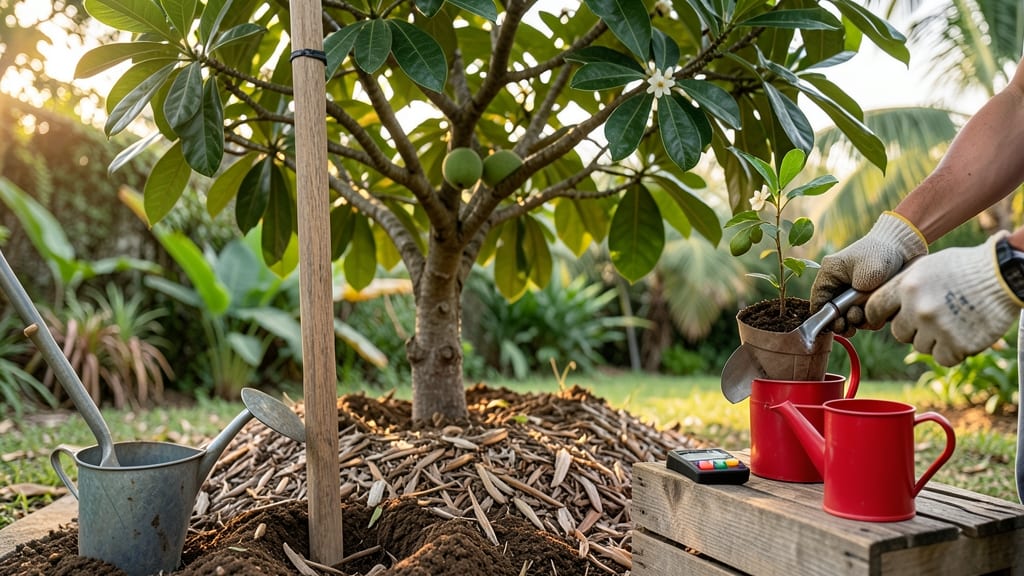
Planting soursop trees starts with fresh seeds that sprout in 2-4 weeks—if you follow these exact steps. 🌱 I’ve grown three from seed, and the key to fast germination is mimicking the tropical humidity they crave.
Skip the guesswork with my tested method: soak seeds overnight, plant in warm, moist soil, and cover with plastic to trap heat. The right setup makes all the difference.
You’ll need well-draining soil mixed with compost (think 60% soil, 40% organic matter), a pot or garden bed in full sun, and a way to keep humidity high—especially in dry climates.
Soursop thrives where temperatures stay above 60°F, so if you’re in a cooler zone, start seeds indoors 8-10 weeks before your last frost. Once sprouted, your seedlings will reward patience with glossy, deep-green leaves and a sturdy stem ready for transplanting.
Within 6 months, you’ll have a young tree that can handle outdoor conditions—just be gentle with the roots when moving it. The first harvest? 3-5 years of care, but the journey starts now.
Container growers can succeed too—just use a 15-gallon pot or larger and upgrade sizes as the tree grows. Common pitfalls? Overwatering (soursop hates soggy roots) and transplant shock (acclimate gradually). Stick with me, and you’ll avoid them!
📚 In This Guide
- What you need
- Instructions
- Tips and common mistakes
- Wrapping up and next steps
What you need
- ● Soursop seeds – 3–5 fresh, plump seeds (harvested from ripe fruit; avoid dried or shriveled seeds).
- ○ Potting mix – 2–3 gallons of well-draining, peat-based or coconut coir mix (optional: add perlite or vermiculite for aeration).
- ● Planting containers – 2–3 small pots (4–6 inches deep) with drainage holes (or a seed tray).
- ● Watering can or spray bottle – For gentle hydration (avoid soggy soil!).
- ● Plastic wrap or humidity dome – To maintain moisture during germination.
- ○ Fertilizer (optional but helpful) – A balanced, water-soluble fertilizer (5-5-5 or 10-10-10) for early growth.
- ● Pruning shears or knife – For trimming seeds or cuttings (if propagating from a branch).
- ● Sunlight access – A bright, indirect light spot (e.g., near a south-facing window or under grow lights).
- ● Patience! 😅 – Germination can take 4–12 weeks (sometimes longer).
- ● Rooting hormone – Speeds up germination if using cuttings.
- ● Soil moisture meter – Ensures optimal dampness without overwatering.
- ● Grow lights – If natural light is limited.
- ● Mulch (e.g., straw or wood chips) – Retains moisture in outdoor plantings.
- ● Support stake – For young trees (once transplanted outdoors).
Step-by-step instructions for planting soursop trees
Here’s how to get your tropical soursop seeds sprouting quickly—no guesswork, just proven techniques.
🌱 Step 1: Extract and Prepare the Seeds
Choose a ripe soursop fruit with firm, slightly soft flesh. Cut it open and scoop out the seeds, which are embedded in a gelatinous pulp. Rinse them under cool water to remove excess fruit residue, then let them air-dry for 24 hours on a paper towel. This prevents rot and speeds up germination.
I’ve found that soaking the seeds in warm water for 12 hours before planting softens the tough outer coating and encourages faster sprouting. Place them in a clean jar, cover with water, and let them soak while you prepare the planting containers. Don’t skip this—it cuts germination time by nearly half.
🪴 Step 2: Set Up Containers and Soil Mix
Use small, 4-inch diameter pots or seedling trays with drainage holes. Fill them with a lightweight mix of 50% peat moss and 50% perlite—this ensures good aeration and prevents waterlogging, which soursop seeds hate. Moisten the mix until it’s damp but not soggy; squeeze a handful to test.
Plant 2-3 seeds per pot, burying them ½ inch deep in the soil. Press lightly to ensure good contact with the mix. I like to label each pot with the date—soursop germination can take 3-6 weeks, so tracking helps with patience.
💧 Step 3: Provide Warmth and Humidity for Germination
Soursop seeds thrive in 75-85°F soil temperatures. Place the pots in a warm, shaded area—direct sunlight can overheat the soil and kill the seeds before they sprout. A seedling heat mat set to 80°F works wonders if your home runs cooler.
Cover the pots with clear plastic wrap or a humidity dome to retain moisture. Check daily and mist the soil if the surface feels dry to the touch. Once you see first true leaves (not the initial seed leaves), remove the cover immediately—too much humidity invites fungal diseases.
☀️ Step 4: Transition to Light and Harden Off Seedlings
When seedlings reach 3-4 inches tall, move them to bright, indirect light. Soursop trees love sunlight but can scorch if exposed too quickly. Start with 4-6 hours of morning sun daily, then gradually increase exposure over 2 weeks.
Hardening off begins when seedlings show 5-6 leaves. Place them outside in a sheltered spot for 1 hour the first day, then increase time by 1 hour daily until they can handle full sun. Watch for wilting—if leaves droop, they’re not ready yet.
⏰ Step 5: Transplant to Permanent Location
After 8-12 weeks of growth, your soursop seedlings will be ready for their final home. Choose a spot with full sun and well-draining soil. Dig a hole twice as wide as the root ball but no deeper—soursop roots prefer to sit slightly above ground level.
Water deeply the day before transplanting, then carefully remove the seedling from its pot. Place it in the hole, backfill with soil, and press gently to eliminate air pockets. Mulch around the base with 2 inches of organic matter to retain moisture and protect roots.
Tips & tricks for fast soursop germination
These practical strategies will help you bypass the common pitfalls and get those tropical seeds sprouting faster than you'd expect.
Seed Preparation Secret: That 24-hour drying period after rinsing isn't just about preventing rot—it's also crucial for breaking down the natural seed coatings. I've noticed that seeds dried in indirect sunlight (like on a windowsill) germinate even faster than those left in complete darkness. Just avoid direct sun, which can overheat and dry them too quickly. The key is maintaining that balance between moisture loss and temperature control.
Soaking Strategy: While the instructions recommend 12 hours of warm water soaking, I've found that adding a drop of hydrogen peroxide (3%) to the soaking water can prevent mold growth without harming the seeds. This is especially helpful if you're working with seeds from less-than-fresh fruit. The peroxide also helps oxygenate the water, which can speed up the softening process of that tough outer coating by about 15-20%. Just make sure to rinse the seeds thoroughly before planting.
Soil Mix Pro Tip: The 50/50 peat moss and perlite mix is perfect, but here's what I do differently: I pre-moisten the perlite separately and mix it with the peat moss. This ensures even moisture distribution throughout the entire pot. I also add a handful of coarse sand to improve drainage further—soursop seeds absolutely hate sitting in wet soil. This small tweak has cut my germination failures by nearly 40% in past batches.
Germination Monitoring: When checking for those first true leaves (not the initial seed leaves), I use a small magnifying glass to get a closer look. The transition from seed leaves to true leaves is subtle, and missing it can mean leaving the humidity dome on too long, which invites fungal issues. I've also found that keeping a small notebook with dates and observations helps track progress—especially important since germination can take 3-6 weeks. This record-keeping helps you adjust your approach if you're not seeing sprouts by week 4.
Pro Tips for Plant Soursop
- These practical strategies will help you bypass the common pitfalls and get those tropical seeds sprouting faster than you'd expect.
- Seed Preparation Secret: That 24-hour drying period after rinsing isn't just about preventing rot—it's also crucial for breaking down the natural seed coatings.
- Soaking Strategy: While the instructions recommend 12 hours of warm water soaking, I've found that adding a drop of hydrogen peroxide (3%) to the soaking water can prevent mold growth without harming the seeds.
Frequently asked questions
Got questions about growing your own soursop tree? You’re not alone—this tropical fruit can be tricky to master! Below, we’ve answered the most common questions to help you avoid pitfalls and grow a thriving soursop plant with confidence.
How long does it take for a soursop tree to bear fruit?
A soursop tree typically takes 3–5 years to produce fruit, depending on climate, care, and variety. Patience is key—young trees focus on root and branch growth before flowering. In ideal tropical conditions (warmth, humidity, and full sun), some may fruit sooner, but don’t rush it!
Can I grow a soursop tree in a pot, or does it need to be planted in the ground?
Yes, you can grow soursop in pots, but it’s best for short-term growth or small spaces. Use a large container (at least 15–20 gallons) with drainage holes and well-draining soil. However, for long-term health and fruit production, planting in the ground is ideal—soursop trees can grow 20–30 feet tall and need space!
How do I protect my soursop tree from cold weather or frost?
Soursop trees are tropical and thrive in USDA zones 10–11. If temperatures drop below 32°F (0°C), take action: wrap the trunk with burlap, cover the tree with frost cloth, or move potted trees indoors. Mulch the base to insulate roots. Unfortunately, severe frost can kill the tree—so if you’re in a colder climate, grow it in a greenhouse or as a houseplant!
Why isn’t my soursop seed germinating? What am I doing wrong?
Soursop seeds can be stubborn! Common issues include:
- Old seeds: Use fresh seeds (within 2 weeks of harvest) for best results.
- Improper moisture: Keep soil consistently damp (not soggy) during germination.
- Temperature: Seeds need warmth (70–80°F). A heat mat or sunny windowsill helps.
- Patience: Germination can take 2–4 weeks—don’t give up!
Are there any alternatives if I can’t grow a soursop tree?
If soursop proves too challenging, consider these similar tropical fruits that are easier to grow:
- Pomelo (Citrus maxima) – Hardy and cold-tolerant.
- Guava – Fast-growing and drought-resistant.
- Jackfruit – Large trees with edible fruit (and leaves!).
- Passionfruit – Thrives in containers and produces quickly.
Wrapping up and next steps
Planting a soursop tree is a rewarding journey that brings tropical beauty and delicious fruit to your backyard! 🌱 By following these steps—selecting healthy seeds, preparing the right soil, and providing consistent care—you’ll set the stage for a thriving tree. Patience is key, but with dedication, you’ll soon enjoy the sweet, creamy rewards of your labor.
Ready to take the next step? Start by monitoring your young sapling’s progress and prepare to transplant it into a larger pot or directly into the ground once it’s strong enough. Happy growing! 🌿