
Planting
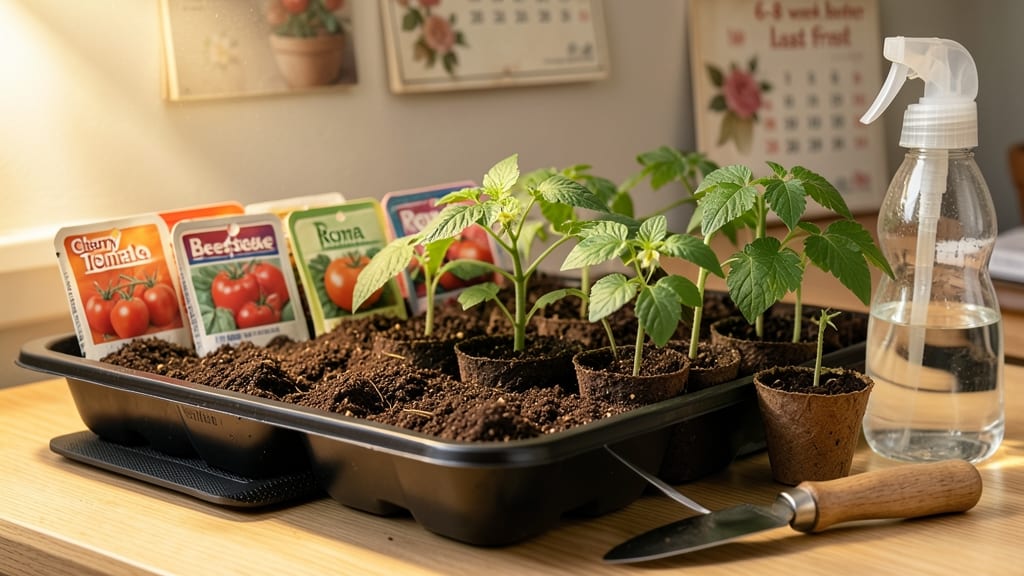
The best time to plant seeds indoors depends on soil temperature needs and your last frost date—getting it wrong can mean weak seedlings or wasted effort.
Struggling to get your indoor seed-starting right? The difference between thriving General Indoor Seedlings 🌱 and failed germination often comes down to timing—and soil temperature plays a bigger role than most gardeners realize.
In USDA Zone 6a, starting seeds in January or February gives them a head start, but some plants (like peppers) need warmer soil to germinate fast.
Others, like lettuce, can handle cooler starts. I’ll break down the exact windows for common plants and how to tweak your setup for faster results.
You’ll learn how to use heat mats, adjust light exposure, and avoid common mistakes that stall germination—so you can skip the guesswork and grow a stronger batch of seedlings every time.

Optimal indoor seed starting times based on soil temperature requirements
Getting your indoor seed-starting schedule right can mean the difference between healthy seedlings and wasted effort. Most gardeners focus on light and water, but soil temperature is the hidden factor that controls germination speed and success.
Different plants thrive at different temperature ranges, and matching these to your indoor setup ensures you're planting at the perfect time for your climate zone.
Cool-season crops like lettuce and peas germinate best in 50-65°F soil, while warm-season plants such as tomatoes and peppers need 70-85°F to break dormancy. Without the right heat, seeds may rot or take weeks to sprout.
The key is understanding your plants' temperature needs and aligning them with your indoor growing conditions.
Here’s how to determine the best indoor planting window for your seeds by matching their ideal soil temperatures to your setup:
If your indoor space stays consistently cool (below 60°F), prioritize cool-season crops like lettuce or kale, which germinate faster in chilly conditions. For warm-season plants, invest in a heat mat or place trays near a sunny window to boost soil temperature.
Even a 5°F difference can cut germination time in half!
Timing isn’t just about the calendar—it’s about soil warmth. Use a seedling heat mat ($10-$20) to mimic outdoor spring conditions indoors, especially for tomatoes and peppers. Without extra heat, these seeds may sit dormant for weeks, wasting your time and resources.
Pro tip: Place your seed trays on a towel-lined shelf near a south-facing window to naturally warm the soil.
For gardeners in warmer climates (Zones 8-10), you can start warm-season crops as early as February, but most Zone 6a gardeners should wait until late March to avoid leggy, weak seedlings. Always check your last frost date and count backward—most seedlings need 4-8 weeks indoors before transplanting.
Don’t overlook humidity either. A clear plastic dome or humidity tray can help maintain moisture and warmth, especially for delicate seeds like basil or snapdragons. High humidity + consistent soil temp = faster, more reliable germination. Remove the cover once sprouts appear to prevent mold.
Adjust your schedule if you’re aiming for early harvests. For example, basil seeds germinate in 7-14 days at 70°F but may take 3+ weeks in cooler soil. By starting 2 weeks earlier with a heat mat, you’ll have lush herbs ready for Mother’s Day gifts or summer salads.
Remember: Soil temperature > air temperature. Even if your room is warm, cold soil will slow germination. Use a soil thermometer ($5) to monitor conditions—ideal ranges vary by plant. For example, carrots need 60-70°F, while radishes thrive at 55-65°F. Small adjustments make a big difference!
Start with 2-3 seed trays per plant type to test different conditions. Label each tray with the plant name and soil temp to track which setup yields the fastest, healthiest sprouts. Over time, you’ll refine your indoor schedule to match your unique growing space.
How to adjust your indoor growing setup for faster germination
Indoor seed germination often fails because we underestimate how much our homes differ from ideal outdoor conditions. Cooler indoor temps and low humidity can delay sprouting by weeks—sometimes even months.
The key is mimicking outdoor soil warmth while controlling other factors like light and moisture. Let’s fix that with simple, science-backed adjustments.
Start by checking your seed packet instructions for ideal soil temperatures. Most vegetables need 70-85°F, while cool-season crops like lettuce thrive at 60-70°F. Without intervention, your indoor setup likely sits at 65-70°F—too cool for many seeds to germinate efficiently.
That’s where heat mats and strategic lighting come in.
- 1 Use heat mats for warm-season crops (tomatoes, peppers). Set soil temp to 75-85°F with a seedling heat mat ($15-$25). Place under trays to raise bottom heat without overheating air.
- 2 Adjust humidity with a clear plastic dome or humidity tray. Aim for 70-90% humidity during germination. Mist seeds lightly daily if using open trays.
- 3 Upgrade lighting to 12-16 hours/day with LED grow lights. Place lights 2-3 inches above seeds. Use full-spectrum bulbs for even growth.
- 4 Pre-warm soil by soaking seed-starting mix in warm water (100°F) for 10 minutes before planting. Use a thermometer to monitor soil temp—consistency matters more than spikes.
- 5 Space seeds properly to avoid damping off. Thin seedlings to 1-2 inches apart once sprouted. Overcrowding traps moisture, inviting fungal growth.
Don’t overlook the power of light timing. While grow lights are essential, natural light supplements work too. Place trays near a south-facing window during the day, then switch to LED lights at night if your seeds need 14+ hours of light.
For example, basil and peppers demand long daylight hours, while lettuce tolerates shorter periods.
Monitor your setup daily with a small thermometer and hygrometer ($10-$15). Aim for stable conditions: 75-85°F soil for warm crops, 60-70°F for cool crops, and 70-90% humidity until sprouts emerge. Once seedlings appear, reduce humidity to 50-60% to prevent mold. Consistency is your best friend—fluctuations slow germination.
Pro tip: Group seeds by temperature needs. Place peppers and tomatoes on heat mats while keeping carrots and spinach in cooler areas. This maximizes space and efficiency. With these adjustments, you’ll see faster, more uniform germination—often cutting wait times by 30-50%. Happy growing! 🌱