
Planting
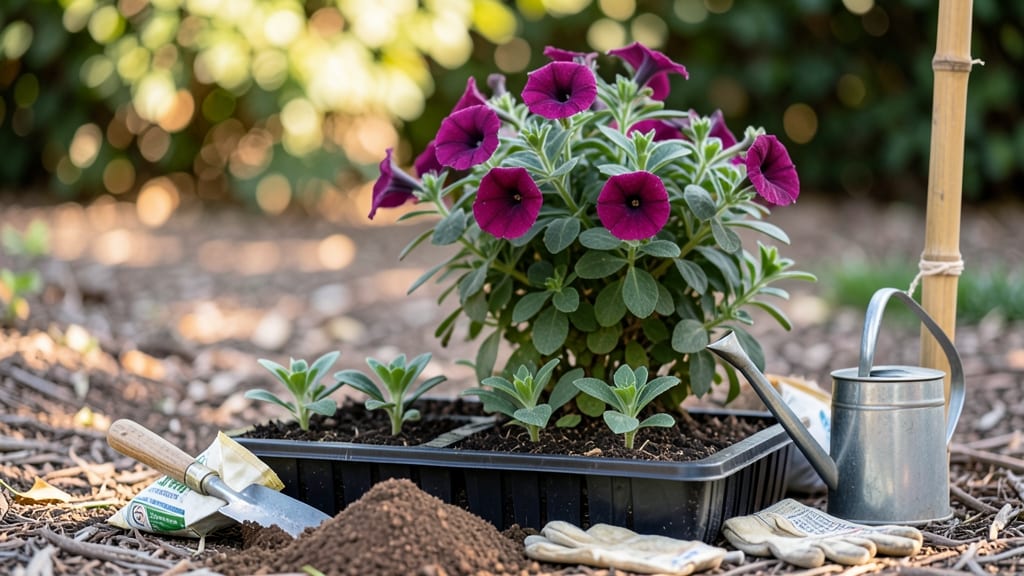
Planting Mexican petunias unlocks cascading blooms that turn containers into living art. 🌸 These velvety flowers thrive in pots, spilling over edges with vibrant purple, pink, or white blooms that last all summer. My first batch transformed a boring patio corner into a showstopper—no fancy garden required.
Start with well-draining potting mix and containers with drainage holes (at least 12 inches wide for trailing varieties). Plant seeds 1/8 inch deep, spacing them 1 inch apart in rows.
Keep soil consistently moist but not soggy, and place containers in full sun to partial shade—they’ll reward you with blooms within 6-8 weeks of planting. Once established, these petunias are drought-tolerant but still love weekly watering.
Pinch back leggy stems to encourage bushier growth, and deadhead spent blooms to keep flowers coming. The secret to their success? Consistent care—they’re tough but appreciate a little attention. Perfect for hanging baskets, window boxes, or balcony planters.
With their heat tolerance and vibrant colors, they’re the ultimate low-maintenance star for sunny spots. Let’s get those blooms growing!
📚 In This Guide
- What you need
- Instructions
- Tips and common mistakes
- Wrapping up and next steps
What you need
- ● Mexican petunia plants: 3–5 healthy nursery-grown plants (check for sturdy stems and vibrant buds).
- ● Well-draining potting mix: 10–15 gallons (for containers) or garden soil amended with compost (for in-ground planting).
- ● Containers or garden space: Containers: 12–18 inches deep with drainage holes (hanging baskets, window boxes, or large pots).
- ● Garden beds: Full sun exposure (6+ hours/day) and loose, fertile soil.
- ● Slow-release fertilizer: Balanced (10-10-10) or tomato/vegetable fertilizer (1 tbsp per plant).
- ○ Gloves (optional but recommended for soil handling).
- ● Trowel or small shovel (for digging holes or transplanting).
- ● Watering can or hose with gentle spray (avoid overwatering).
- ○ Mulch (optional): Pine bark or straw (1–2 inches) to retain moisture.
- ○ Support stakes or trellis (optional): For trailing varieties in containers.
- ● Climate: Plant after the last frost (zones 9–11 year-round; cooler zones as annuals).
- ● Sunlight: Full sun (6+ hours/day) for optimal blooms.
- ● Watering routine: Keep soil consistently moist (not soggy) until established.
Step-by-Step instructions for planting Mexican petunias in containers
Here's how to create a vibrant, trailing cascade of blooms—this method works for any container size.
🪴 Step 1: Select and Prepare the Right Container
Choose a container with drainage holes at least 12 inches deep for each plant, since Mexican petunias thrive when roots can stretch comfortably. I prefer terracotta pots because they breathe better than plastic, preventing root rot in their native tropical climate. If using a larger planter for multiple plants, ensure it’s 18 inches wide to accommodate their trailing habit.
Clean the container thoroughly with a 10% bleach solution to kill any lingering pathogens. Rinse well and let it dry completely before planting. Place a layer of 1-2 inches of gravel or broken pottery at the bottom to improve drainage—this prevents waterlogging, which Mexican petunias despise. Here's the thing: they’ll wilt dramatically if their roots sit in soggy soil, so drainage isn’t optional.
🌱 Step 2: Use the Correct Soil Mix and Planting Depth
Fill the container with a lightweight, well-draining potting mix designed for flowering plants. Mexican petunias need soil that drains quickly but retains enough moisture to prevent wilting. I like to blend in 20% perlite or vermiculite to improve aeration—this mimics their natural, well-drained soil conditions in Central America.
Dig a hole twice as wide as the root ball and just as deep. Gently remove the plant from its nursery pot and loosen the roots if they’re circling. Place it in the hole so the top of the root ball sits ½ inch below the container rim. This ensures stability and prevents water from spilling over the edges when you water. Press the soil lightly around the roots to eliminate air pockets, but don’t compact it too firmly.
☀️ Step 3: Water and Position for Optimal Growth
Water the plant immediately after planting until water runs freely from the drainage holes. Mexican petunias love moisture but hate soggy roots, so let the top 1 inch of soil dry out between waterings. You’ll know it’s time to water when the trailing stems start to look slightly limp—this is their natural signal for hydration. Real talk: Overwatering is the fastest way to kill these beauties, so resist the urge to keep the soil constantly wet.
Place your container in a spot with full sun (6-8 hours daily). Mexican petunias bloom most prolifically when they receive bright, direct light, though they’ll tolerate partial shade in hotter climates. If you notice the leaves turning pale or the blooms sparse, move the plant to a sunnier location. Watch for the first flush of flowers—this usually happens within 4-6 weeks after planting, signaling your efforts are paying off.
✂️ Step 4: Prune and Fertilize for Continuous Blooms
Pinch back the tips of new growth when the plant is about 6 inches tall to encourage bushier, fuller growth. This isn’t just about aesthetics—it also prompts more flowering stems to develop. I like to use a clean, sharp pair of scissors to make the cut just above a set of leaves. Deadhead spent blooms regularly to redirect the plant’s energy into producing new flowers instead of seed pods.
Feed your Mexican petunias with a balanced, water-soluble fertilizer every 2-3 weeks during the growing season. I use a 20-20-20 formula diluted to half-strength to avoid burning the roots. Stop fertilizing in late summer to allow the plant to prepare for dormancy if you’re in a cooler climate. Here’s where it gets fun: With consistent care, your petunias will trail beautifully, creating a stunning cascade of color that lasts all season long.
Tips & tricks for planting Mexican petunias
A few strategic moves will transform your Mexican petunias from mere survivors to showstopping cascades of color. These insights come from years of watching these plants thrive—and recover from my own early mistakes.
Container Material Matters: While terracotta is ideal for its breathability, fiberglass or resin containers work well if you're in a humid climate where terracotta might dry out too quickly. The key is ensuring your chosen material allows for the 1-2 inches of drainage material specified in Step 1—this isn't optional. I've seen petunias wilt dramatically when planted in containers without proper drainage, even when watered correctly. For larger planters, consider adding a second drainage layer if your container lacks holes.
Soil Science for Blooms: The 20% perlite or vermiculite amendment in Step 2 isn't just about drainage—it's about creating the perfect air-to-moisture ratio that Mexican petunias crave. For an extra boost, mix in 10% compost (optional) to provide slow-release nutrients. This mimics their native volcanic soil conditions in Central America. The secret here is to avoid garden soil—it compacts too easily and holds too much moisture, leading to root rot.
Lighting Reality Check: The 6-8 hours of full sun mentioned in Step 3 is non-negotiable for maximum blooms, but here's the catch: morning sun with afternoon shade works better in extremely hot climates. Watch for leaves that look like they've been bleached—this is your plant's distress signal for too much direct afternoon sun. If you're in a high-rise apartment, south-facing windows are your best bet for that critical sunlight exposure.
Pruning Precision: When pinching back growth at 6 inches tall in Step 4, aim for the top set of leaves where new growth emerges. This encourages branching that leads to more flowers. I've found that using sterilized scissors (dipped in rubbing alcohol) prevents introducing pathogens to your plant. And here's a pro move: save those pinchings! They'll root in water and give you free plants for next season.
Pro Tips for Plant Mexican Petunias
- A few strategic moves will transform your Mexican petunias from mere survivors to showstopping cascades of color.
- Container Material Matters: While terracotta is ideal for its breathability, fiberglass or resin containers work well if you're in a humid climate where terracotta might dry out too quickly.
- Soil Science for Blooms: The 20% perlite or vermiculite amendment in Step 2 isn't just about drainage—it's about creating the perfect air-to-moisture ratio that Mexican petunias crave.
Frequently asked questions
Got questions about growing Mexican petunias? You’re not alone—these vibrant beauties are full of surprises! Here are answers to the most common queries to help you grow with confidence.
When is the best time to plant Mexican petunias?
Plant them after the last frost in spring (typically May-June in most U.S. zones) or as annuals in summer for instant color. In warmer climates (zones 9-11), you can plant year-round! They thrive in full sun (6+ hours daily), so avoid early spring plantings if frost is still a risk.
How often should I water Mexican petunias?
Keep soil consistently moist but not soggy—water when the top inch feels dry. Containers dry out faster, so check daily in hot weather. Drip irrigation or soaker hoses work best to avoid wetting leaves (which can cause disease). Morning watering prevents evening fungal risks.
Are Mexican petunias deer- or pest-resistant?
While they’re not deer-proof, their bitter taste often deters browsing. For pests, watch for aphids or spider mites—spray with neem oil or insecticidal soap if needed. Good airflow (prune crowded plants) reduces fungal issues like powdery mildew. No major pests love them!
Can I grow Mexican petunias in hanging baskets or window boxes?
Absolutely!
Their trailing habit makes them perfect for containers—just use a well-draining mix (add perlite/pine bark) and fertilize weekly with a balanced liquid feed. Hang baskets where they get 6+ hours of sun and rotate occasionally for even growth. Pro tip: Mix with lobelia or bacopa for a cascading effect!
Do Mexican petunias survive winter?
In zones 9-11, they’re perennial and may return if protected from frost. Outside these zones, treat them as annuals—they won’t survive freezing temps. If you love them, save seeds or take cuttings before frost! Mulch lightly in mild winters to extend their life.
How do I revive a leggy or sparse Mexican petunia?
Leggy growth? Prune back by ⅓ to encourage bushier blooms. Too little light causes sparse flowers—move to sunnier spot. Fertilize with a low-nitrogen, high-phosphorus formula (like 5-10-5) to boost blooms. Deadhead spent flowers to stimulate more blooms—they’re heavy producers!
Wrapping up and next steps
Planting Mexican petunias is a rewarding way to add vibrant, trailing color to your garden or containers! With the right soil, sunlight, and care, these bold bloomers thrive effortlessly—whether you’re a seasoned gardener or just starting out. 🌸
Now that you’re equipped with the know-how, grab your gloves and get growing! Start small with a single container or go big with a full garden bed. Pro tip: Snap a photo of your progress to track their stunning growth over time.
Happy planting—your future floral displays will thank you! 🌿✨