
Planting
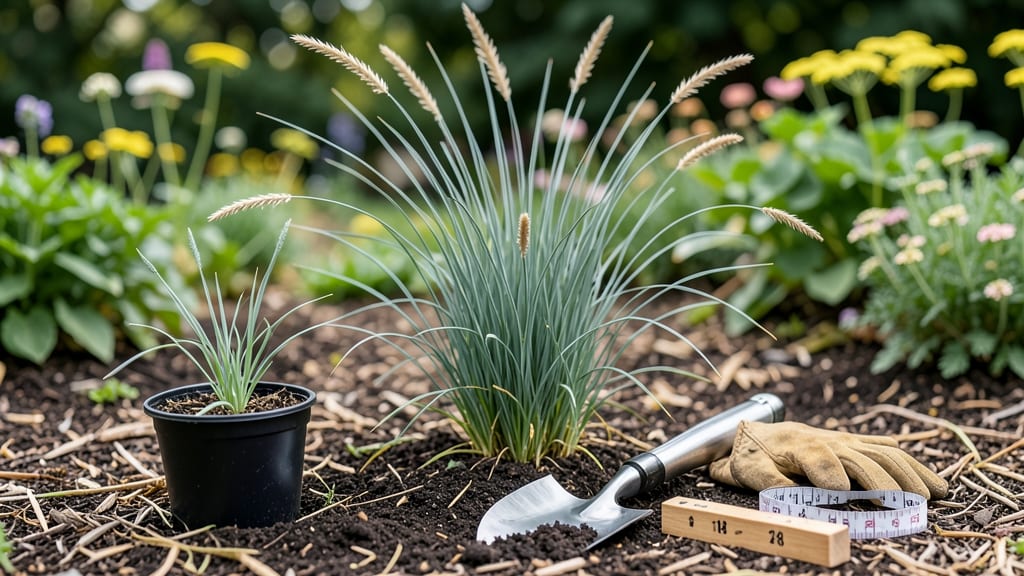
To plant Karl Foerster grass successfully, focus on well-drained soil, full sun, and the right spacing—this ornamental grass thrives when given the ideal conditions from day one.
Picture this: you’ve waited all winter for spring planting, and now your Karl Foerster grass 🌿 sits in a pot, ready to transform your garden into a textured, drought-resistant masterpiece.
But if you rush the process—planting too deep, skipping soil prep, or ignoring the 18-inch spacing—you’ll end up with leggy, sparse clumps instead of the bold, upright foliage you crave.
This guide breaks down the exact steps for soil prep, planting depth, and seasonal timing, so you can avoid the most common mistakes. Whether you’re filling a border, lining a pathway, or adding height to a mixed bed, Karl Foerster grass delivers year-round structure with almost no fuss.
By the end, you’ll know when to plant (spring or fall), how to space it for maximum impact, and the one watering trick that keeps it thriving through summer heat. Let’s get started.

Optimal soil, spacing, and planting depth for Karl Foerster grass
Karl Foerster grass thrives when planted in the right conditions, and getting the soil, spacing, and depth right is key. This ornamental grass demands well-draining soil to prevent root rot, while proper spacing ensures airflow and prevents disease. Let’s break down the essentials for a lush, long-lasting installation.
The ideal soil pH for Karl Foerster grass ranges between 6.0 and 7.5, slightly acidic to neutral. Test your soil before planting—amend with sand or compost if it’s heavy clay or poorly draining. This grass tolerates drought once established, but young plants need consistent moisture to root deeply.
Spacing is critical for Karl Foerster grass. Plant 12–18 inches apart in rows spaced 18–24 inches apart to allow for full growth without overcrowding. Overpacking leads to weak stems and increased fungal risks. For borders or containers, reduce spacing to 10–12 inches to create a dense look.
When it comes to planting depth, the crown (where roots meet foliage) should sit 1 inch below soil level. Burying it too deep suffocates the plant, while planting too shallow exposes roots to drying. Loosen the soil around the roots gently to encourage spread and prevent compaction.
Here’s a quick reference for your planting prep:
Avoid waterlogged soil, which is the #1 killer of Karl Foerster grass. If your garden has heavy clay, mix in coarse sand or grit to improve drainage. Raised beds are perfect for this grass, as they offer better control over soil conditions and prevent soggy roots.
For container planting, use a mix of 50% potting soil, 30% perlite, and 20% compost. Ensure containers have drainage holes—stagnant water leads to root rot. Place containers in full sun and water when the top 1–2 inches of soil dry out.
After planting, mulch with 2–3 inches of organic mulch (like pine straw or shredded bark) to retain moisture and suppress weeds. Keep mulch away from the crown to prevent rot. This step is especially important in the first 6–8 weeks while roots establish.
Troubleshooting is easier when you plant correctly. If your Karl Foerster grass looks sparse or leggy, it’s likely overcrowded or not getting enough light. Thin out clumps or move to a sunnier spot. Yellowing leaves often signal overwatering or poor drainage—amend soil immediately.
With the right soil prep, spacing, and planting depth, your Karl Foerster grass will reward you with vibrant foliage and minimal upkeep. Follow these guidelines, and you’ll enjoy its striking blue-green blades for years to come. 🌿
Step-by-step planting guide: when and how to install Karl Foerster grass
Timing is everything when planting Karl Foerster grass. I’ve found that early spring (March-April) or early fall (September-October) gives plants the best chance to establish roots before extreme heat or cold. Avoid planting in summer—high temperatures stress young roots, while winter planting risks frost damage before roots take hold.
This ornamental grass thrives in full sun (6+ hours daily), so choose a location with minimal shade competition. If you’re planting in containers, ensure pots have drainage holes to prevent soggy soil, which can lead to root rot.
For in-ground planting, amend heavy clay soil with compost or sand to improve drainage.
How to Plant Karl Foerster Grass: 5 Simple Steps
-
Step 1: Prepare the Planting Site
Dig a hole twice as wide as the root ball but only as deep as the container. Loosen the soil at the bottom to encourage root spread. For containers, select pots 12–18 inches wide with drainage holes. -
Step 2: Remove the Grass from Its Container
Gently squeeze the sides of the container to loosen the root ball. If roots are circling, use your fingers to tease them apart. This prevents girdling as the plant matures. -
Step 3: Position the Grass Correctly
Place the plant in the hole so the crown sits 1 inch below soil line. This protects it from drying out while allowing roots to spread. For containers, add a 1-inch layer of gravel at the bottom before adding soil. -
Step 4: Backfill and Water Thoroughly
Fill the hole with soil, pressing lightly to remove air pockets. Water until the soil is evenly moist but not waterlogged. For containers, water until it drains from the bottom holes. -
Step 5: Mulch and Monitor
Apply 2–3 inches of mulch (like wood chips) around the base, keeping it 2 inches away from the crown. This retains moisture and suppresses weeds. Water deeply once a week for the first month.
After planting, Karl Foerster grass needs consistent moisture to establish roots. Water deeply 2–3 times per week for the first month, then taper to once weekly once established. Avoid overhead watering to prevent fungal diseases. In containers, check soil moisture daily—pots dry out faster than in-ground plantings.
One of my biggest mistakes? Skipping the mulch step. Without it, soil moisture evaporates quickly, and weeds compete for nutrients. Now, I always mulch within 48 hours of planting. This simple step makes a huge difference in survival rates, especially in hot climates.
For best results, fertilize lightly in spring with a balanced 10-10-10 fertilizer. Avoid heavy feeding—the grass prefers lean soil. If you notice yellowing leaves, it’s often a sign of overwatering or poor drainage, not nutrient deficiency.