
Planting
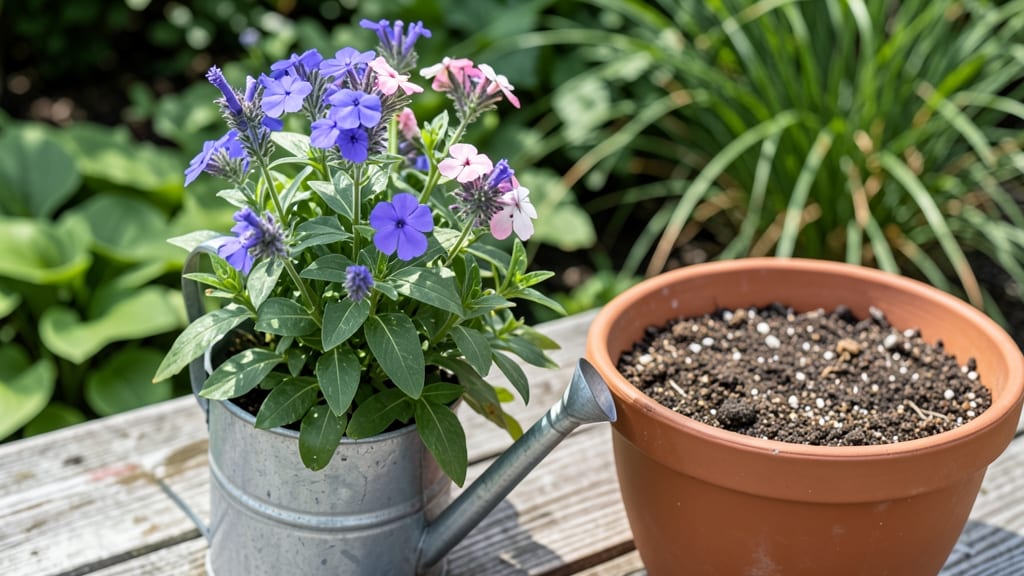
Caring for angelonia plants unlocks six months of nonstop blooms with almost no deadheading—here’s how. 🌸 I’ve grown these sun-loving perennials for years, and the secret is simple: well-draining soil, consistent water, and strategic pruning to keep them flowering until frost.
The plants thrive in full sun (6+ hours daily) and moderate moisture—never soggy soil. They’re drought-tolerant once established, but wilting leaves mean it’s time to water. A balanced fertilizer every 4-6 weeks keeps blooms vibrant, and pinching back leggy stems in early spring encourages bushier growth.
By late summer, you’ll notice fewer blooms—that’s normal! Prune back by ⅓ to trigger a second flush of flowers. In colder zones, treat them as annuals or overwinter indoors near a bright window. This care routine turns angelonia into the low-maintenance superstar of summer gardens. Ready to grow yours?
📚 In This Guide
- What you need
- Instructions
- Tips and common mistakes
- Wrapping up and next steps
What you need
- ● Angelonia plant – Choose healthy nursery-grown plants (6-12 inches tall) or start from seeds (if sowing early).
- ● Well-draining potting mix – A blend of peat moss, perlite, and compost (or a commercial mix labeled for annuals/perennials).
- ● Containers or garden bed – 5-7 inch pots (for containers) with drainage holes, or full sun exposure in garden beds.
- ● Balanced liquid fertilizer – 10-10-10 or 20-20-20 NPK ratio (diluted to half-strength).
- ● Pruning shears or clean scissors – For deadheading and shaping.
- ● Watering can or hose with a gentle spray nozzle – To avoid overwatering.
- ● Mulch – Organic mulch (like shredded bark) to retain moisture and suppress weeds.
- ● Slow-release fertilizer granules – For longer-lasting nutrients (apply at planting).
- ● Garden gloves – To protect your hands during pruning.
- ● Plant support (stakes or cages) – If your variety grows tall or leggy (e.g., ‘Angelonia Blue Butterfly’).
- ● pH test kit – To ensure soil pH is 6.0–7.0 (slightly acidic to neutral).
Step-by-step instructions for caring for angelonia plants
Here's how to coax those vibrant angelonia blooms all season with just a few simple routines.
💧 Step 1: Master the Watering Routine for Consistent Blooms
Angelonia thrives when soil stays evenly moist but never soggy. Water when the top 2 inches of soil feel dry to the touch—this typically means every 2-3 days in summer heat or once a week in cooler months. I use my finger to check moisture at the base of the plant, where roots actively absorb water. Overwatering causes yellow leaves and root rot, while underwatering leads to crispy edges and stunted growth.
Water deeply at the soil line rather than overhead—this prevents fungal issues on the foliage. You'll know you've got it right when water runs out the drainage holes within 10-15 minutes of watering. Mulch with 1-2 inches of organic mulch (like shredded bark) to help retain moisture and regulate soil temperature. This simple step cuts watering frequency by nearly half during hot spells.
☀️ Step 2: Position for Maximum Sun Exposure
Angelonia demands full sun—at least 6-8 hours of direct sunlight daily—to produce its signature flower spikes. Place your plants where they'll receive morning sun and afternoon light, avoiding harsh midday glare if your climate gets extremely hot. I've found that a south or west-facing exposure delivers the best results in most regions.
If you notice stems stretching excessively or leaves developing a pale, washed-out look, your plant needs more light. Rotate the pot quarter-turn weekly to encourage even growth. In containers, move plants outdoors after the last frost but gradually introduce them to full sun over 7-10 days to prevent sunburn on tender new leaves.
✂️ Step 3: Prune Strategically for Continuous Blooming
Here's the secret to angelonia's year-round blooms: minimal deadheading. After flowers fade, snip the spent blooms back to the first set of healthy leaves below the flower stem. This encourages the plant to produce new side shoots rather than putting energy into seed development. I use clean, sharp pruners and make cuts at a 45-degree angle just above a leaf node to prevent water from pooling.
For a bushier plant, pinch back the growing tips when stems reach 6-8 inches tall. This stimulates lateral branching and creates a fuller, more compact habit. Avoid heavy pruning—never cut more than one-third of the plant's height at once. You'll see new flower buds forming within 2-3 weeks of proper pruning, signaling the plant is responding well.
🪴 Step 4: Fertilize for Vibrant, Long-Lasting Flowers
Feed angelonia with a balanced, water-soluble fertilizer (10-10-10 or 20-20-20) every 2-3 weeks during the active growing season. Dilute the fertilizer to half-strength to avoid burning tender roots. I apply fertilizer in the morning when plants are actively photosynthesizing, which helps them absorb nutrients efficiently.
Switch to a low-nitrogen, high-phosphorus fertilizer (like 5-10-5) when you notice buds forming—this promotes stronger, longer-lasting blooms. Withhold fertilizer completely in late fall and winter when growth slows. Over-fertilizing causes weak stems and excessive foliage at the expense of flowers, so always follow package instructions precisely.
⏰ Step 5: Overwinter for Next Season's Blooms
As temperatures drop below 40°F, bring potted angelonia indoors to a bright location with 50-60°F temperatures. Reduce watering to once every 10-14 days and stop fertilizing entirely. Prune back any leggy growth by one-third to encourage fresh, vigorous new growth in spring.
If you're growing angelonia in the ground, cut back stems to 4-6 inches tall and mulch heavily with 3-4 inches of organic mulch. This protects roots from freezing temperatures and insulates the plant through winter. With proper overwintering care, your angelonia will reward you with fresh growth and blooms as soon as spring arrives.
Tips & tricks for perfect angelonia care
Here's what nobody tells you about keeping angelonia thriving—these little-known tricks make all the difference between seasonal blooms and year-round color.
Soil Moisture Science: The 2-inch soil test is your best friend, but here's the secret: check moisture in the morning when soil is coolest. If you're using containers, weigh them—when they feel significantly lighter, it's time to water. This method eliminates guesswork and prevents both over- and under-watering. I've found that angelonia in containers can dry out faster than in-ground plants, so adjust your every-2-3-days schedule accordingly.
Sunlight Strategy: When positioning your angelonia, remember that east-facing windows provide gentle morning sun without the intensity of midday rays. If you notice leaves turning yellow or developing brown patches, it's a sign of too much direct sun—provide afternoon shade during peak summer months. For container growers, rotate pots weekly to ensure even exposure all around the plant, which prevents lopsided growth and maximizes bloom production.
Pruning Precision: That 45-degree angle when pruning isn't just for aesthetics—it creates a larger surface area for water to evaporate, reducing the risk of fungal infections at the cut site. For a bushier plant, pinch those growing tips when they reach 6-8 inches, but be patient: new growth will take about 2-3 weeks to appear. I've learned the hard way that rushing pruning can stress the plant, so always wait until you see at least two sets of leaves on new stems before doing any additional trimming.
Fertilizer Timing: The switch to low-nitrogen, high-phosphorus fertilizer when buds form is crucial, but here's the timing tip: make the change when you first notice buds forming at the stem base, not when flowers are already open. This ensures the plant gets the phosphorus boost it needs during the critical flowering stage. And remember, always fertilize in the morning—this gives the plant's roots time to absorb nutrients before the heat of the day.
Pro Tips for Care For Angelonia Plant
- Here's what nobody tells you about keeping angelonia thriving—these little-known tricks make all the difference between seasonal blooms and year-round color.
- Soil Moisture Science: The 2-inch soil test is your best friend, but here's the secret: check moisture in the morning when soil is coolest.
- Sunlight Strategy: When positioning your angelonia, remember that east-facing windows provide gentle morning sun without the intensity of midday rays.
Frequently asked questions
Got questions about keeping your Angelonia thriving? Here are some of the most common concerns—plus quick fixes to keep those vibrant blooms coming!
How often should I water my Angelonia plant?
Water your Angelonia when the top inch of soil feels dry—usually 2-3 times per week in hot climates or more frequently in containers. Avoid soggy soil to prevent root rot. Pro tip: Mulch around the base to retain moisture and reduce evaporation.
When is the best time to prune or deadhead Angelonia?
Deadhead faded blooms regularly during the growing season (spring to fall) to encourage more flowers. For pruning, trim back leggy stems by 1/3 in early spring to promote bushier growth. Warning: Avoid heavy pruning in late summer, as it may delay fall blooms.
Can Angelonia survive winter outdoors?
Most Angelonia varieties are annuals or tender perennials—they’ll die back in frost. In cold zones (<30°F), grow them as potted plants and move indoors before winter or treat them as annuals. Pro tip: Overwinter indoors with bright light and reduce watering.
What pests commonly attack Angelonia, and how do I treat them?
Watch for aphids, spider mites, or whiteflies. Spray infested plants with neem oil or insecticidal soap for mild cases. For severe outbreaks, use horticultural oil. Prevention tip: Inspect leaves regularly and remove debris to deter pests.
Are there low-maintenance alternatives to Angelonia?
If Angelonia seems high-maintenance, try Salvia, Verbena, or Celosia—they’re drought-tolerant and bloom prolifically with minimal deadheading. Bonus: Many of these thrive in the same sunny, well-drained spots as Angelonia!
Wrapping up and next steps
Caring for your angelonia plant is a rewarding journey that brings vibrant blooms to your garden with minimal effort! With the right balance of sunlight, water, and deadheading, you’ll enjoy stunning flowers all year long.
Remember, consistency is key—whether you’re trimming, fertilizing, or troubleshooting pests, a little attention goes a long way.
Now that you’re armed with these tips, why not share your newfound knowledge? 🌸 Tag a fellow plant lover or snap a pic of your thriving angelonia and inspire others to try it too! Happy gardening! 🌱