
Planting
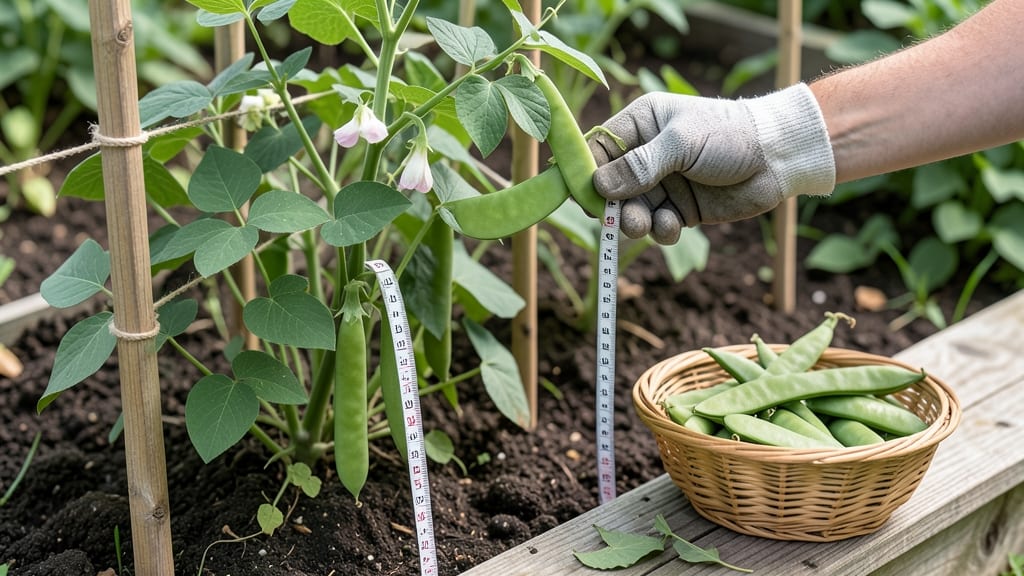
A single snap pea plant typically yields how many snap peas per plant you’d expect to be between 10 and 20 pods—but that number can double (or even triple) when you choose the right variety and growing method.
Wondering why your snap pea plants aren’t producing as many pods as you expected? The answer lies in understanding how many snap peas per plant to expect—and how trellis vs. bush varieties change the game entirely.
Trellis varieties, like Sugar Ann or Oregon Sugar Pod, climb up to 6 feet and produce more pods per plant, while bush types like Tom Thumb stay compact but may yield slightly fewer. Proper spacing, trellising, and consistent care make all the difference.
In this guide, I’ll break down the exact yield expectations for each type, share spacing secrets to maximize production, and reveal the one pruning trick that keeps plants producing longer.

Snap pea yield by variety: trellis vs. bush plant productivity breakdown
When planning your snap pea garden, one of the first questions I ask myself is: how many snap peas per plant can I realistically expect? The answer depends entirely on whether you're growing trellis (vining) varieties or bush (compact) types.
These two growth habits produce dramatically different yields, and understanding their differences will help you maximize your harvest—whether you're working with 20 square feet or a full raised bed.
The key difference lies in how each variety uses space. Trellis varieties like 'Sugar Snap' or 'Oregon Sugar Pod' climb vertically, producing 50-100 pods per plant over their growing season.
Meanwhile, bush varieties such as 'Tom Thumb' or 'Dwarf Grey Sugar' stay compact, yielding 10-30 pods per plant but requiring more plants to match the total harvest. This trade-off affects everything from spacing requirements to your garden layout strategy.
Here's the game-changer: trellis varieties don't just produce more pods—they also harvest continuously as new pods mature up the vine. Bush varieties, however, tend to produce all their pods within a 2-3 week window, meaning you'll need to harvest them all at once or risk losing quality.
This difference changes how I approach succession planting and storage planning.
Let me break down why these numbers matter in real-world gardening. If you're growing trellis varieties like 'Sugar Sprint', you'll need about 4 plants per person for a full season's supply, but they'll produce 3-4 times more pods than bush varieties.
For example, 'Tom Thumb' might give you just 15 pods per plant, but you'd need 12 plants to match the yield of 3 'Sugar Sprint' plants. This is why I always recommend trellis varieties for space-saving gardens or container growing.
Another critical factor is pod development timing. Trellis varieties produce pods along the entire vine, so you'll harvest 5-10 pods per plant per week during peak season.
Bush varieties, however, produce all their pods at once, which means you'll need to harvest every 2-3 days during their short peak window or risk losing half your crop to over-maturation. This is why I plant bush varieties in succession—every 2 weeks—for a staggered harvest.
Don't overlook how growing conditions affect these numbers. In my Zone 6a garden, trellis varieties like 'Oregon Sugar Pod' consistently produce 70-90 pods per plant when given full sun and consistent moisture.
But if I skip the trellis or let vines sprawl, yields drop by 40% because energy goes into leaf growth instead of pod production. Bush varieties are more forgiving but still need well-draining soil—otherwise, root rot cuts yields by 30%.
Here's a pro tip: For maximum yield, I always prune side shoots on trellis varieties to encourage main stem growth. This simple step can boost pod count by 20-25% because the plant focuses energy on fewer, stronger vines.
With bush varieties, I remove lower leaves to improve airflow and reduce disease risk, which preserves pod quality and quantity.
One common mistake I see is assuming all snap peas are created equal. Sugar snap peas (like 'Super Sugar') produce fewer pods but larger individual pods, while snow peas (like 'Oregon Sugar Pod') yield
Maximizing snap pea production: spacing, pruning, and harvest tips
If you're growing snap peas, one of the first questions that comes up is how many snap peas per plant you can realistically expect. The answer depends on whether you're growing trellis (vining) varieties or bush (compact) types, as well as how well you optimize their growing conditions.
Even the most productive plants won't reach their full potential without proper spacing and care.
For most gardeners, understanding these factors can mean the difference between a handful of pods and a bountiful harvest. Whether you're working with Sugar Snap varieties that climb or Dwarf Grey Sugar types that stay low, the right approach to spacing, pruning, and harvesting will directly impact your yield.
Let’s break down the key strategies to maximize your snap pea production.
- Trellis varieties: 10-20 pods per plant when properly supported
- Bush varieties: 5-10 pods per plant due to compact growth habit
- Spacing trellis varieties 4-6 inches apart maximizes airflow and yield
- Harvesting every 2-3 days encourages continuous production
- Pruning yellowing leaves improves airflow and reduces disease risk
Proper plant spacing is critical for maximizing snap pea yield. Trellis varieties, like Sugar Ann or Oregon Sugar Pod II, thrive when given room to climb. Space them 4-6 inches apart in rows that are 18-24 inches apart.
This spacing ensures good airflow, which reduces the risk of fungal diseases like powdery mildew and allows each plant to focus energy on producing pods rather than competing for resources.
When it comes to pruning snap peas, less is often more. Focus on removing yellow or diseased leaves to improve airflow and keep the plant healthy. Avoid over-pruning, as snap peas are delicate and can stress easily.
If you notice excessive leaf drop or weak growth, it might be a sign of overcrowding or nutrient deficiency. In this case, thin out plants to give them more space to flourish.
Frequent harvesting is key to encouraging your snap pea plants to produce more pods. When you pick pods regularly—every 2-3 days—you signal to the plant that it should keep producing.
If you let pods mature and dry on the vine, the plant will shift its energy toward seed production instead of growing new pods. Always harvest in the morning when pods are crisp and fresh for the best flavor and texture.
For bush varieties, like Tom Thumb or Little Marvel, the approach is slightly different. These compact plants produce fewer pods per plant—typically 5-10 pods—but they’re ideal for small gardens or containers. Space them 2-3 inches apart in rows that are 12-18 inches apart.
Since they don’t require trellising, you can focus on keeping the soil moist and providing consistent care to coax out every possible pod.
Finally, don’t overlook the importance of soil health and nutrient balance. Snap peas prefer well-draining soil rich in organic matter. Before planting, amend your soil with compost to provide essential nutrients.
A light application of balanced fertilizer (5-10-10) every 4-6 weeks during the growing season can also give your plants the boost they need to produce more pods.