
Planting
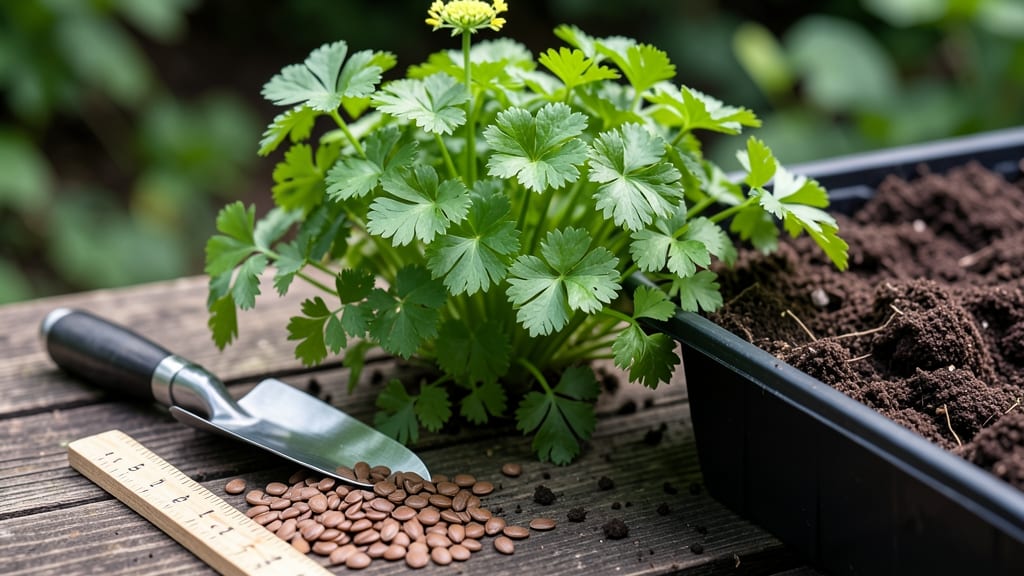
Planting parsley seeds at ¼ to ½ inch deep is the secret to fast, reliable sprouts that avoid the two biggest killers: drying out or suffocating underground.
If you’ve ever stared at a tray of parsley seeds wondering why they’re taking forever—or worse, never showing up—you’re not alone. The truth is, parsley seeds need just enough soil to block out light but not so much that they struggle to break through.
In USDA Zone 6a, where spring planting kicks off in March, getting this depth right means the difference between a flourishing herb garden by June and a wasted packet of seeds.
The good news? With the right technique, you can go from seed to harvest-ready parsley in as little as 75 days.
Below, I’ll walk you through the exact depth to plant, how to prep your soil for maximum germination, and the little tricks—like pre-soaking seeds—that cut your wait time in half. No more guesswork, just fast, happy parsley sprouts.

The ideal parsley seed planting depth for maximum germination rates
Getting your parsley seeds to sprout reliably starts with one critical factor: planting depth. Unlike hardy annuals, parsley seeds need just the right balance—too shallow and they dry out before germinating, too deep and they’ll suffocate waiting for light.
The science behind this is simple: parsley seeds require light exposure to trigger germination, but they also need moisture and protection from drying winds.
Most experienced gardeners swear by planting parsley seeds at a ¼-inch depth (about 6mm). This shallow placement allows sunlight to penetrate while keeping seeds hydrated.
However, soil type plays a huge role—sandy soils dry out faster, so you might need to plant slightly deeper (⅛-inch max), while clay-heavy soils can be planted up to ½-inch deep without risking drought stress.
| Soil Type | Recommended Depth | Germination Risk | Adjustment Tip |
|---|---|---|---|
| Sandy | ⅛-inch (3mm) | High drought risk | Mulch with straw after planting |
| Loamy | ¼-inch (6mm) | Ideal moisture balance | Keep soil consistently damp |
| Clay | ½-inch (12mm) | Low drought risk | Aerate soil before planting |
| Container Mix | ⅛-inch (3mm) | Dries faster than ground | Use moisture-retaining gel |
When planting, use a seed spacing tool or your finger to create furrows—parsley seeds are tiny, so precision matters. A common mistake is pressing seeds too firmly into the soil, which can compact the earth around them.
Instead, gently cover seeds with a light dusting of soil or seed-starting mix, then pat it down lightly with your hand. Think of it like tucking seeds into a cozy blanket rather than burying them.
Temperature also affects ideal depth. In cooler climates (USDA Zones 3-5), you can plant slightly deeper (⅛-inch) because the soil stays moister longer. But in warmer zones (6-10), stick to ¼-inch or less to prevent seeds from overheating.
Always plant after the last frost date in your area—parsley seeds germinate best when soil temperatures are between 60-75°F (15-24°C).
For container gardening, the rules change slightly. Since potting mixes dry out faster, plant parsley seeds just ⅛-inch deep and use a spray bottle to mist the soil daily until germination.
Elevate containers on saucers filled with water to maintain humidity without overwatering. Pro tip: Place your seed trays in a bright, indirect light spot (like a north-facing window) to encourage even sprouting.
One of my biggest parsley germination breakthroughs came from pre-soaking seeds overnight. This hydrates the seed coat, helping them break through the soil faster. After soaking, plant them at your chosen depth and cover with a clear plastic dome or plastic wrap to trap moisture.
Remove the cover once sprouts appear—usually within 7-14 days—to prevent mold growth.
If you're still struggling, try the "sandwich method": mix seeds with a little sand, then sprinkle the mixture over the soil surface. This creates a natural gradient where some seeds get light while others stay slightly buried.
It’s a great trick for slow-germinating herbs like parsley, which can take up to 21 days to sprout under less-than-ideal conditions.
Remember, parsley seeds are light-dependent germinators, meaning they need light to activate. If you notice seeds taking longer than expected, gently scrape away a thin layer of soil (just 1/16-inch) to expose them to light.
This can make the difference between success and disappointment, especially in low-light conditions.
Once your parsley seedlings emerge, thin them to 6-8 inches apart to give roots room to grow. The first true leaves will appear in about 2-3 weeks, and you can start harvesting in 60-90 days.
With the right depth and care, you’ll have a thriving parsley patch ready for soups, salads, and garnishes all season long! 🌿
Common mistakes that kill parsley seed germination (and how to fix them)
Even with the best parsley seeds, germination fails when you overlook subtle details like planting depth or soil conditions. I’ve seen gardeners scratch their heads after planting seeds only to watch them rot or fail to sprout. The truth? Tiny adjustments make all the difference.
Three common mistakes stand out: planting seeds too deep (or too shallow), compacting the soil around them, and inconsistent moisture levels. Each issue creates a barrier between your seeds and successful sprouts. Let’s break down how to fix them before they ruin your harvest.
⚠️ Parsley Seed Depth Warning
Planting parsley seeds too deep (beyond ¼ inch) suffocates them—roots can’t reach light. Too shallow (1/16 inch) causes them to dry out. The ideal depth is 1/8 to 1/4 inch, with light soil on top to prevent crusting.
🌱 Pro Tip: Use a seed starter or fine soil to mark depth—never eyeball it!
Start with loose, well-draining soil. Compacted soil traps moisture and blocks oxygen, turning your seed bed into a suffocating environment. Before planting, loosen the top 2 inches of soil with a fork or trowel. This creates air pockets and prevents crusting after watering.
Moisture is another silent killer. Parsley seeds need consistent dampness, not soggy conditions. Water gently after planting, then keep the soil evenly moist (not soggy). A spray bottle works best for precision. Mulch with straw or compost to retain moisture without overwatering.
If your seeds still refuse to sprout, check for seed viability. Old seeds (over 1 year) germinate poorly. Test a few in a damp paper towel—if they don’t sprout in 7–10 days, replace them. Fresh seeds from a reputable supplier solve 90% of germination problems.
Finally, light exposure matters post-planting. Parsley seeds need bright indirect light to germinate. If starting indoors, place them near a south-facing window or under grow lights. Outdoors, choose a spot with partial shade until sprouts appear.
With these fixes, your parsley seeds will sprout in 7–14 days instead of weeks—or never. The key? Pay attention to depth, soil, and moisture from day one. Happy planting! 🌱