
Planting
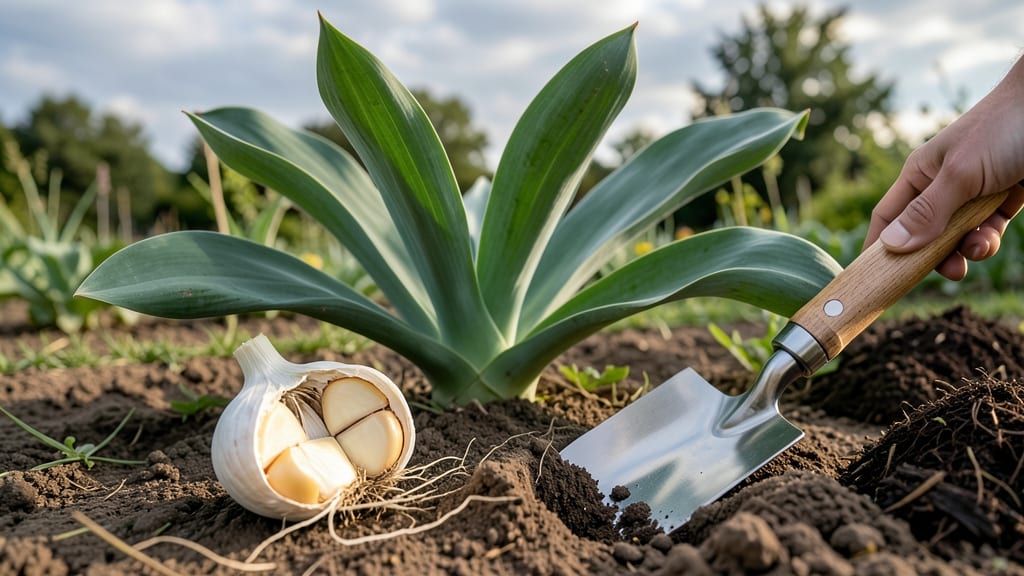
How deep to plant elephant garlic the right way means bigger bulbs and fewer headaches—aim for 1.5 to 2.5 inches, depending on your soil and clove size.
Planting elephant garlic wrong can mean wasted bulbs—or worse, a missed harvest. But getting the depth right transforms your garlic into a low-maintenance, high-reward crop that thrives with minimal fuss.
Most gardeners assume deeper is better, but the truth is that cloves planted too deep rot before they mature, while shallow planting leads to weak stems and stunted bulbs. The key lies in balancing soil drainage, clove size, and seasonal moisture.
Below, I’ll walk you through the exact depth guidelines, how to adjust for sandy vs. clay soil, and the 5 spacing mistakes that sabotage even the most careful planters—plus a trick to double your harvest with minimal extra effort.

Optimal planting depth for elephant garlic by clove size and soil type
Getting the planting depth right for elephant garlic is the secret to plump bulbs and minimal effort. Unlike its smaller cousin, elephant garlic needs science-backed spacing that accounts for clove size and soil texture.
Plant too shallow, and you risk stunted growth. Too deep, and you’ll delay harvests. The ideal range is 1.5 to 2.5 inches, but fine-tuning based on your garden’s conditions makes all the difference.
Your soil type plays a starring role here. Sandy soil drains quickly, so you’ll want to plant slightly deeper to retain moisture around the cloves. Conversely, clay soil holds water longer, so a shallower depth prevents rot.
Even loam soil—the gardener’s gold standard—benefits from adjustments based on how well it retains moisture. Let’s break down the exact depths for each scenario, so you can plant with confidence.
Clove size matters more than you might think. Larger cloves (think 3+ inches in diameter) need deeper planting—up to 2.5 inches—to support their growth. Smaller cloves (1.5 inches) thrive at 1.5 inches deep. This ensures roots have room to expand without competing for space. Skipping this step often leads to uneven bulb sizes at harvest time.
Here’s where the magic happens: adjusting depth based on your soil’s moisture retention. Use this comparison table as your planting guide, whether you’re a first-timer or a seasoned grower.
Pro tip: Use a wooden dowel or planting marker to create consistent holes. Measure the depth with a ruler to avoid guesswork. For clay soil, consider planting on raised beds or mounds to improve drainage. This small adjustment can prevent root rot and ensure healthy growth from the start.
If your soil is compacted, loosen it to 6 inches deep before planting. Compacted soil restricts root growth and can lead to stunted bulbs. Mix in
5 Common mistakes that ruin elephant garlic depth—and how to fix them
Even experienced gardeners sometimes struggle with elephant garlic planting depth. The right depth ensures strong root development and prevents wasted cloves. I’ve seen over-planting lead to stunted growth, while under-planting exposes cloves to frost damage. Let’s fix these mistakes before your next harvest.
First, uneven spacing is a silent killer. When cloves are planted too close, they compete for nutrients, resulting in small bulbs. Conversely, over-spreading wastes garden space and makes weeding harder. The key is consistency—measure your spacing before planting.
Another common issue is soil compaction around planted cloves. Heavy foot traffic or working wet soil can crush the roots before they even sprout. Always prepare your bed gently, using a broadfork to loosen soil without disturbing the cloves.
🚨 callout warning 🚨
⚠️ Critical Depth Warning
Elephant garlic cloves must be planted 2–3 times deeper than their height. A 2-inch clove needs 4–6 inches of soil cover. Planting too shallow (under 3 inches) risks frost heave, while over-deep planting (>6 inches) stunts root growth. Use a ruler to verify depth—no guessing!
I’ve also noticed gardeners planting at the wrong time of year, which affects depth needs. Fall-planted cloves need extra soil depth to insulate against winter frost. If you’re in a cold climate, add 2–3 inches of mulch after planting to protect the cloves.
Finally, skipping soil prep leads to poor drainage, which can rot cloves before they sprout. Amend your soil with compost or aged manure before planting. Test your soil’s drainage by digging a hole—if water pools after 30 minutes, you’ll need to improve drainage with sand or perlite.
Fix these mistakes now, and you’ll enjoy larger bulbs and fewer wasted cloves next season. Start with proper depth, then focus on spacing and soil health—your garlic will thank you with a bountiful harvest! 🧄