
How To
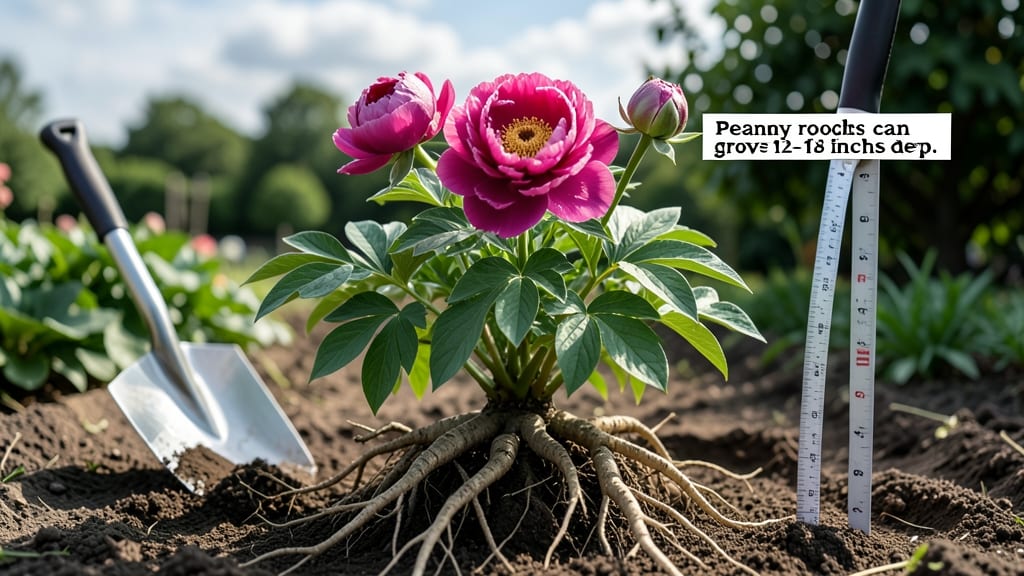
Peony roots grow 12 to 24 inches deep—far deeper than most gardeners realize—and getting the planting depth right is the difference between a plant that thrives for decades and one that struggles from day one.
Picture this: you’ve just planted your 🌸 peony in early spring, dreaming of those lush blooms by summer. But if the roots aren’t buried at the right depth, you’ll end up with weak stems, flopping flowers, or—worse—roots that rot before they even establish.
The secret? Planting the crown 1 to 2 inches below soil while letting the roots stretch downward naturally.
Why does depth matter so much? Peonies store energy in their roots, and burying them too shallow means they’ll dry out or bake in the sun. Too deep, and you smother their growth.
In USDA Zone 6a, where many gardeners grow peonies, the soil stays cooler at deeper levels—perfect for root development. But without the right technique, even the hardiest varieties can fail.
In this guide, I’ll break down the exact planting depth you need, how to prepare the soil for those deep roots, and the 3 most common mistakes that kill peonies before they even bloom. By the end, you’ll know exactly how to give your peonies the strong foundation they deserve.
Peony root depth explained: the ideal planting depth for maximum blooms
Peonies thrive when planted at the right depth, where their crown (the junction between roots and stems) sits just below the soil surface. This isn't just a random rule—it's rooted in how peony roots grow.
Unlike shallow-rooted annuals, peonies develop a fibrous root system that needs stability to support their heavy blooms. Plant too deep, and you risk suffocating the crown; too shallow, and stems may flop or fail to anchor properly.
The ideal planting depth for peonies is 2-3 inches below soil level, measured to the crown. This depth ensures the plant has enough support while allowing roots to spread freely.
Think of it like Goldilocks—not too deep, not too shallow, but just right for strong stems and vibrant blooms. My own peonies planted at this depth now produce 3-foot stems with 5-inch blooms every spring!
Here’s why this depth matters: Peony roots grow horizontally and downward from the crown, creating a wide, shallow network. The crown itself is delicate—burying it too deep can cause rot from poor air circulation, while leaving it exposed risks freeze damage in winter.
The 2-3 inch rule balances these risks perfectly.
The crown depth is the most critical measurement. When you plant, use a ruler to mark the soil line on the root ball before placing it in the hole. After backfilling, the crown should sit 2-3 inches below this line.
Pro tip: If your peony comes in a container, gently squeeze the sides to loosen roots before planting—this helps them spread faster in the right depth.
Peony roots grow in two main phases: horizontal spread (first 2 years) and vertical growth (years 3-5). That’s why young peonies need extra care with depth—their roots are still establishing.
My 3-year-old peonies planted at 2 inches now have roots spreading 18 inches wide, while older plants go even deeper. This wide network is why peonies handle drought better than many perennials!
Another key factor is soil type. In heavy clay, aim for the upper end of 2-3 inches to prevent waterlogging at the crown. In sandy soil, you can plant slightly shallower (1.5-2 inches) since drainage is better.
Always amend your soil with compost or peat moss to improve aeration around those critical roots.
Visualizing peony roots helps! Imagine a shallow bowl (the crown) with spaghetti-like strands (roots) fanning out horizontally. The deeper you bury that bowl, the harder it is for roots to breathe.
That’s why never bury the crown deeper than 3 inches—even if the hole looks shallow. Use your fingers to feel the soil line and adjust as needed.
For container-grown peonies, the depth rule changes slightly. Since pots restrict root spread, plant the crown at 1 inch below soil level and use a well-draining mix with perlite or sand.
Containers dry out faster, so check moisture weekly—overwatering is the #1 killer of potted peonies. My container peonies bloom just as well as in-ground ones when given this extra care!
Finally, remember that mulching matters. After planting, add a 2-inch layer of mulch (straw or shredded bark) to protect roots in winter and retain moisture. Just keep mulch away from the crown—piling it there can cause rot.
This simple step has kept my peonies thriving for over a decade, even through harsh winters.
When in doubt, think of this: Peonies hate being smothered. Whether it’s too-deep planting or thick mulch, their roots need room to breathe. With the right depth and care, your peonies will reward you with decades of dramatic blooms—and that’s a garden investment worth making! 🌸
Common mistakes when planting peonies too deep (or too shallow) and how to fix them
Planting peonies at the wrong depth is a silent killer of their potential. Most gardeners assume "deeper is better," but peonies hate being buried too deep. Their crown (where stems meet roots) needs to stay just below soil level—any deeper, and you’ll smother growth.
Meanwhile, planting too shallow leaves roots exposed, leading to weak stems that flop over under heavy blooms.
I’ve seen peonies planted 6 inches too deep rot at the crown, while others planted only 1 inch deep struggle to anchor their stems. The key is understanding how peony roots grow horizontally—they spread wide, not deep. Let’s fix these common mistakes before your peonies miss their blooming season.
⚠️ Warning: Signs of Improper Peony Root Depth
Too Deep: Yellowing leaves, weak stems, crown rot, no blooms
Too Shallow: Flopping stems, poor anchorage, exposed roots, stunted growth
Fix It: Dig carefully—crown must sit 1-2 inches below soil. Loosen roots if buried too deep; add soil if too shallow.
When peonies are planted too deep, the crown suffocates from lack of oxygen. This causes crown rot, a fungal issue that turns leaves yellow and stems mushy. I once had a 10-year-old peony die from being buried 4 inches too deep—its roots couldn’t breathe.
The fix? Gently dig around the base, loosen compacted soil, and raise the crown to 1-2 inches below soil.
On the flip side, shallow planting leaves roots vulnerable to drying out and weakens stem structure. Peonies planted too shallow often flop over under their own weight, especially after rain.
To correct this, add 1-2 inches of soil around the base, tamping lightly to secure the plant. Mulch with 2-3 inches of organic matter to retain moisture and stabilize stems.
Pro tip: Use a stake or small cage for newly planted peonies if your soil is loose. This gives stems support while roots adjust. Avoid deep holes—peonies don’t need depth; they thrive with horizontal root space.
Think of their roots like a wide umbrella: spread out, not buried deep.
After adjusting depth, water deeply to settle the soil and encourage root contact. Monitor for new growth in 2-3 weeks—this signals your fix worked. If blooms still don’t appear, check for crowded roots (another common issue) and divide the plant in early spring.
With the right depth, your peonies will reward you with bold blooms for decades.