
Planting
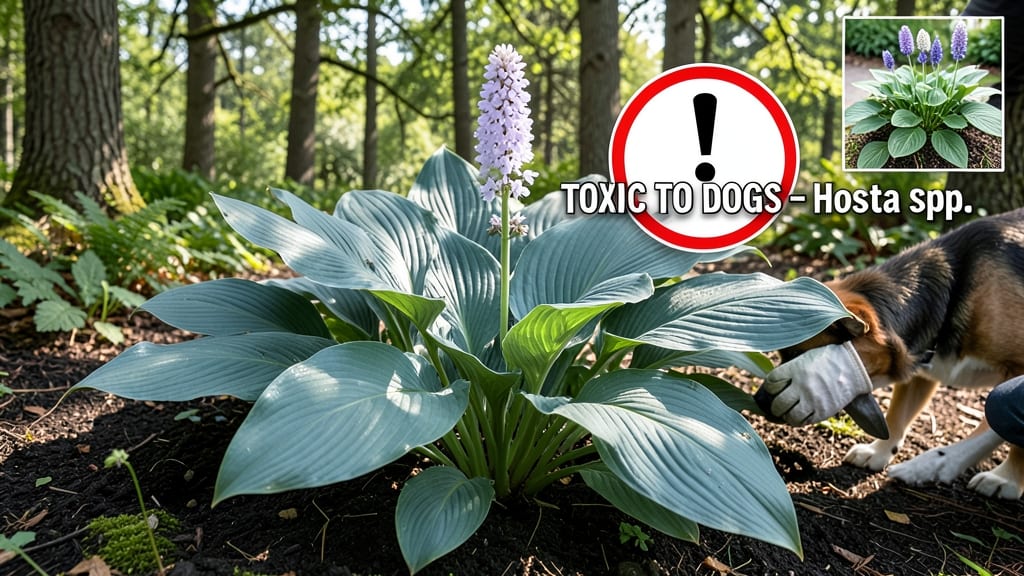
Hosta plant toxicity in dogs causes drooling, vomiting, and lethargy due to saponins and oxalates. Symptoms vary by ingestion amount, with severe cases requiring immediate veterinary care. Avoid keeping hostas in pet-friendly gardens.
Hostas contain saponins—bitter compounds that irritate a dog's mouth and digestive tract—and oxalates, which can cause kidney damage if consumed in large quantities. 🌿 The severity depends on what your dog eats: leaves are less toxic than roots, but even small amounts can trigger symptoms.
I’ve seen cases where curious pups nibbled on hosta leaves and ended up with drooling and stomach upset within hours. If you suspect your dog has ingested hosta, contact your vet immediately, especially if they show signs of weakness or diarrhea.
For pet owners, the good news is that many shade-loving plants are safe alternatives. Consider fern varieties like Boston ferns or heuchera, which thrive in similar conditions but won’t harm your furry friends.
Always research before planting—some popular garden plants, like lilies or azaleas, are just as dangerous as hostas.
💡 In This Article
- Toxic Compounds in Hostas and Their Effects on Dogs
- Pet-Safe Garden Alternatives to Hostas
Toxic compounds in hostas and their effects on dogs
Hostas contain two primary toxic compounds that affect dogs: saponins and oxalates. Saponins act like natural detergents, creating soapy foam in the mouth that triggers excessive drooling and irritation.
These compounds are found in higher concentrations in the roots (up to 5% dry weight) compared to leaves (1-2% dry weight), which explains why dogs that dig up hosta plants often show more severe symptoms.
The oxalates, meanwhile, bind with calcium in the body, potentially causing kidney damage or oral irritation when consumed in large quantities.
The severity of symptoms depends on both the plant part ingested and your dog's size. A 10-pound dog might experience mild drooling and vomiting after eating a few leaves, while a 60-pound dog could develop more serious issues like lethargy or diarrhea after consuming roots.
The ASPCA reports that hosta toxicity cases peak during spring and summer when dogs are more likely to encounter fresh growth. What's particularly concerning is that some dogs may not show symptoms for 6-12 hours after ingestion, making early detection challenging.
Dogs are especially vulnerable because their natural curiosity and lower body weight make them more susceptible to plant toxins. Unlike humans, dogs lack the enzymes to efficiently break down saponins, which means these compounds remain active longer in their digestive systems.
The irritation begins in the mouth—you might notice your dog pawing at their face or drooling excessively—before progressing to stomach upset. In severe cases, the oxalates can lead to calcium oxalate crystals forming in the kidneys, which requires immediate veterinary intervention.
Here's what happens chemically: when a dog ingests hosta, the saponins create a foamy saliva that irritates the oral mucosa, triggering the drooling response. Meanwhile, the oxalates bind with calcium in the saliva, forming sharp crystals that can cause physical irritation in the mouth and digestive tract.
This two-pronged attack explains why hosta toxicity often manifests as both immediate oral irritation and delayed gastrointestinal distress. The plant's bitter taste is actually a defense mechanism—it's nature's way of warning predators (including pets) to stay away.
What most pet owners don't realize is that hosta toxicity can vary dramatically based on the specific variety. For example, Hosta lancifolia contains higher saponin levels than Hosta sieboldiana, which means symptoms could be more severe with the former.
The variegated varieties (with white or yellow stripes) aren't necessarily safer—they often have similar toxin concentrations. This variability makes it crucial to treat all hostas as potentially dangerous to pets.
If you're concerned about your dog's exposure, consider this practical approach: train your dog to avoid digging near hosta plants, and create physical barriers if they're prone to garden exploration. The key is prevention—once symptoms appear, the damage is already being done to your pet's system.
Always keep the vet's number handy, as prompt action can make all the difference in cases of plant toxicity.